Licence No. 387609C
Choosing the right professional for electrical work is more important than most homeowners realise. Safety, efficiency and long-term system performance all depend on selecting the right person for the job. Many homeowners contact us here at Fraser Electrical because they’re unsure whether to hire a standard electrician or a level 2 electrician on the Central Coast. Making the wrong choice can cause delays or even violate local regulations. Understanding the distinction upfront gives you confidence and clarity when taking the next steps for your home or business.
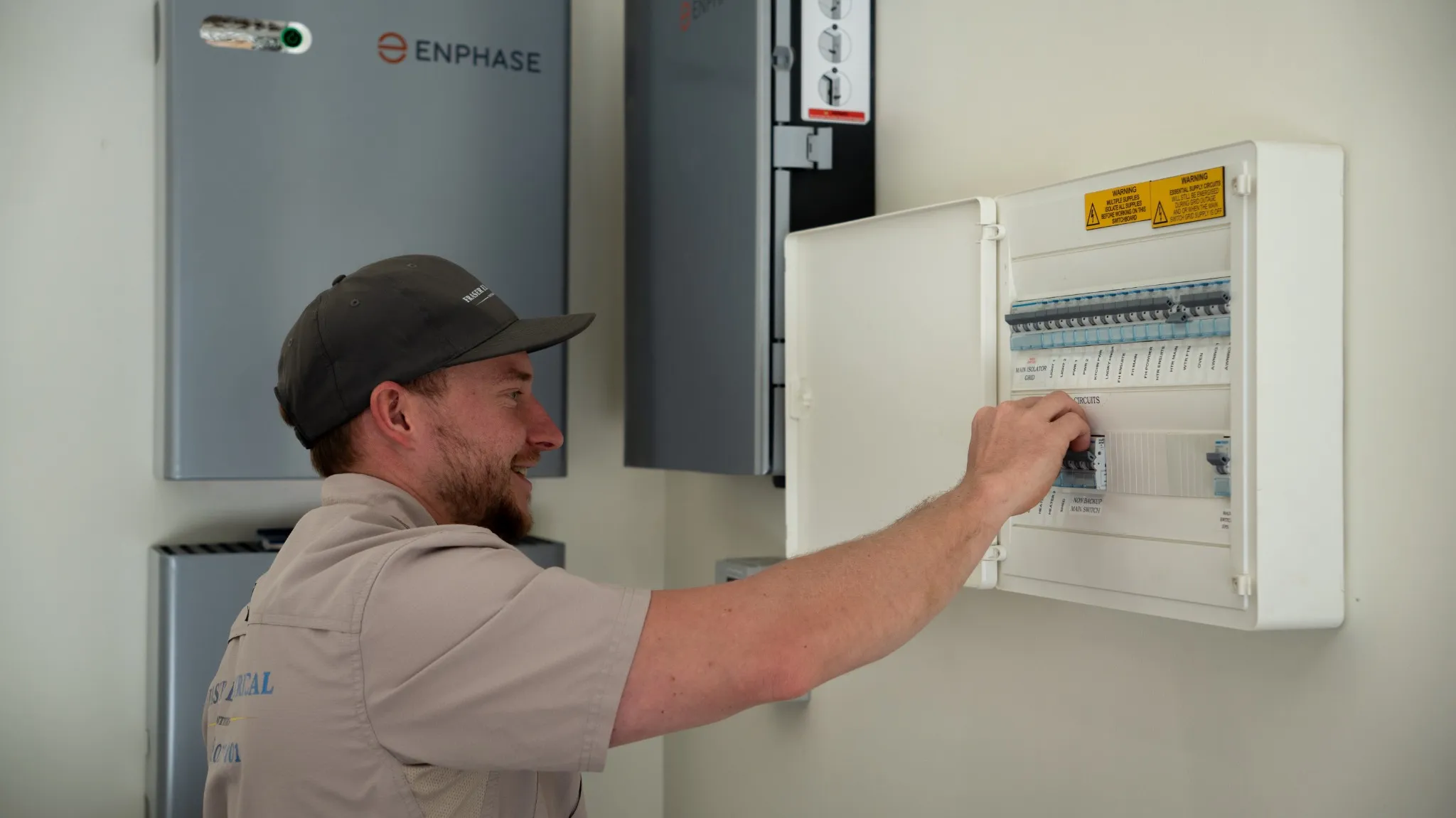
Because electrical systems are becoming more sophisticated and more tightly regulated, homeowners must understand what level 2 electricians actually bring to the table. These specialists operate under strict authorisations granted by energy authorities and can work on infrastructure that standard ones cannot access. Knowing these differences upfront helps you avoid delays, reduce risk and book the right electrician the first time.
To become a level 2 electrician, tradespeople undergo extensive training, specialised assessments and accreditation through approved government and energy networks. This means they are legally certified to handle complex electrical infrastructure directly connected to the power grid. Their qualifications typically include:
Level 2 electricians hold specialised authorisations that allow them to work on components directly connected to the electrical network, such as overhead lines, underground services and consumer mains. This becomes important when the problem sits outside your switchboard, an area many homeowners don’t realise requires special authorisation. They can handle tasks such as:
Because they deal with higher-risk infrastructure, they rely on advanced, specialised equipment designed to maintain safety and precision. These may include the following, as standard experts typically do not carry or require this level of tooling:
Beyond qualifications and equipment, these professionals excel at diagnosing complex faults that involve multiple connection points between homes, poles and distribution networks. Here is what they specialise in:
Some electrical jobs are simply too complex or too regulated for a standard electrician to complete. These projects involve direct connection to the network, potentially hazardous high-voltage conditions or specialised compliance requirements. Knowing which tasks fall into the level 2 category helps you avoid booking the wrong tradesperson and experiencing unnecessary delays.
When the power supply to a property needs to be connected, altered or removed, only a level 2 expert can perform this work. These services are critical when building, renovating or changing ownership. This ensures all work aligns with safety regulations and network rules. Here are some examples you can use as a reference:
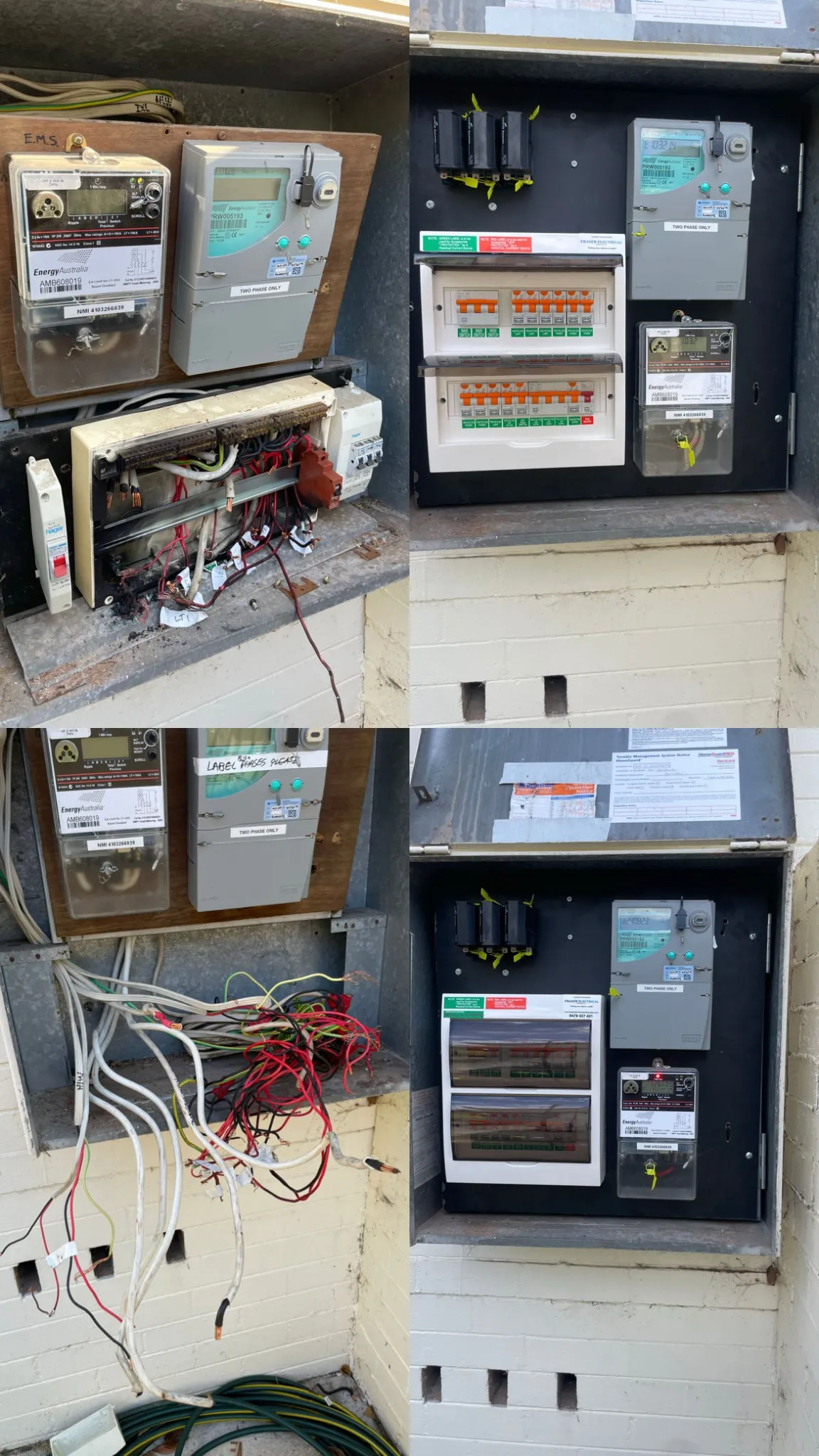
Metre upgrades require specific authorisations because they involve tampering with regulated infrastructure. Level 2 professionals are trained to safely modify, replace or install metres without breaching compliance standards. These upgrades often improve safety, reliability and energy efficiency. The following are some examples of how typical metre-related work:
Service cables link your home to the power network, meaning only level 2 can work on them. Damage to these lines can pose significant safety risks, especially after storms or accidents. Immediate repair by a proper and correct specialist is essential for safety and compliance. Typical scenarios involve:
Properties with private poles or supplementary overhead structures require specialised attention. Level 2 ensures these components meet structural and electrical safety standards. Some tasks fall far outside the scope of a standard electrician, and they can manage the following:
Hiring a level 2 authority is typically more expensive than that of a standard electrician due to authorisations, training and specialised equipment. However, this reflects the level of risk, responsibility and regulatory oversight required. Understanding the pricing structure helps you budget appropriately and ensures you're not caught off guard during urgent situations.
When comparing quotes, many immediately notice the price difference, but that exists for good reason. Level 2 work involves more responsibility, risk and regulatory oversight, requiring them to undergo ongoing training and maintain advanced authorisations. Their work directly interacts with the electrical network, meaning any mistake can affect not just one home but potentially multiple properties. Because of this, experts carry higher operating costs and stricter licensing conditions and must invest in specialised tools capable of handling high-voltage and hazardous environments. Cost factors include:
These professionals often work on live or energised parts of the network. They are trained to anticipate and control hazards that sit outside regular household wiring. This makes them the only appropriate choice when dealing with supply lines, consumer mains or equipment exposed to extreme conditions like storms or heavy winds. Hiring an underqualified person for these high-risk tasks increases the chances of dangerous outcomes, including fire, electrocution and major power failures.
Level 2 electrical work is subject to strict compliance obligations governed by energy authorities. Unlike routine electrical repairs, tasks must be documented, tested and verified according to network rules that ensure system integrity and public safety. These compliance processes involve administrative work, specialised reporting and often coordination with inspectors or network providers. While these steps add to the overall project, they also ensure the property owner is protected and the installation meets long-term safety requirements.
While services may initially seem more expensive, they often prevent far greater costs down the line. Trying to save money for a job that requires authorisation can lead to repeated faults, rejected inspections or damage to network infrastructure, each of which creates additional expenses. Level 2 experts ensure the work is done the first time, reducing the risk of future repairs, safety hazards or fines for non-compliant installation. By investing upfront in the right professional, property owners benefit from durable, reliable results that stand the test of time.
Electrical emergencies are stressful and potentially dangerous. During these moments, knowing whether you need a level 2 professional can save crucial time. Emergencies involving the network must be handled by authorised professionals, especially when public safety is at stake.
Not all power outages occur because of internal wiring problems. In many cases, the issue lies outside the home within the service lines, consumer mains or connections that link your property to the broader network. These are areas that have no authority to work. When your switchboard appears normal, yet your home remains without power, it’s often a sign of external infrastructure failure requiring proper expertise. These outages can stem from voltage fluctuations, burnt service cables, deteriorated mains or faults caused by weather or ageing equipment. Prompt diagnosis is essential to prevent extended downtime, protect appliances and ensure your property is reconnected safely.
Properties with private poles face unique risks during storms, heatwaves and high-wind events. Because these are the property owner's responsibility, any damage must be repaired quickly to prevent supply loss, structural hazards or further deterioration of the electrical infrastructure. Level 2 professionals are trained to manage these high-risk scenarios, assessing the pole’s condition, repairing or replacing damaged components and restoring safe power flow to the property. Their involvement is vital because private pole failures can interrupt service, create serious electrical hazards and lead to full structural collapse if left unaddressed.
Electrical work that involves the supply network is heavily regulated, and for good reason. This is why level 2 authorities play such an essential role in maintaining system integrity. They act as the link between homeowners, businesses and the governing energy authorities, ensuring every repair, upgrade or installation meets strict safety standards. Their work goes far beyond performing electrical tasks; it includes coordinating permits, lodging paperwork, adhering to network guidelines and ensuring every component of the supply connection is built according to approved standards. Without their involvement, property owners risk non-compliance, insurance complications and unsafe electrical conditions.
Documentation is not just a formality; it is essential for insurance claims, property sales, future electrical upgrades and proving that the installation meets requirements. After completing the job, professionals prepare and submit the necessary certificates and reports, which serve as official records of the work carried out. These documents ensure traceability, protect the homeowner’s liability and help maintain a clear electrical history for the property. Documentation may include:
Many projects, especially those involving metering, supply alterations or private pole work, require review by third-party inspectors or safety officers. This ensures everything meets strict technical standards before the system is energised or reconnected to the grid. They take the lead in coordinating these inspections, ensuring the site is ready, safety protocols are met and all documentation is available. They also address any concerns raised by inspectors and make any technical adjustments required for approval. Their ability to communicate clearly with regulatory staff and navigate compliance requirements ensures the entire process remains smooth, safe and fully compliant from start to finish. Some of their responsibilities are:
Choosing between a standard electrician and a level 2 one isn’t just a matter of cost; it’s a matter of safety, compliance and long-term reliability. As electrical systems across the Central Coast grow more advanced and more tightly regulated, homeowners and businesses need the right expertise for the right job. At Fraser Electrical, we regularly see the consequences of calling the wrong type first: delayed repairs, repeat faults, unnecessary expenses and, in some cases, unsafe work that violates network rules. If you’re unsure who your project needs, we’re here to help.

