Licence No. 387609C
Modern Australian businesses rely on electrical systems that can keep up with higher energy demands and fast-moving technology. As workplaces grow and adopt new tools, older electrical setups often struggle to keep pace, which can affect safety, performance and day-to-day operations. At Fraser Electrical, we support business owners as a trusted commercial electrician in Central Coast, helping them upgrade their systems so they can reduce risks, lower running costs and create work environments that are ready for the future. Understanding which upgrades make the biggest impact allows businesses to make confident decisions about their electrical needs.
_converted.webp)
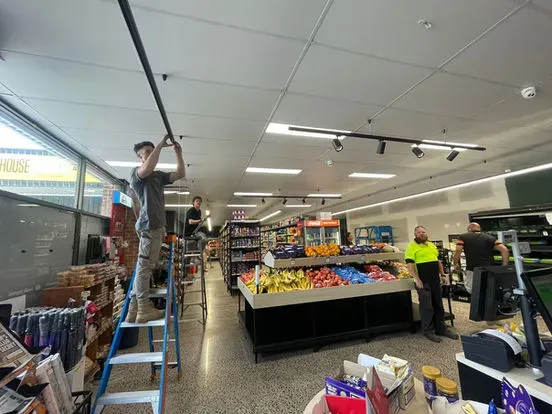
Lighting is one of the simplest places to start when improving energy efficiency. It has an immediate effect on operating costs and directly influences comfort and visibility throughout the building.
LED lighting has become the standard across commercial buildings for a reason. It delivers bright, consistent illumination while using far less energy than older lighting technologies. Most businesses also notice the reduced maintenance almost straight away because LEDs last significantly longer and do not need constant replacement. They also generate less heat, which helps keep indoor temperatures stable and reduces pressure on cooling systems.
Lighting sensors are another small upgrade that makes a noticeable difference. Motion sensors in hallways, bathrooms and meeting rooms stop lights from being left on long after people have left. Daylight sensors adjust brightness based on available sunlight, which keeps light levels comfortable without wasting power.
These upgrades often lead to:
Together these improvements create a more efficient and comfortable workspace.
Smart scheduling gives businesses full control over when lights operate. By setting up automatic on and off times, lighting becomes more predictable and consistent. For example, exterior lights can switch on at dusk and turn off after the last team member leaves. Meeting room lights can dim or switch off automatically once the room is empty.
These small changes prevent lights from running unnecessarily and help teams focus on their work rather than monitoring switches.
With electric vehicle use continuing to rise across Australia, more businesses are choosing to install charging stations for staff and fleet vehicles. Planning these upgrades properly ensures the chargers work reliably without overwhelming the building’s electrical system.
Before installation it is important to understand how much additional load the chargers will place on the system. A detailed load assessment helps you determine how many chargers the building can support and whether upgrades to the switchboard or main supply are required.
Business owners should think about:
A proper assessment helps prevent overloaded circuits and sets the groundwork for long-term expansion.
When installation is planned carefully, EV chargers can be added with little to no disruption. Chargers should be placed where vehicles can park easily without blocking customer access or delivery areas. Many businesses choose to install chargers during quieter hours or in stages, which avoids interrupting daily activity.
Load management systems also help by distributing power between chargers based on demand. This prevents the system from being strained and ensures vehicles receive the energy they need without affecting other essential equipment.
Electrical compliance is a critical part of running a safe commercial space. Australian standards are strict for good reason, and keeping up with them helps protect staff, customers and property.
All commercial electrical work must comply with the AS/NZS 3000 Wiring Rules. These rules outline how circuits should be protected, how cables should be sized and how switchboards and earthing systems must be designed. Following these standards reduces the chance of electrical faults, fires and equipment issues. It also ensures any new installation remains safe when future upgrades are made.
Electrical audits reveal issues that may not be obvious during daily operation. During an audit, an electrician checks wiring switchboards, safety switches, emergency lighting and circuit loads to ensure everything remains safe and compliant. They also identify older components that may need upgrading before they fail.
Audits can uncover:
Routine audits help businesses avoid unexpected downtime and plan upgrades more effectively.
Modern businesses rely heavily on strong digital infrastructure. Whether it is cloud software security systems or everyday communication tools, a reliable network keeps everything running smoothly.
Structured cabling acts as the backbone of a commercial network. It helps maintain strong data speeds, reduces interference and keeps communication tools such as VoIP and CCTV operating reliably. A well-organised cabling system also makes maintenance quicker because cables are labelled and arranged in a clear layout.
This structure also gives businesses more flexibility. When offices grow or workspaces are rearranged the cabling system can support changes without needing major rewiring.
IoT technology and smart systems continue to transform commercial spaces. Automated temperature control, for example, helps maintain comfortable conditions while avoiding unnecessary energy use. Smart access systems provide controlled entry and simplify security management. Energy monitoring devices show exactly where power is being used which helps businesses identify opportunities for improvement.
Common smart features include:
These systems work together to create a workspace that is efficient, secure and comfortable for everyone.
Electrical interruptions can cause major disruptions, especially in workplaces that rely heavily on technology. Investing in protective systems helps safeguard equipment and maintain business continuity.
Australia’s storms and grid fluctuations make surge protection a valuable safeguard. Installing surge protection at the main switchboard shields computers, servers and sensitive equipment from sudden voltage spikes. UPS systems keep critical devices online during short power interruption, which prevents data loss or equipment damage. For larger operations backup generators can maintain essential services during extended outages.
Automatic transfer switches allow buildings to switch to backup power instantly, which keeps essential systems running when the mains supply fails.
Preventive maintenance is essential for ensuring electrical systems operate safely and reliably. Regular tasks such as thermal imaging of switchboards, inspection of cabling safety switch testing and checking emergency lighting help identify problems early.
A consistent maintenance schedule not only prevents unexpected failures but also extends the lifespan of electrical equipment, which saves businesses money over time.
Electrical upgrades are an investment that improves safety, efficiency and long-term performance in any commercial space. Whether it is upgrading lighting, installing EV charging, improving network cabling, ensuring compliance or scheduling regular maintenance, each step helps create a safer and more productive workplace. At Fraser Electrical, we work with Australian businesses to deliver electrical solutions that support growth and keep operations running smoothly.

