Licence No. 387609C
Electrical emergencies often strike without warning, instantly disrupting comfort, safety and routine inside your home. Whether caused by severe storms, overloaded circuits, ageing wiring or unexpected faults in the power network, a sudden outage can create confusion and risk if you’re unprepared. At Fraser Electrical, your trusted emergency electrician in Central Coast, we’ve seen how quickly a minor issue can escalate when households don’t have a plan in place. This guide walks you through the essential steps every homeowner should take to stay safe, organised and confident when the power goes out.
Electrical emergencies may feel random, but in most cases, they stem from predictable patterns, environmental pressures or weaknesses within the home’s electrical system. By understanding the root causes, homeowners gain the ability to prevent hazards before they escalate, recognise early warning signs and respond more confidently when the power suddenly fails.
Severe weather remains one of the most frequent and destructive causes of electrical emergencies, especially in areas prone to seasonal storms or heavy rainfall. Even when the storm doesn’t hit your property directly, lightning strikes, soil saturation, wind damage and high humidity can lead to surges, short circuits and power interruptions that threaten your electrical safety.
Poorly designed circuits, limited power capacity or outdated switchboards often become overwhelmed, causing circuit breakers to trip repeatedly, or worse, allowing hidden overloads that overheat wiring.
Like any system, electrical components deteriorate, especially in older homes where the wiring may be decades old. When older parts and equipment operate under modern loads, the risk of short circuits, overheating and sudden power failure increases dramatically.
A well-prepared household experiences far less chaos and uncertainty during a blackout or electrical emergency. Instead of scrambling to find supplies, figuring out what went wrong or determining who should help whom, a plan gives your family a clear roadmap to follow. Developing an electrical emergency plan ensures every family member knows what to do, where to go, what tools to use and who to contact the moment an outage occurs.
During emergencies, even small moments of hesitation can increase risk. When everyone knows their role, the household can move quickly, confidently and safely. This is important in homes with young children or elderly relatives who may need assistance navigating in low light or during stressful moments.
When the power fails, your home can quickly become difficult to navigate. Hallways turn dark, staircases become risky and cluttered spaces become hazards. If the emergency involves smoke, sparks or burning smells, moving swiftly and safely becomes even more important. Mapping out clear exit and access routes ensures every family member knows exactly which paths are safest and easiest to use.
Power failures often disrupt modern communication tools that rely on Wi-Fi, chargers and functioning mobile towers. Having multiple communication methods ensures you can reach emergency services, electrical technicians and family members even if your primary devices fail. By establishing a communication protocol, you prevent confusion, ensure everyone stays updated and avoid situations where family members are isolated during an emergency.
One of the most crucial yet often overlooked parts of an electrical emergency plan is making sure everyone in the household knows how to safely shut off power when necessary. In situations involving burning smells, sparking outlets, water leaks near electrical components or appliance malfunctions, shutting off the electricity can prevent severe injuries, fires or further damage.
Preparing a home emergency kit ensures you aren’t scrambling for supplies when the power suddenly cuts out. Whether the outage lasts minutes or extends into several hours, the right tools and essentials make it easier to stay safe, comfortable and informed.
When the lights go out, navigating your home safely becomes an immediate priority. Reliable lighting is one of the most fundamental needs during a blackout because it prevents accidents, allows you to inspect your switchboard and helps you avoid hazards such as wet areas or damaged appliances. Backup power sources also support essential electronics that may be crucial during longer outages.
Minor injuries may occur if the situation escalates. Having first-aid and fire safety equipment ready ensures you can respond immediately, stabilise the situation and protect your home while waiting for professional help. These items not only mitigate harm but also give you confidence to take quick, safe action during unexpected hazards.
Power outages can last longer than expected, especially during severe weather, grid failures or major equipment faults. Ensuring your family remains comfortable and safe helps reduce anxiety and keeps everyone calm while waiting for electricity to be restored. From basic necessities like drinking water to comfort items such as blankets and fans, these supplies support physical needs and peace of mind during extended emergencies.
When the power goes out, or when you notice sparks, burning smells or unexpected electrical behaviour, your actions in the first few minutes play a role in protecting your home and the people inside it. A calm, structured response helps prevent injuries, reduces equipment damage and stops small electrical issues from escalating into larger hazards.
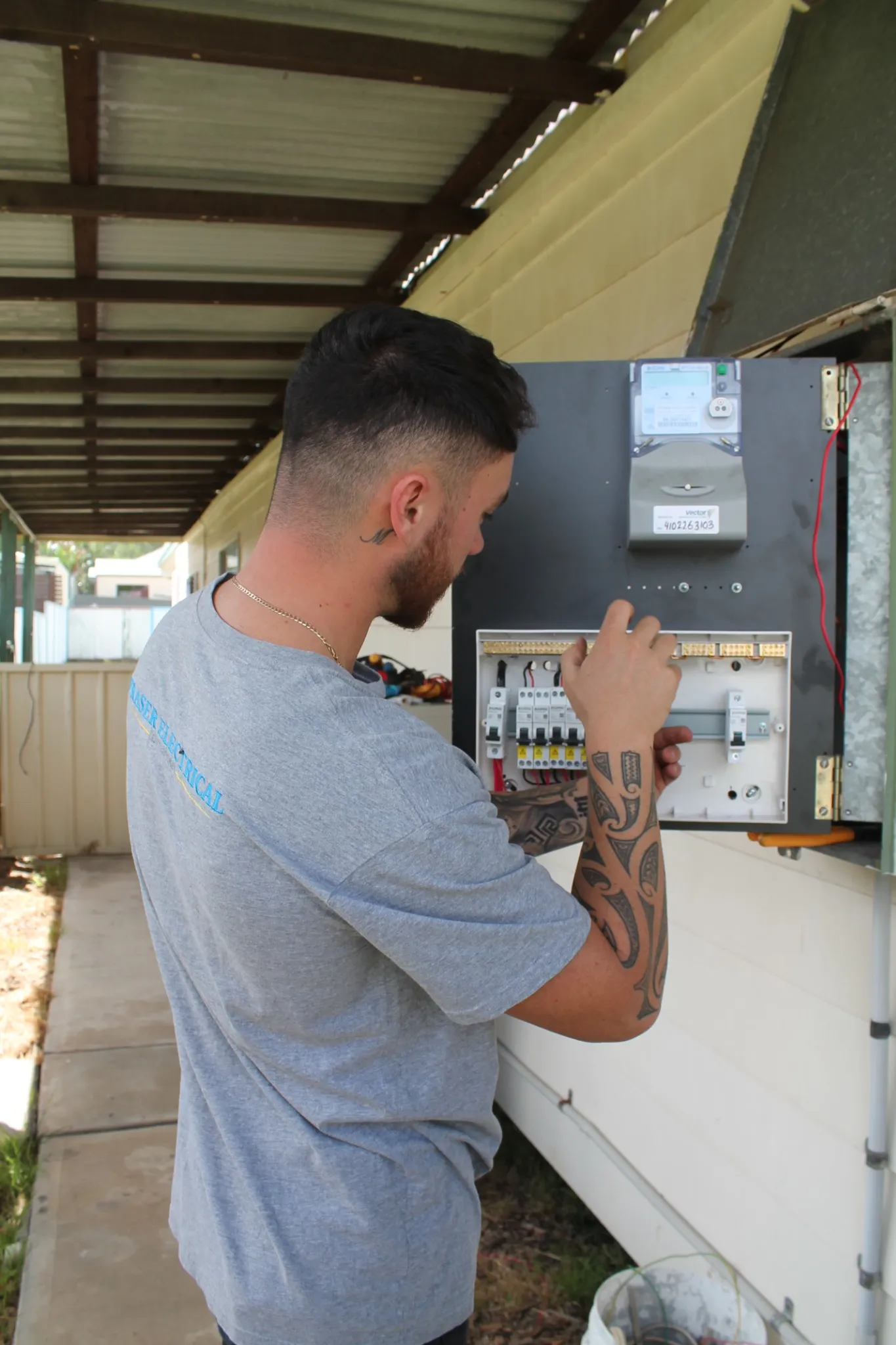
Your switchboard acts as the central hub of your home’s entire electrical system. When something goes wrong, the switchboard is often where you’ll see the first signs of trouble. Inspecting the board safely allows you to determine whether the issue is isolated to a particular circuit or part of a much larger fault. This step helps you understand the cause of the outage and decide whether it’s safe to reset the power or whether professional help is needed.
Unplugging major appliances not only protects them but also reduces the load on your electrical system when power returns. This small step can prevent costly replacements, reduce fire risk and ensure your home’s electrical demand doesn’t overwhelm a fragile system recovering from a fault.
Electrical emergencies become especially dangerous when water or damaged wiring is involved. Contact between electricity and moisture can lead to severe shocks, while exposed wiring can spark, arc or ignite surrounding materials. Staying clear of these hazards is essential until a qualified electrician can inspect and secure the area. Acting cautiously minimises the risk of electrocution and helps protect everyone in your home.
Live wires and water are two of the most hazardous elements during an electrical emergency, and even indirect contact can be fatal. Understanding how to identify these hazards and how to behave around them is essential for protecting your household. Whether a storm has knocked down lines in your yard or a burst pipe has affected your electrical system indoors, following strict safety precautions will help keep everyone out of harm’s way.
Sometimes, staying inside your home during an electrical emergency is simply not safe. Knowing when to evacuate protects you from risks such as electrical fires, smoke inhalation, severe flooding or structural hazards. It’s critical to recognise escalation signs early and act decisively. Professional help should be contacted as soon as the situation exceeds what is safe for a homeowner to manage.
Electrical emergencies can often be prevented with a proactive approach to maintenance, regular inspections and safe household habits. By taking preventive measures, you not only protect your family from dangerous situations but also improve the reliability, efficiency and longevity of your home’s electrical system. Investing in regular care today saves time, money and stress in the long run while keeping your home and everyone inside it safe.
Routine inspections by a licensed electrician are one of the most effective ways to catch hidden electrical problems before they become emergencies. These inspections help uncover early signs of deterioration, outdated wiring, overloaded systems or safety devices that are no longer functioning properly. A trained technician can assess areas of your electrical system that homeowners typically cannot inspect safely, ensuring your home remains compliant with modern standards and able to handle everyday electrical demand.
Modern switchboards respond faster, provide greater fault detection and include built-in safety features designed to protect people and appliances. Upgrading outdated components ensures your home can manage today’s electrical demands safely and efficiently.
Even with a modern switchboard and regular inspections, everyday habits help prevent electrical emergencies. Many risks develop slowly through repeated misuse of outlets, improper appliance handling or ignoring early warning signs. By teaching your household simple, consistent safety habits, you reduce the chance of fires, shocks or equipment failures.
Electrical emergencies can be unpredictable, but your response doesn’t have to be. With the right preparation, equipment and guidance, your household can stay safe, calm and organised during any power outage. By partnering with experts like us here at Fraser Electrical, you gain access to professional support that ensures your home remains protected before, during and after electrical disruptions. A proactive approach today can prevent dangerous and costly emergencies tomorrow, keeping your home and family safe.

