Licence No. 387609C
Electricity usually works quietly in the background of homes and businesses across the Central Coast. When it doesn’t, even a small fault can move quickly from inconvenience to serious risk. What starts as a buzzing outlet, flickering lights or a safety switch that trips occasionally can signal a developing issue that should never be ignored.
Through regular call-outs across the region, Fraser Electrical has seen how often early warning signs are dismissed until the situation escalates. This guide explains when an electrical problem crosses the line from nuisance to emergency, the warning signs that demand urgent action and the immediate steps property owners should take to reduce the risk of fire or electric shock. It also outlines why engaging a licensed emergency electrician in Central Coast is critical when safety is at stake.
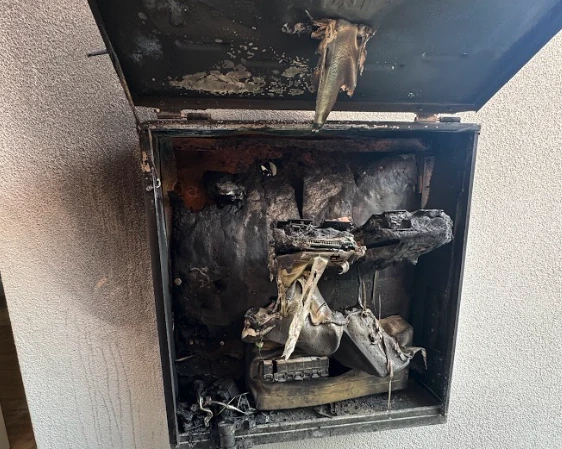
Not every electrical issue requires immediate call-out. A single blown globe or an occasional overload from running too many appliances on one circuit is usually straightforward. An emergency begins when there is a credible and immediate risk of fire, electric shock or serious damage to wiring and connected equipment.
Across the Central Coast, Fraser Electrical often sees faults that start as minor irritations before progressing into hazardous conditions. Coastal air, moisture, ageing switchboards and increased electrical demand all contribute to deterioration over time. A breaker that once tripped occasionally may begin tripping repeatedly. An outlet that felt slightly warm may start showing signs of heat stress or discolouration. When patterns change or symptoms escalate, the situation should no longer be treated as routine.
An electrical fault has crossed into emergency territory when:
At that point, the focus shifts from monitoring the issue to making the property safe. Delaying action increases the likelihood of overheating, insulation failure or fire developing behind walls or within the switchboard.
Certain electrical symptoms indicate active faults that can escalate rapidly. These signs point to overheating, insulation breakdown, loose connections, short circuits or earthing failures. When any of the following occur, the situation should be treated as urgent.
A persistent burning smell with no obvious source is one of the strongest indicators of electrical danger. The smell may come from a power point, light fitting, switchboard, appliance or from within a wall cavity. It is often described as melting plastic or hot insulation.
Outlets or switches that feel warm to the touch, appear discoloured or show signs of melting suggest overheating connections. Scorch marks, smoke staining or cracking around fittings are late-stage warning signs. These conditions can quickly progress to ignition if power remains on.
Safety switches and circuit breakers are designed to trip when a fault is detected. An occasional trip due to overload is not uncommon. However, repeated tripping on the same circuit, breakers that will not reset or circuits that trip immediately again after being switched back on indicate a deeper problem.
Visible sparks, especially large or repeated sparks when plugging in appliances or operating switches, are a clear red flag. Sparking at the switchboard or meter box should always be treated as an emergency, as it may indicate arcing or loose high-current connections.
Any electric shock, even a mild tingling sensation, must be taken seriously. This includes shocks from taps, appliances or power points. In coastal environments, deteriorating earthing systems can contribute to stray voltage issues that require urgent investigation.
Widespread flickering lights, sudden dimming across multiple rooms or unexplained partial power loss may indicate loose switchboard connections or supply irregularities. If power cannot be safely restored or symptoms worsen quickly, immediate professional assessment is required.
Some electrical hazards are too dangerous to investigate or attempt to isolate without professional equipment and training. In these cases, the priority is to keep people clear and contact the appropriate authorities.
If wiring has been exposed due to storm damage, fallen ceilings, renovation work or physical impact, it must be assumed to be live. Even if power appears to be off, damaged conductors can remain energised or become live again unexpectedly. No attempt should be made to touch or secure loose cables.
Water significantly increases electrical danger. Flooded floors, water pooling near the switchboard or ceiling leaks dripping through light fittings create a high risk of electric shock. If isolation of the main switch requires stepping into water or contacting damp surfaces, it should not be attempted. The safest response is to evacuate the affected area and arrange urgent professional assistance.
Fallen power lines on or near a property must always be treated as live. Stay well clear and contact the local supply authority or emergency services immediately. No electrician should approach until the network provider has declared the area safe.
In these circumstances, personal safety must always come before restoring power or diagnosing the fault.
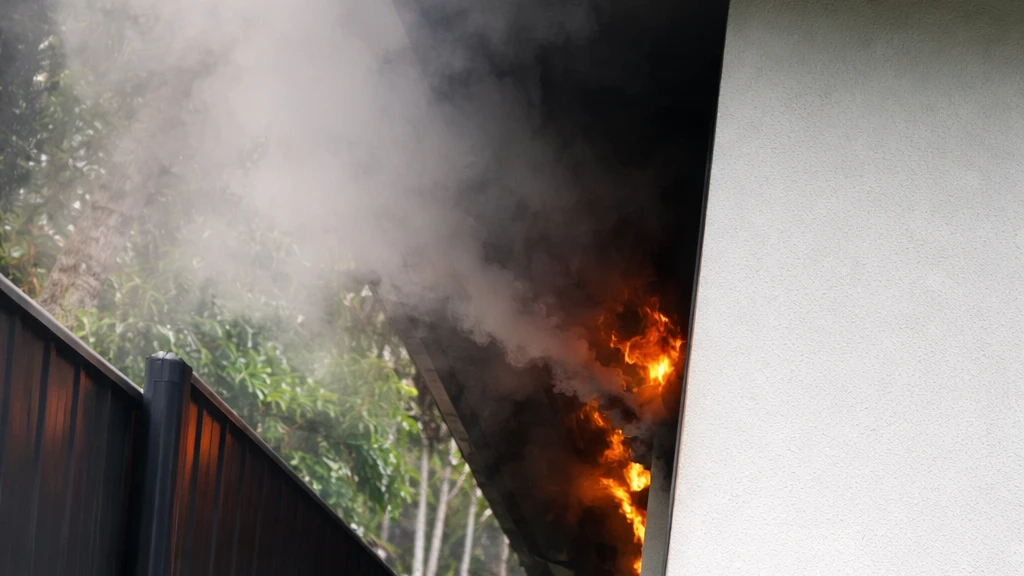
When an electrical fault becomes an emergency, the priority is to protect people first and equipment second. Acting quickly and calmly can significantly reduce the risk of injury or fire spreading.
If there is smoke, visible arcing or a strong burning smell, everyone should move away from the affected area immediately. No one should touch appliances, exposed wiring, metal surfaces or the switchboard if there is any doubt about safety.
If a person is receiving an electric shock, do not touch them directly. If it is safe to do so, turn off power at the main switchboard. If the switchboard cannot be safely accessed, call Triple Zero (000) immediately and keep others clear of the area. Once power is isolated, seek medical assistance even if the shock appears minor.
Where water is present, stay clear of the area entirely until power has been professionally confirmed as isolated.
If there is no immediate threat to life and the switchboard can be accessed safely:
Do not repeatedly reset a breaker or safety switch that continues to trip. Persistent resetting can worsen internal damage or increase overheating behind walls.
If there are flames, smoke, significant arcing or injury, contact emergency services first.
Once the immediate danger is controlled, arrange urgent attendance from a licensed emergency electrician. If the issue involves damaged supply lines or external network infrastructure, the local electricity distributor should also be notified.
In all cases, the property should remain isolated until the fault has been professionally assessed and declared safe.
When an electrical fault becomes an emergency, the risk is immediate and technical. Fire, electric shock and equipment damage can develop quickly and incorrect handling can make the situation significantly worse. In these situations, a licensed emergency electrician is necessary not for convenience, but for safety.
Emergency electrical work requires specialised training, calibrated testing equipment and a clear understanding of current Australian Standards. Identifying insulation breakdown, loose terminations, failed protective devices or earthing faults cannot be done safely without proper diagnostic procedures. What appears to be a simple issue at the switchboard may involve concealed damage within wall cavities or wiring systems.
In many cases, the first objective is not restoring power but making the installation electrically safe. Circuits may need to be isolated and tested before being returned to service. Damaged components must be replaced correctly and protective devices verified to ensure they operate as intended under fault conditions.
Through emergency call-outs across the Central Coast, Fraser Electrical has seen how quickly minor symptoms can escalate when faults are repeatedly reset or temporarily patched. Professional intervention ensures the root cause is identified, the installation is stabilised and the risk of repeat failure or fire is reduced.
Electrical emergencies are not situations where trial and error is appropriate. Proper diagnosis, isolation and compliance are essential to protect both occupants and property.
Recognising when an electrical issue has crossed the line from inconvenience to emergency is essential for protecting people and property. Heat, burning smells, repeated tripping that will not reset, visible sparking, electric shocks or unexplained power loss are not faults to monitor over time. They are indicators that the installation may no longer be operating safely.
The correct response is always safety first. Move people clear of danger, isolate power if it can be done safely and contact emergency services where required. Avoid touching exposed wiring or attempting temporary repairs, particularly where water or visible damage is involved.
Electrical systems are complex and faults can develop behind walls or within switchboards without obvious warning. Prompt professional assessment ensures the installation is properly tested, stabilised and returned to service in compliance with current safety requirements. Acting early significantly reduces the risk of fire, injury and further damage.

