Licence No. 387609C
Creating a safe workspace in the Central Coast area starts with understanding how electrical systems affect the way a business operates every day. Many owners focus on appearance or customer experience but overlook the hidden risks that poor systems or outdated setups can bring. By staying aware of the signs and recognising the importance of regular upkeep with assistance from a commercial electrician in Central Coast, safety can be strengthened without disrupting operations. Our team at Fraser Electrical focuses on supporting businesses through practical steps that help keep their systems reliable and easy to manage.
Many local workplaces deal with high daily usage, which means even the smallest issue can quickly turn into something much bigger. Loads change as a business grows, and without proper planning equipment can work harder than it should. Staff may not always see early warning signs since many problems start behind walls or inside switchboards. With the right approach, owners can take control of safety planning and stay confident that their workplace is ready to handle both daily demands and unexpected situations.
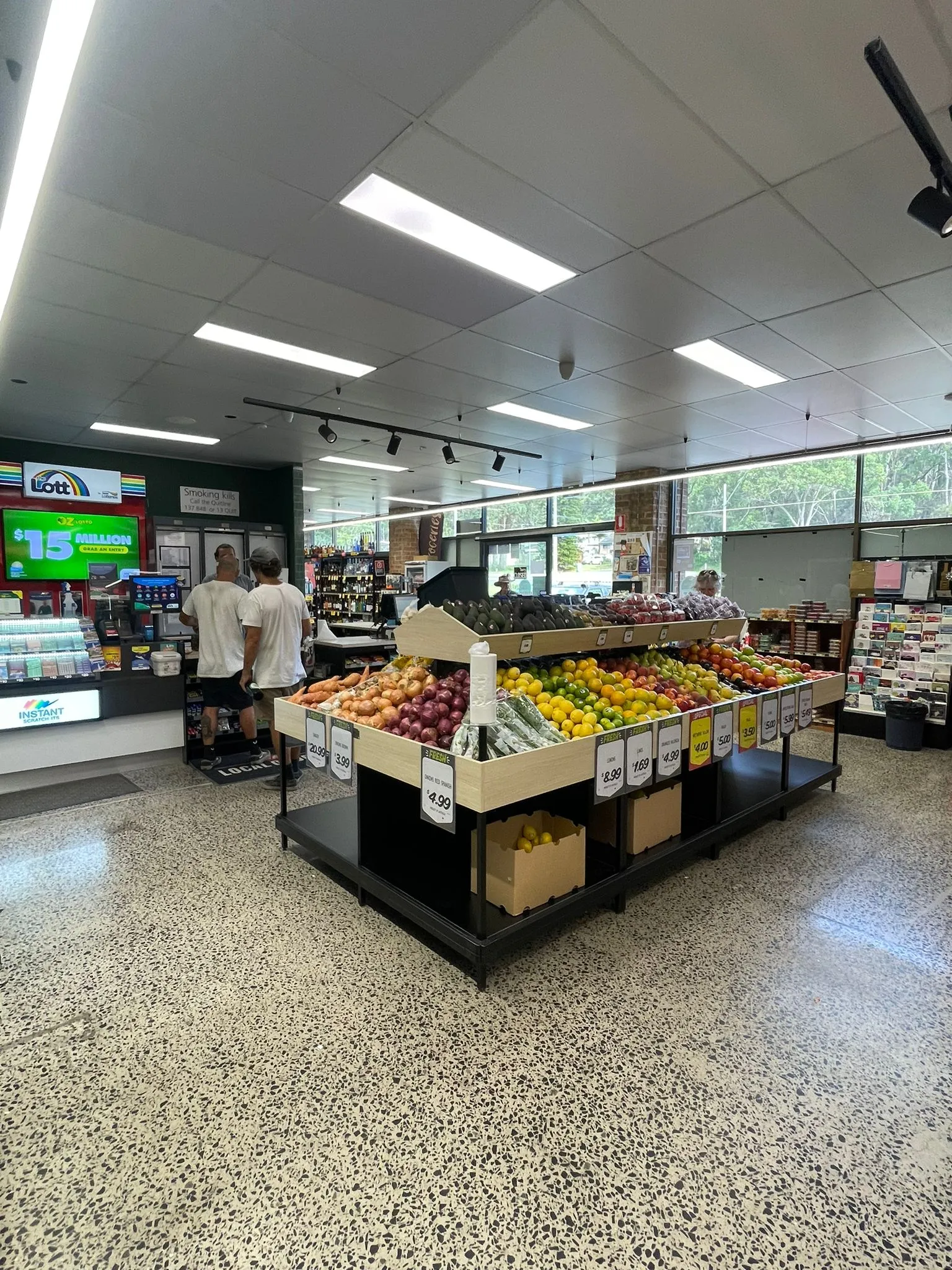
A safe workspace relies on knowing where the most common risks are and how they develop over time. Many risks cannot be seen at first, which is why early assessment is important for preventing disruptions and costly downtime. Businesses that understand how systems behave under pressure can react before small issues turn serious. Clear planning also helps employees feel safe, which encourages better productivity and fewer interruptions.
Many businesses keep adding equipment as they grow, which can slowly push systems beyond what they were designed to handle. When circuits carry more power than intended, they heat up and create hidden dangers that may stay unnoticed until a failure occurs. By monitoring usage and adjusting layouts before problems arise, owners can stop unnecessary strain on their systems.
Wiring hidden behind walls often deteriorates over time, especially in older buildings or in spaces that have been renovated many times. Changes made without following proper standards can leave weak spots that turn into hazards later. Regular inspections help uncover faults early so they can be repaired without affecting daily operations.
Moisture can affect electrical components even in places that seem dry on the surface. Condensation from air conditioning systems or changes in temperature can lead to corrosion over time. When parts begin to rust, they lose their ability to carry current safely and make failures more likely.
Meeting legal standards is an essential responsibility for every business because electrical issues can lead to penalties and unsafe working conditions. Regular checks ensure systems meet current rules and help owners avoid unexpected shutdowns or costly repairs. Staying compliant also builds trust with staff and customers since they know the environment is maintained to a high standard. By staying consistent with inspections, businesses can plan budgets more accurately and reduce the risk of sudden failures.
Routine inspections give owners a clear understanding of how their systems are performing and whether upgrades are needed. Professional checks identify weak points early so repairs can be scheduled without interrupting operations. When inspections are consistent, businesses avoid long-term damage that often comes from overlooked faults.
Regulations exist to make sure workplaces stay safe for everyone, and understanding these rules helps businesses create stable and long-lasting electrical systems. Keeping up to date with changes allows owners to make informed decisions when planning upgrades. By following the right standards, businesses avoid potential fines and maintain smooth everyday operations.
Safety devices must stay in good working order because they act as the first line of defence during faults. These devices prevent serious incidents by cutting power before damage can spread. Regular updates make sure they can handle the electrical demands of modern workplaces.
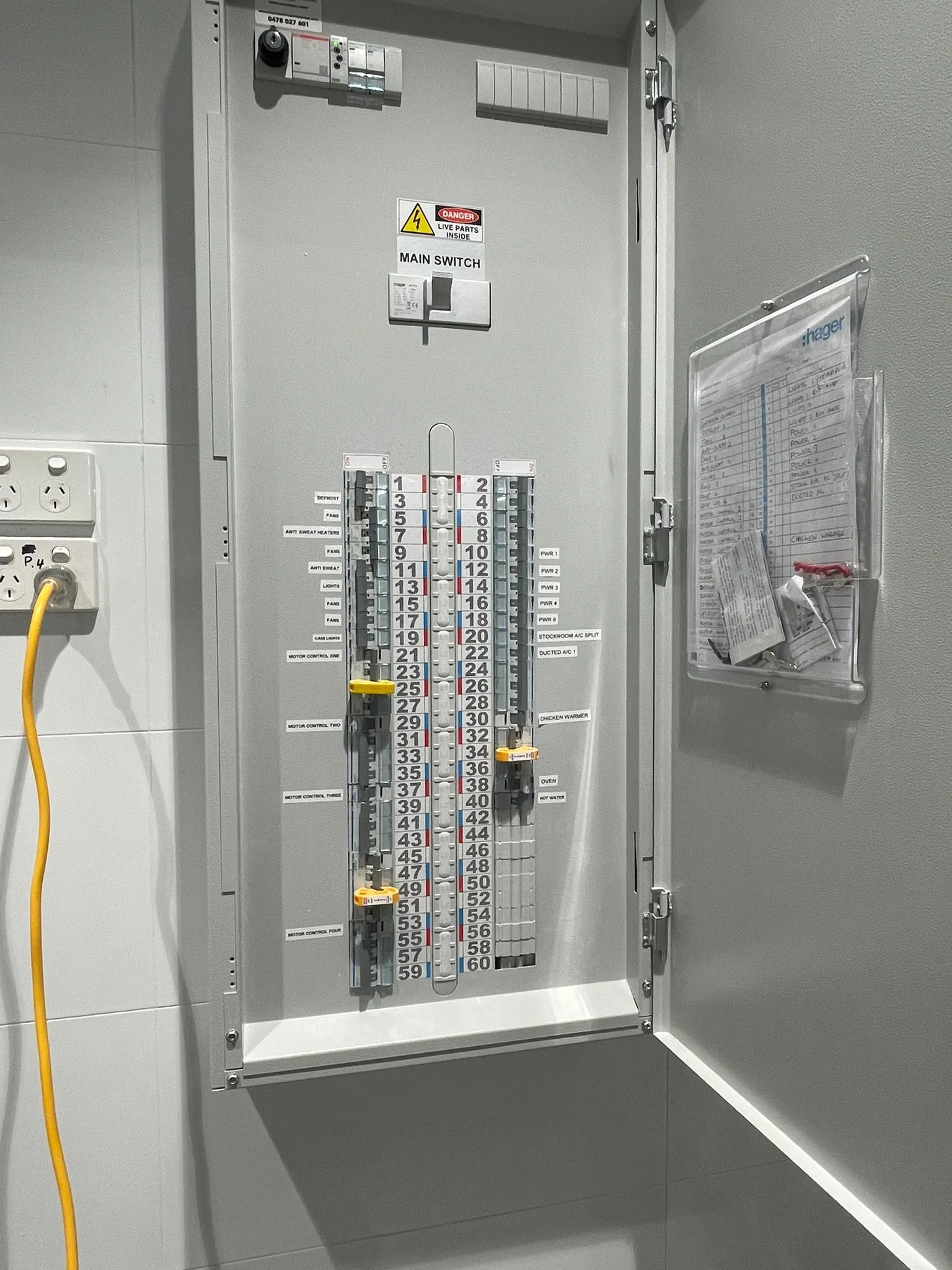
Good layout planning helps create a workspace that is efficient and easy to use. Thoughtful placement of outlets and equipment supports smooth daily routines and reduces the risk of overload. Proper layouts also allow businesses to grow without putting extra strain on existing systems. With smart planning, owners avoid costly adjustments later and create a setup that stays reliable for years.
Balancing circuits helps prevent pressure on equipment and reduces the chance of overheating. A well-planned layout spreads out power usage so no single area carries too much load. This makes the workplace safer and reduces wear on appliances.
Strategic outlet placement helps staff work safely without relying on extension cords or unsafe adaptors. When outlets are placed where they are needed most, the risk of trip hazards and overload is reduced. This creates a more organised and efficient environment.
Lighting plays a major role in workplace comfort and safety, and its electrical demands must be considered during planning. Good lighting setups use energy wisely and reduce strain on the system. When matched correctly to the building layout, businesses gain better visibility and lower power costs.
A strong emergency plan protects the business from disruptions during unforeseen events. By preparing early, owners reduce risks and build confidence among staff. Quick response strategies also limit damage and help operations return to normal faster. Planning ahead ensures everyone knows what to do when something goes wrong, which keeps people safe and minimises downtime.
Clear instructions help staff react calmly when electrical issues arise. A good plan outlines the steps needed to protect people and equipment during emergencies. When everyone knows their role, the business can respond quickly and safely.
Some areas of a workplace face greater risk than others due to their layout or equipment. Understanding these zones helps businesses focus attention where it matters most. By monitoring them closely, owners prevent faults from spreading or escalating.
Training prepares employees to handle issues calmly and safely. When staff know what to look for, they can react early before small concerns become serious. Good training also reduces stress during emergencies.
Energy efficiency supports both safety and long-term budgeting for businesses. When systems run smoothly, they last longer and cost less to maintain. Upgrades and small changes can significantly reduce consumption while improving performance. By focusing on efficiency, owners build a safer environment and lower operational expenses over time.
Modern appliances use less energy and handle power more effectively. They reduce strain on circuits and help businesses manage costs without sacrificing performance. Choosing efficient equipment is a practical way to improve safety and savings.
Simple habits can make a big difference in energy use. Encouraging staff to follow consistent routines helps extend equipment life and reduce power bills. These practices are easy to adopt and benefit the whole workplace.
Keeping track of energy use helps owners understand where improvements can be made. Monitoring reveals patterns that highlight inefficiencies or hidden problems. With this information businesses can make informed decisions about upgrades or adjustments.
Safety planning gives businesses the confidence to operate smoothly without worrying about hidden electrical risks. By focusing on prevention, owners protect their staff and equipment from unexpected issues. Careful design with reliable systems and consistent training all work together to create a stable workplace that supports business goals.
As systems evolve, it becomes even more important to maintain safe layouts, keep equipment updated and follow legal standards that protect everyone on-site. With the right approach and continuous awareness, owners can prevent costly disruptions and keep their operations steady. Fraser Electrical is committed to supporting businesses through reliable safety planning and practical solutions that help workplaces stay secure for the long term.

