Licence No. 387609C
Older homes on the Central Coast can look solid on the surface, but the electrical system behind the walls often tells a different story. Flickering lights, warm power points, frequent tripping and outdated switchboards are easy to brush off as “normal”, yet they’re often early signs that your wiring and protection devices are no longer keeping up with modern household demand.
This article breaks down the most common warning signs, the safety risks hidden in dated setups, and the upgrades that make the biggest difference for reliability and compliance. If you’re unsure where to start, speaking with a residential electrician in the Central Coast can help you assess what’s safe, what’s urgent, and what can be planned over time.
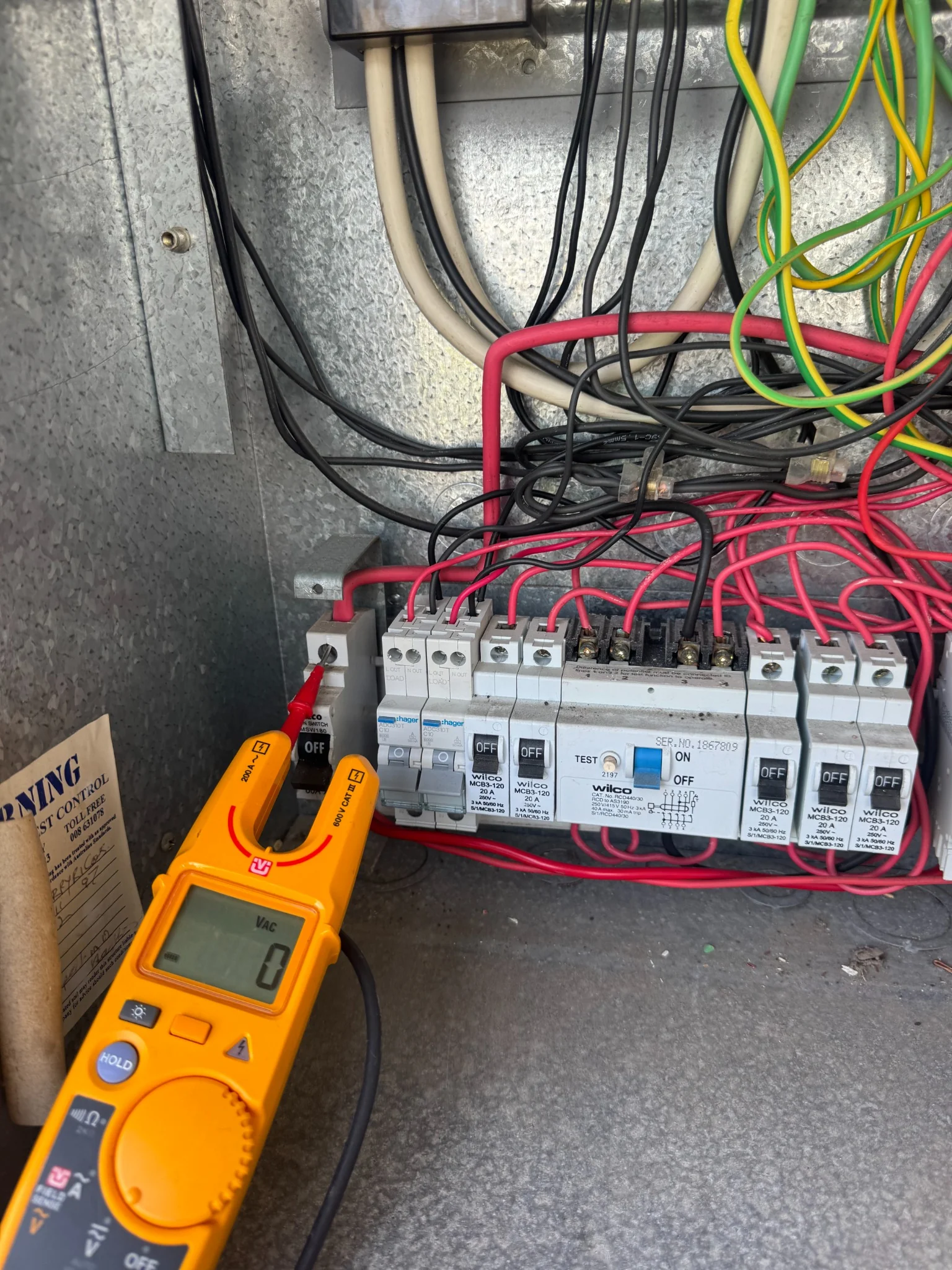
Many electrical problems in older homes develop slowly, which makes them easy to dismiss or ignore. What feels like a minor inconvenience today may be an early warning sign of a system struggling to meet modern electrical demands. Recognising these signs early allows homeowners to act before safety is compromised.
Remember that older homes were not designed for today’s appliances, air conditioning systems and technology usage. As electrical loads increase, existing wiring and switchboards can become overstressed. Paying attention to changes in performance is one of the simplest ways to identify the need for upgrades.
Flickering lights are often more than just an annoyance in older homes. They usually indicate loose wiring connections, overloaded circuits or deteriorating cables behind the walls. These issues tend to worsen over time if left unaddressed. Unusual or frequent power outages within the home are another warning sign. If your power trips without a clear cause, it may be because the system cannot handle current demand.
Factors commonly responsible are the following:
If lights flicker or power trips regularly, your electrical system is signalling stress or deterioration. Addressing these signs early helps prevent escalating faults and reduces the risk of sudden failure.
Many older homes still rely on ceramic fuses and original wiring. These systems lack the safety mechanisms required to protect occupants from modern electrical faults. They also do not comply with current safety standards.
Warning indicators could be:
Old switchboards and wiring lack the protection required for modern living. Upgrading them is one of the most effective ways to improve safety and system reliability in older homes.
Electrical components should never feel warm during normal use. Heat at power points or light switches often signals resistance within the wiring. This resistance increases the risk of electrical arcing and fire.
Homeowners should be alert to:
Heat at electrical outlets is never normal and should be treated as a warning sign. Prompt investigation can prevent overheating from turning into serious electrical damage or fire.
Electrical risks in older homes are often hidden behind walls, ceilings and switchboards. This makes them easy to underestimate until something goes wrong. Understanding these risks helps homeowners prioritise upgrades that genuinely improve safety.
Outdated systems do not fail all at once. They gradually become less reliable, less safe and more expensive to maintain. Addressing known risks early is far safer than waiting for an emergency.
Fuse boxes offer minimal protection compared to modern safety switches. They are designed to protect wiring only, not people. Safety switches, also known as RCDs, cut power instantly when a fault is detected.
There are several differences, including:
Fuse boxes offer outdated protection that does not meet modern safety expectations. Replacing them with safety switches significantly improves personal and property protection.
Old wiring materials degrade over time, especially in warm or humid environments. As insulation breaks down, exposed wiring becomes a serious fire risk. Many electrical fires start inside walls where damage is not visible.
In many cases, fire risk is linked to:
Ageing wiring materials are a common cause of electrical fires in older homes. Replacing deteriorated cables removes hidden risks that cannot be managed through repairs alone.
Older homes often rely on power boards and double adaptors to meet modern needs. This places excessive strain on circuits that were never designed for such loads. Overloading significantly increases heat buildup.
This risk is often signalled by:
Relying on power boards is a clear sign that the system is under capacity. Upgrading circuits eliminates unsafe load sharing and improves everyday performance.
Modern electrical safety features are designed to actively prevent injury, fire and property damage. They provide automatic protection rather than relying on manual intervention. For older homes, these upgrades often make the biggest safety improvement for the least disruption.
Installing modern safety devices also improves everyday reliability. Power systems run more efficiently, and faults are easier to identify and resolve.
Surge protection shields your home from voltage spikes caused by storms, grid switching or appliance faults. Circuit breakers replace old fuses and allow faster fault response without replacement parts.
This delivers several key benefits, including:
Modern protection devices prevent damage from sudden voltage spikes and faults. They offer faster response times and greater control over electrical safety.
Smoke alarms are a critical part of electrical safety, especially when integrated correctly with modern wiring. Regulations require compliant smoke alarm placement and functionality.
Upgrades typically involve:
Correctly installed smoke alarms provide early warning when it matters most. Compliance upgrades ensure alarms function reliably and meet Australian legal requirements.
Modern standards require safety switches on both power and lighting circuits. Older homes often only have partial protection or none at all. Full coverage reduces the risk of any serious injury. It is one of the most important safety upgrades for older homes.
Appliances such as air conditioners, ovens and electric vehicle chargers require dedicated circuits. This prevents overloading and improves performance. Dedicated circuits reduce nuisance tripping and overload. They also improve efficiency and reduce unnecessary system strain.

Electrical compliance is not just about meeting regulations. It is about ensuring the system is safe, defensible and insurable. Older homes often fall short of current standards without the owner realising it.
Australian regulations continue to evolve as safety knowledge improves. What was acceptable decades ago may now be considered unsafe or non-compliant.
Electrical upgrades are required during major renovations, switchboard replacements or when faults are identified. Safety switches and smoke alarms are commonly mandated upgrades.
Situations that often trigger compliance requirements include:
Regulatory triggers exist to ensure safety keeps pace with modern expectations. Understanding when upgrades are required helps homeowners stay compliant and avoid penalties.
Non-compliant electrical systems can void insurance policies or complicate claims. Insurers increasingly request evidence of compliance after incidents.
From a property perspective, compliant electrical systems:
Compliance protects more than safety; it protects financial interests. Insurers and buyers increasingly expect proof that electrical systems meet current standards.
Landlords have specific obligations under Australian law to maintain safe electrical systems. This includes regular testing and compliant safety devices. Failure to comply can lead to penalties and liability exposure.
Landlord responsibilities are:
This approach not only meets legal requirements but also protects tenants, reduces risk and supports long-term property value.
Preparing for an electrical upgrade ensures the process is efficient, cost-effective and minimally disruptive. Good planning also helps homeowners prioritise safety-critical improvements.
A structured approach allows upgrades to be staged if required. This makes it easier to manage budgets while still addressing the most urgent risks first.
A professional assessment identifies existing risks and limitations. This includes inspecting wiring, switchboards, earthing and safety devices.
Assessments typically cover:
A professional assessment removes guesswork and identifies real risks. It provides a clear starting point for safe and effective upgrades.
Electrical upgrades can be scaled based on priorities, with safety-related improvements addressed first. Clear scoping helps homeowners manage costs and avoid unnecessary delays.
Key planning considerations include:
Clear planning ensures essential safety upgrades are prioritised first. This approach helps manage costs while still addressing critical risks.
Experienced electricians plan upgrades to reduce downtime and household disruption. Good preparation and communication help ensure the work runs smoothly.
Here are some ways to minimise inconvenience:
Good preparation and experienced workmanship reduce inconvenience during upgrades. Most electrical improvements can be completed with minimal household disruption.
Planning for future electrical needs avoids repeated upgrades and unnecessary expense. Designing with growth in mind ensures the system can support evolving lifestyles.
Planning for the future can involve:
Electrical safety upgrades are one of the most important investments you can make in an older home. Understanding the warning signs, risks and modern solutions allows homeowners to act before problems escalate. Here at Fraser Electrical, we see how proactive upgrades protect families, simplify compliance and deliver peace of mind when supported by our experienced residential electricians.

