Licence No. 387609C
Electrical emergencies can become dangerous in seconds, so knowing what to do immediately can help prevent injuries, fires and costly damage before help arrives.
This guide is for Australian homeowners, renters, landlords and parents who want clear, practical steps to follow when something electrical goes wrong at home, whether it’s a sudden blackout, sparks from a power point, an electrical fire, or an electric shock.
At Fraser Electrical, we often attend urgent call-outs where the biggest difference between a close call and a serious disaster is what was done in the first few minutes. If you ever need an emergency electrician in Central Coast, staying calm and taking the correct first steps can make the situation safer for everyone until professional help arrives.
In this article, you’ll learn how to recognise a true electrical emergency, what to do (and what not to do) during common crisis situations, how to prepare your household ahead of time and what to expect from emergency electrical services on the Central Coast.
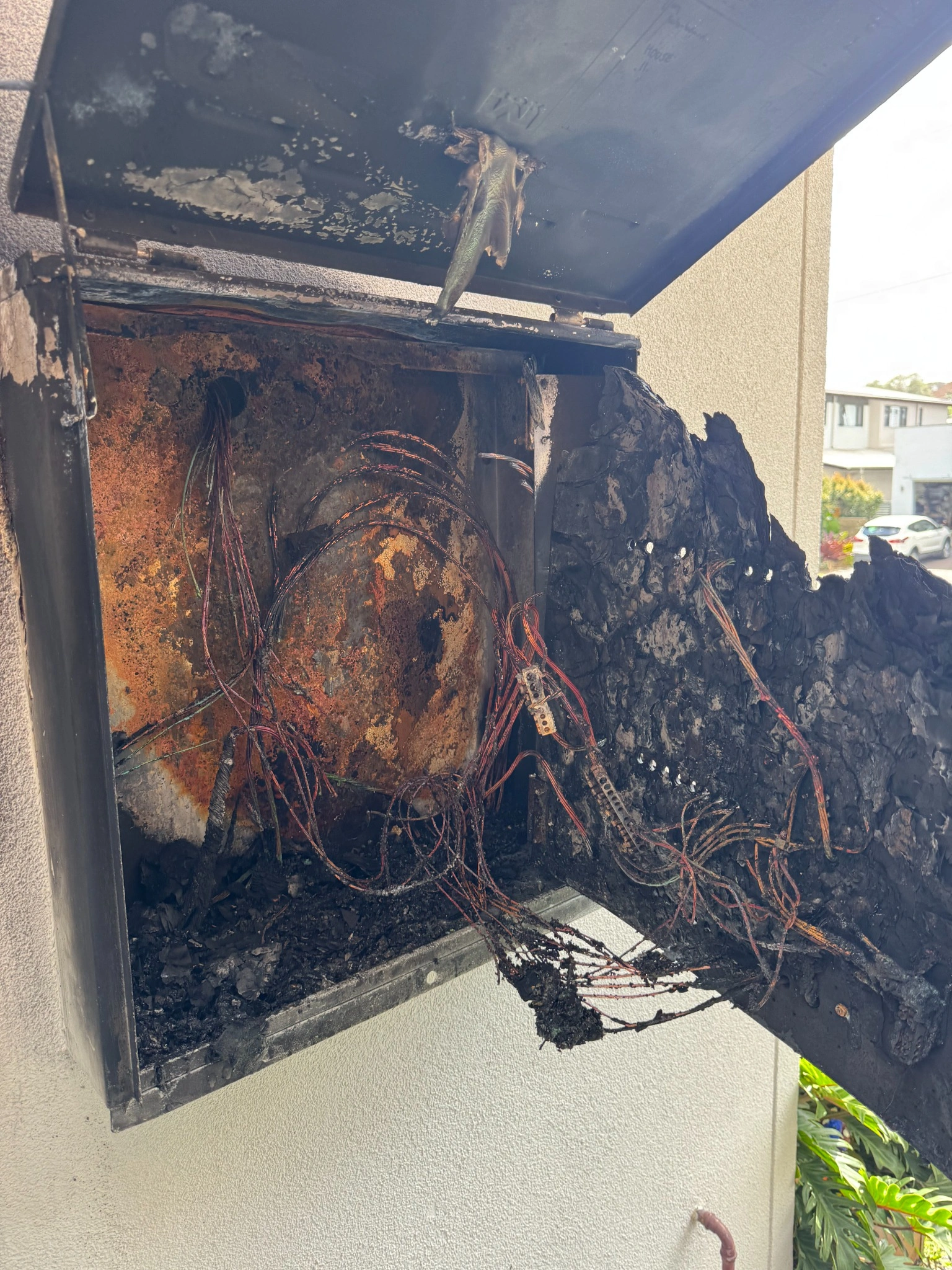
One of the most important parts of handling electrical emergencies safely is knowing when something is actually urgent. Many households waste valuable time trying to “figure it out” first, resetting switches repeatedly, testing different appliances, or assuming it’s just a minor fault. Unfortunately, electrical problems can become dangerous quickly because heat builds silently behind walls, wiring can arc without warning and electricity is unforgiving.
A true emergency is any situation where someone could be injured, a fire could start, or electrical components could be actively overheating. These are not moments for DIY troubleshooting or waiting until business hours. They require immediate action to reduce risk and professional support as soon as possible.
Electrical danger often leaves clues, but they’re not always dramatic. Some of the most serious risks start as “small” things: a faint burning smell, a warm power point, or lights flickering only in one room. These can all indicate that wires are overheating or that there’s arcing happening behind the scenes.
Watch for signs such as:
It’s also worth taking tingling sensations seriously. If you ever feel a tingling “zap” when touching an appliance, a metal surface, or even a tap, it can indicate an earthing issue or fault that needs urgent attention.
A good way to think about it is this: if the problem involves heat, smoke, sparking, or someone being shocked, it’s no longer “just electrical”. It’s a safety emergency.
You should call an emergency electrician immediately if:
If fire is involved or someone is injured, call 000 first. Once the urgent danger is under control, an electrician can inspect the wiring, isolate unsafe circuits and complete emergency repairs.
When an electrical crisis hits, your priority isn’t fixing the problem. Your priority is making the situation safe: preventing electrocution, preventing fire spread and protecting everyone in the home until help arrives.
A helpful mindset in emergencies is to slow down, scan for immediate threats (smoke, heat, exposed wires) and act in a calm sequence. Many incidents get worse when people move quickly and touch the wrong thing, especially in wet conditions or at night when visibility is poor.
This section breaks down what to do during the most common electrical emergency scenarios in Australian homes.
Power outages can be harmless, but they can also be the first sign of a more serious fault. On the Central Coast, outages often happen during storms, strong winds, or peak summer energy demand. Sometimes it’s a network issue. Other times, it’s an appliance fault, a damaged cable, or a switchboard safety mechanism doing its job.
Start by checking whether the outage affects only your home or your entire street. If neighbours are also out, you’re likely dealing with a supply issue and should contact the network provider (Ausgrid covers most of the Central Coast). If your neighbours still have power, treat it as a household electrical issue.
If it’s safe to do so, turn off sensitive appliances like televisions, computers, air conditioners and fridges at the wall. This reduces the chance of surge damage when power returns. Then check your switchboard.
If a safety switch or breaker has tripped, you can reset it once. If it immediately trips again, stop. Repeated tripping is not a nuisance. It’s a warning that something is unsafe.
At that point, it’s time to call an electrician, especially if the outage is accompanied by burning smells, heat, or buzzing from the board.
Electrical fires are one of the most dangerous emergencies because they involve two serious risks: fire and live electricity. The most common mistake people make in this situation is using water. In electrical fires, water can turn a bad situation into a deadly one.
If you notice smoke or flames from an appliance, outlet, or switchboard, your first goal is to cut power if you can do so safely. That means reaching the switchboard without passing through smoke or fire. If it’s unsafe, do not attempt it. Your safety comes first.
If the fire is small and contained and you have the right equipment, you may be able to use a dry chemical powder extinguisher (ABE). If the fire grows, spreads, or fills the room with smoke, evacuate immediately and call 000. Smoke inhalation is one of the most serious risks in house fires and electrical fires, can create particularly toxic smoke.
A quick reminder: Even after flames are out, wiring may still be damaged, and hidden hotspots can remain in walls. Always have the area inspected before using that circuit again.
Electric shock incidents need to be treated with extreme caution. Even a small shock might signal a major underlying electrical fault, such as damaged insulation, water exposure, or faulty earthing. And in serious shocks, the body can go into cardiac arrest.
If someone receives a shock, do not touch them immediately if you suspect they are still in contact with the electrical source. Your job is to break the circuit safely, not become the second victim.
Turn off power at the switchboard if possible. If you cannot reach it safely, use a dry non-conductive object, such as a wooden broom handle, to separate the person from the source. Do not use metal. Do not use anything wet.
Call 000 right away if the person collapses, has burns, feels unwell, is confused, has chest pain, or has trouble breathing. If they are not breathing normally, begin CPR if you are trained to do so and follow operator instructions.
Even if the person seems okay afterwards, it’s still a good idea to seek medical attention, as symptoms can develop later.
In emergency call-outs, we often find the electrical fault wasn’t the only issue. It’s what happened afterwards that made the situation worse: repeated resetting of the switchboard, continued appliance use, or DIY repairs that created new hazards.
Here are the most common mistakes to avoid:
If the situation feels unsafe, stop. Isolate power. Call a professional. Electrical faults do not improve on their own.
Most emergencies are made worse by uncertainty. People don’t know where the switchboard is, which switch to turn off, whether they’re allowed to touch anything, or who to call. Preparing your household removes hesitation and helps everyone respond more calmly.
Start with the switchboard. It should be clearly accessible (not blocked by storage boxes), and circuits should be labelled. Every adult in the home should know how to turn off the main switch and what it means when an RCD trips.
It’s also worth building a simple home safety system. Keep a torch in a known location. Avoid candles during blackouts, as they increase fire risk. Make sure you have a working ABE fire extinguisher and a fire blanket, particularly in kitchens and laundries where appliance faults are common.
A short emergency checklist can help too:
Prevention also matters. If you live in an older home, or you’ve recently renovated, it’s worth booking a preventative electrical inspection. Many faults are invisible until the moment they become dangerous.
Many homeowners hesitate to call because they worry they’re overreacting. But emergency electricians are there for exactly these high-risk situations, especially when there’s smoke, burning smells, repeated tripping, or shock risk.
On the Central Coast, we often see emergencies triggered by storms, heavy rain and summer overload. Water exposure is a major factor, especially when it reaches outdoor outlets, garages, sheds, or switchboards.
Emergency electricians typically attend jobs such as switchboards making noises, sparking outlets, smoke from power points, tripping safety switches that won’t reset and partial power loss from damaged circuits.
To help your electrician respond quickly, share:
Most importantly, emergency electricians focus on making things safe first. That may involve isolating a circuit, testing for faults and restoring safe power to essential areas. Full repairs may be done immediately if possible or scheduled as follow-up work depending on the cause.
Electrical emergencies can feel overwhelming, but a safe response comes down to a few key actions: recognise danger signs early, avoid risky DIY decisions, isolate power when safe and contact qualified help without delay.
At Fraser Electrical, we encourage Central Coast households to treat smoke, sparks, burning smells, repeated tripping and electric shocks as immediate warning signs. With the right first steps, you can protect your family and reduce damage while waiting for professional assistance.

