Licence No. 387609C
Electrical safety in Australian homes has changed significantly over the past few years. With solar systems, electric vehicles, smart appliances and home automation becoming more common, the way we use electricity today is very different from even a decade ago. At Fraser Electrical, we often see homes where the electrical system hasn’t kept pace with these changes, creating risks that homeowners may not be aware of until something goes wrong.
Understanding modern electrical safety trends gives homeowners the chance to stay ahead of potential issues, protect their families and keep their homes compliant with current Australian standards.
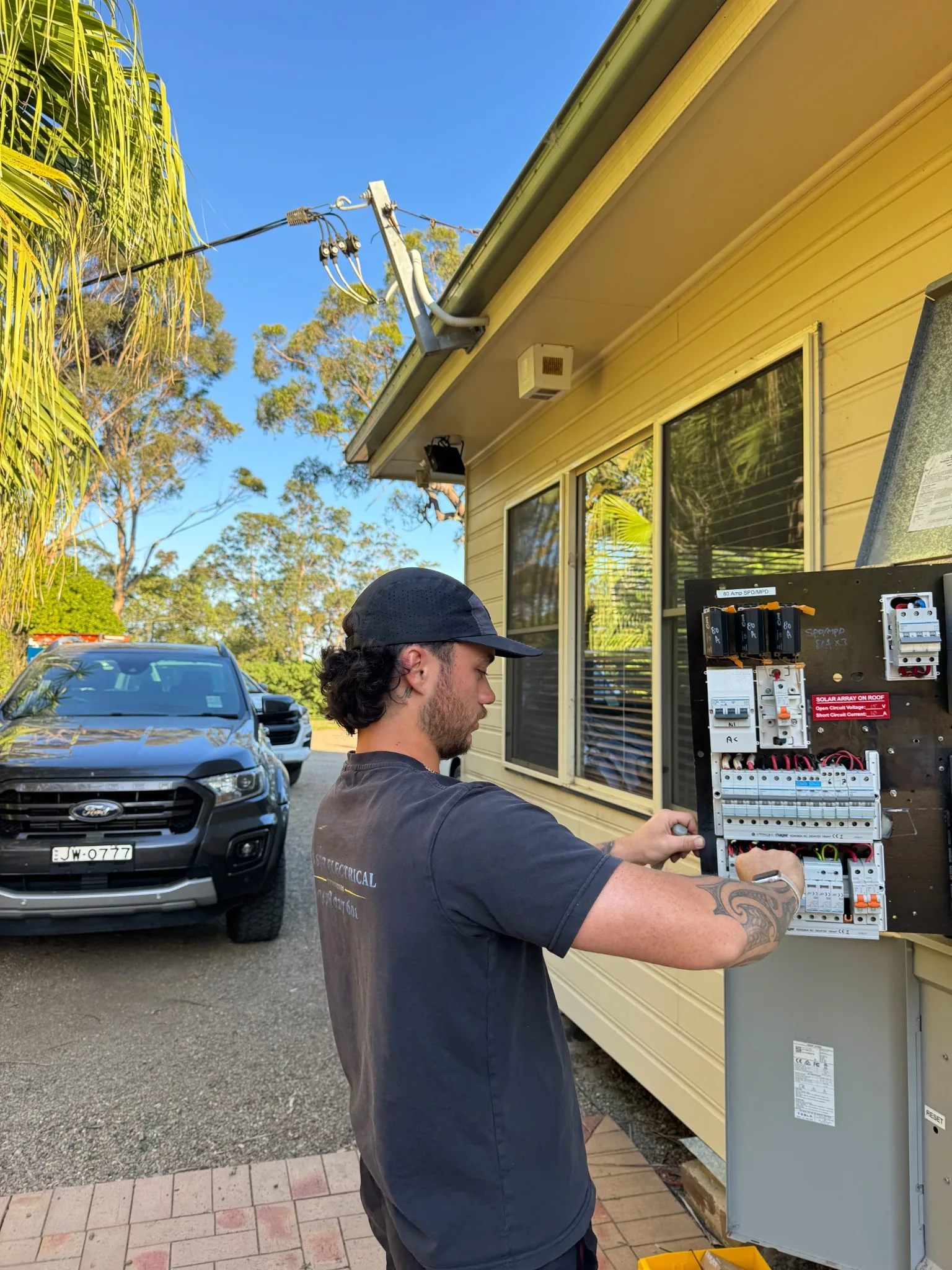
Electrical safety devices are no longer just about shutting off power when there is a serious fault. Modern systems are designed to detect issues early, monitor usage and provide smarter protection for homes with increasing electrical demands.
Smart circuit breakers are becoming a practical upgrade for many Australian households, particularly those with solar panels, battery storage, or electric vehicle chargers. Unlike traditional breakers that only react when a fault occurs, smart circuit breakers continuously monitor how electricity is flowing through each circuit.
This allows them to identify unusual patterns that may point to failing appliances, overloaded circuits, or developing faults. In many cases, homeowners receive alerts through a mobile app if something isn’t right, giving them the opportunity to act before a small issue becomes a serious hazard.
Key benefits of smart circuit breakers include:
For busy households or properties with variable energy usage, this added insight can make a real difference to safety and peace of mind.
Surge protection is often associated with lightning strikes, but in modern homes, surges are far more likely to come from everyday electrical activity. Appliances turning on and off, solar systems feeding power back into the grid and changes in supply from energy providers can all cause sudden voltage spikes.
Newer surge protection devices are typically installed at the switchboard and designed to protect the entire home, rather than a single appliance. This is especially important now that many households rely on sensitive electronics and smart systems that are easily damaged by even small surges.
Common sources of power surges include:
As reliance on electronic devices continues to grow, surge protection has become a key part of a safe and resilient home electrical system.
One of the biggest challenges with electrical safety is that many hazards are hidden. A system can appear to work perfectly while still posing serious risks behind the walls or inside the switchboard.
Many Australian homes were built at a time when electrical demand was far lower than it is today. As lifestyles have changed, older wiring systems are often pushed beyond what they were designed to handle. Over time, insulation can degrade, connections can loosen and earthing may no longer meet modern requirements.
These problems don’t always cause immediate power outages, which is why they often go unnoticed. However, they significantly increase the risk of electrical fires and electric shock if left unaddressed.
Common issues found in older wiring systems include:
Regular inspections are one of the most effective ways to identify these risks early and keep older homes safe.
Despite widespread awareness, overloaded power boards remain a common issue in Australian homes. As more devices become part of daily life, it’s easy for power boards to shift from a temporary solution to a permanent one.
When multiple high-draw appliances are connected to a single board, heat builds up and the risk of fire increases. Warning signs often develop slowly and are sometimes dismissed until a fault occurs.
Signs of an overloaded power board include:
Installing additional power points or upgrading circuits is far safer than relying on extension leads long-term.
Smart home technology offers convenience, efficiency and greater control over household systems. However, these benefits only come when smart devices are installed and used safely.
Smart plugs and switches are often seen as low-risk additions, but they can introduce hazards if they are poorly made or incorrectly used. Many products available online are not certified for Australian electrical systems, and some are not designed to handle higher electrical loads.
Safe use of smart devices involves:
Before upgrading to smart technology, consulting a qualified residential electrician in Central Coast can help ensure your wiring and switchboard are suitable and compliant.
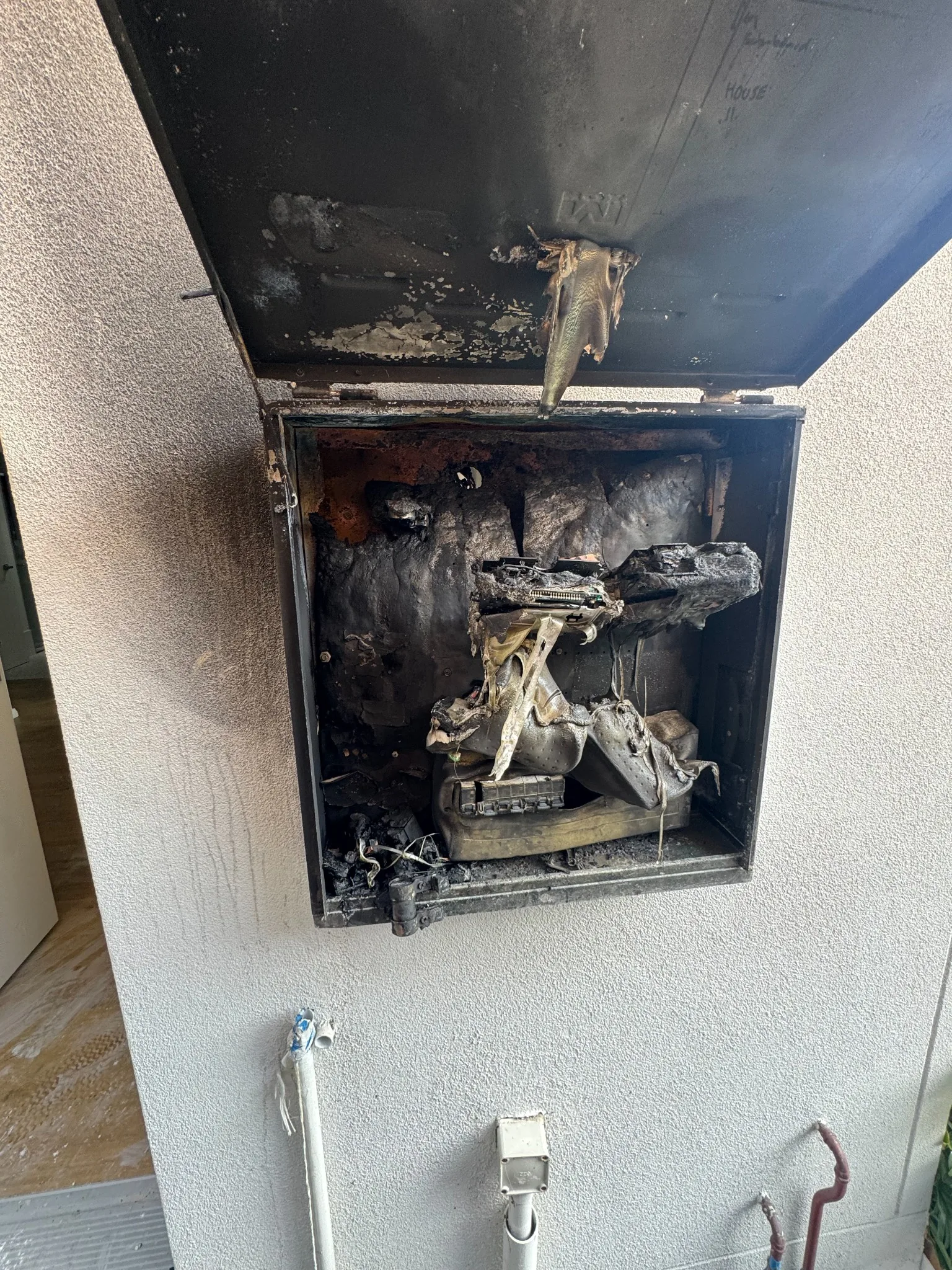
Electrical emergencies rarely come out of nowhere. In most cases, there are warning signs that something is wrong long before a serious incident occurs.
Some electrical issues should always be treated as urgent. Acting early can prevent damage to the home and reduce the risk of injury.
Homeowners should seek professional help immediately if they notice:
These signs often point to underlying faults that require prompt attention.
DIY projects can be tempting, but electrical work is one area where professional expertise is essential. Australian regulations strictly limit what unlicensed individuals can do, and for good reason.
While tasks like replacing light bulbs are safe, anything involving wiring, switchboards, or electrical installations should always be handled by a licensed electrician. What may look like a simple fix can often mask a deeper issue that only becomes apparent later.
Professional electrical maintenance provides:
DIY electrical work often creates hidden problems that surface later, sometimes with serious consequences.
Home electrical safety today involves far more than keeping power running. As households rely more heavily on smart technology, solar systems and high-load appliances, electrical systems must be able to support these demands safely and reliably. Staying informed about modern safety devices, recognising early warning signs and understanding when professional expertise is required all play a role in reducing risk.
Regular inspections, thoughtful upgrades and adherence to current Australian standards help ensure electrical systems remain fit for purpose as homes evolve. By taking a proactive approach to electrical safety, homeowners can minimise hazards, protect their property and maintain a safe living environment well into the future.

