Licence No. 387609C
Upgrading a commercial building’s electrical and data infrastructure is one of the most effective ways to improve safety, efficiency and long-term asset performance. For property owners and managers working with Fraser Electrical, engaging a qualified commercial electrician in Central Coast ensures that critical checks are completed before committing to new cabling, switchboards, data systems or network hardware. These upgrades influence everything from operational reliability and tenant satisfaction to compliance and future scalability.
This article outlines the key considerations that underpin a successful upgrade, including assessing existing load capacity, identifying risks within ageing infrastructure, aligning with evolving compliance requirements and planning for future technology and electrification. By addressing these factors early, projects can proceed with greater clarity, reduced disruption and stronger long-term outcomes.
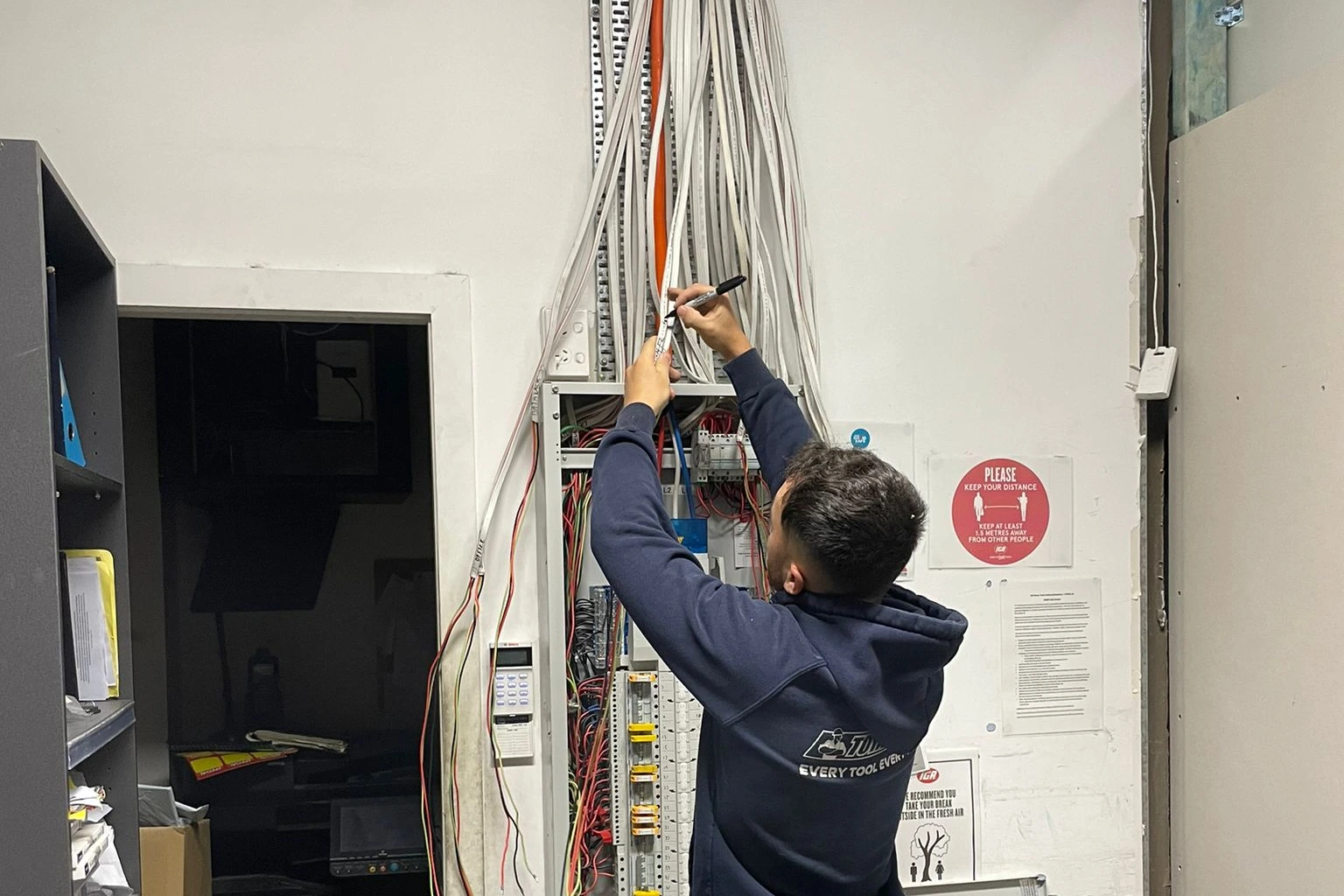
Most commercial buildings were designed around the power and data demands of a different era. As technology loads increase and work patterns change, the original electrical and communications systems are often pushed beyond what they were intended to handle. At first, this shows up as nuisance issues like tripped breakers or slow network performance, but over time, it can become a genuine safety and reliability concern.
Understanding why a building has outgrown its existing infrastructure is the first step in deciding what needs to change. It helps clarify whether small targeted upgrades are enough or whether a more comprehensive redesign is required.
Office and commercial spaces now rely on far more powerful equipment than even ten years ago. Multiple computer screens at each workstation, high‑density server racks, commercial kitchen appliances, fast EV chargers, LED lighting with smart controls and HVAC systems with electronic management all add to the total load.
Older distribution boards and cable runs were often sized with limited spare capacity. As tenants add equipment over time, circuits become heavily loaded, leading to:
In some cases, temporary fixes such as power boards and daisy‑chained extension leads are used instead of additional dedicated circuits. This practice increases fire risk and is a clear sign that the base infrastructure is no longer adequate.
Modern businesses expect fast, stable connectivity for cloud systems, video conferencing access control and building management platforms. Legacy data cabling often struggles with these expectations.
Many buildings still rely on mixed or outdated cabling, such as Cat5 or unlabelled patchwork installations that have grown organically over time. These systems can limit achievable network speeds, increase latency and introduce intermittent faults that are difficult to diagnose.
Poorly planned cable pathways, ceiling spaces crammed with ad‑hoc additions and racks without structured management create further constraints. When tenants need to add Wi‑Fi access points, security cameras or VoIP phones, there is simply no tidy capacity left to expand without too much rework.
Commercial buildings rarely keep the same layout and purpose for their entire life. Office floors are reconfigured to open‑plan spaces or collaborative hubs, warehouses are converted to mixed‑use premises and retail units bring in high‑load equipment such as refrigeration or audio‑visual systems.
Each use change alters the pattern and concentration of both power and data demand. A system that was once more than adequate for cellular office layouts may be completely unsuitable for rows of workstations with high-power computer equipment and dense Wi‑Fi.
Regulatory expectations also evolve. Updated wiring rules, fire safety standards, accessibility requirements and energy efficiency targets can all render older installations non‑compliant. Lack of residual current device protection, insufficient emergency lighting coverage or inadequate earthing arrangements are common issues in ageing commercial properties that indicate the existing infrastructure has fallen behind current standards.
Before any meaningful upgrade to electrical or data systems, the existing capacity and condition of the switchboard must be clearly understood. Many commercial buildings operate close to their electrical limits without anyone realising until new equipment, EV chargers or additional tenants are added and overload issues begin to appear.
A careful assessment at this stage prevents costly redesigns later, reduces downtime during works and identifies safety risks that should be addressed before extra load is connected.
The first step is to confirm the size and type of supply coming into the building. This typically includes reviewing:
Ignoring this step often results in nuisance tripping, overheating cables or underperforming equipment once new systems go live.
The main switchboard is the control and protection hub for the entire building. Its condition directly affects reliability and safety. A thorough inspection should consider:
Older boards frequently lack RCD protection as required and may not comply with current short-circuit and arc-fault standards. Corroded busbars, overheated terminations and makeshift additions are common in ageing commercial installations.
Physical space within the board is also critical. Many upgrades fail at the design stage because there is no safe way to add the number of new breakers, metering devices or control gear required. In some cases, a complete switchboard replacement or installation of new distribution boards is more practical than attempting to extend an exhausted enclosure.
A capacity upgrade is an ideal time to bring the installation into line with current codes and to build in future flexibility. The switchboard review should verify:
Provision of spare ways, segregated sections for communications equipment and clear cable pathways will simplify future data and electrical expansions.
Before any upgrade design is finalised, the existing and future power demand of the building must be clearly understood. This is more than checking the size of the main switchboard. It requires a structured review of how different tenancies use electricity, which equipment is installed or planned and what loads must remain online during faults or outages.
A careful demand review helps avoid two costly mistakes: paying for capacity that will never be used or, worse, installing an upgraded system that is still undersized for peak operation or future growth.
The first step is to document how each tenancy actually uses power. Relying only on floor area or generic load tables often leads to incorrect sizing.
Obtain recent interval or monthly metre data for each tenancy if available and identify daily and seasonal peaks. Tenancies such as restaurants, healthcare suites, gyms or data-heavy offices can have much higher demand than standard office space. Note operating hours and diversity of use, for example, a ground-floor café that starts early and upper-level offices that peak mid-afternoon.
Walk each tenancy to confirm:
This on-site verification checks that metering data aligns with what is physically installed and highlights any unauthorised additions or temporary loads that have become permanent.
A useful upgrade design must cover not only current loads but also realistic expansion within the life of the new infrastructure.
List existing major loads such as mechanical plant lifts, kitchen equipment, UPS systems, server rooms, EV chargers and large-format signage. For each item, record the nameplate ratings, duty cycle and whether it operates simultaneously with other plants. This allows a more accurate diversity calculation rather than simply summing all plates.
Engage with building management and key tenants to understand:
Apply an agreed growth factor to the design load, often in the range of 20 to 30%, depending on tenancy mix and lease strategy, so the upgraded system can handle foreseeable changes without another major intervention.
Modern commercial buildings increasingly require defined levels of resilience. Before upgrading, it is critical to separate essential from non-essential loads and confirm how each will be supported.
Identify all systems that must operate during a grid outage or internal fault, such as:
Determine the required runtime and performance for these loads during an outage and how they will be supplied using backup generators, central or distributed UPS systems or battery storage.
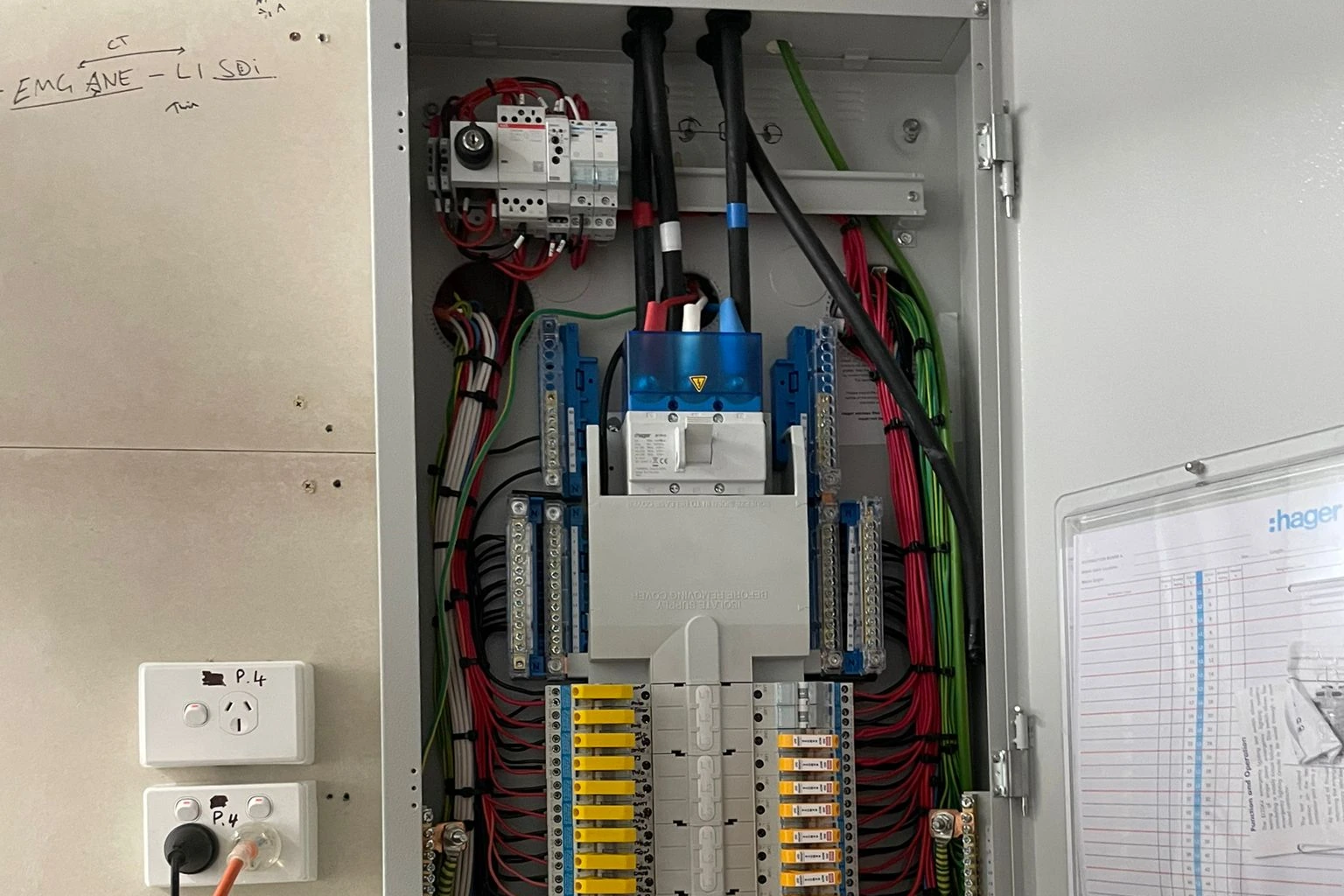
Before investing in new data cabling, it is essential to confirm whether the existing system can reliably support current and planned digital workloads. Many commercial buildings still operate on legacy cabling that was designed for email and basic file sharing rather than cloud platforms, high‑definition video, VoIP and building automation systems. A structured assessment prevents unnecessary replacement while identifying hidden bottlenecks that limit productivity or resilience.
This review should consider both technical performance and practical suitability. The cabling type, layout, patching practices and available capacity all determine how well the network supports tenants, staff and modern building systems.
Installed performance is often very different from theoretical specifications. Poor terminations, tight bends, unapproved joins and proximity to power cabling can all degrade signal quality.
Network performance monitoring logs and user reports offer clues. Regular dropouts, slow file transfers, choppy video calls and VoIP quality issues are all signs that the cabling or patching may be underperforming. Structured cable testing with certified testers can verify speed capability, identify crosstalk and attenuation issues and locate damaged segments.
Patch rooms and communication cabinets also deserve attention. Overcrowded racks, tangled patch leads and unlabeled connections point to a system that will be difficult to support as demand grows. Even if the underlying cable is technically adequate, poor patching practices can undermine reliability.
Capacity is more than raw bandwidth. It also includes the number and distribution of outlets as well as spare pathways for growth. A building that has moved to open‑plan workspaces, collaboration areas and hot desking may need more outlets in different locations than originally planned. Wireless access points, security cameras, access control and building management systems also require structured cabling and PoE support.
Future needs should be considered over at least a 5- to 10‑year horizon. Planned increases in staff numbers, cloud adoption, video conferencing, IP‑based security systems and smart building technologies all increase demand. If existing cabling only just meets today’s needs, a targeted upgrade to higher‑category copper or additional fibre backbones may be more cost‑effective than repeated incremental fixes.
Before any commercial electrical or data upgrade starts, it is essential to confirm that the existing installation and the proposed works will comply with current regulations and standards. Early compliance checks prevent costly redesigns, project delays and the risk of unsafe or non‑certifiable work once the upgrade is completed.
A structured compliance review should cover legal obligations, building certification requirements, electrical safety standards and data and communications regulations. This review forms the baseline for what can stay as is, what must be upgraded and what will influence design choices for new infrastructure.
The first step is to identify all codes and standards that apply to the building type and location. For a commercial property, this will typically include national or state electrical regulations, building codes, fire safety requirements and workplace health and safety obligations.
Questions include whether the building is still compliant with the electrical rules that applied when it was constructed and where it must now be brought in line with current standards as part of the upgrade. Particular attention should be paid to:
If the upgrade involves new tenants or a change of building use, such as office to healthcare, additional category‑specific rules may apply to power redundancy, emergency systems and communications cabling.
Electrical and data upgrades frequently intersect with fire safety systems and information and communications regulations. Any additional cabling penetrations or equipment in risers, ceiling spaces or plant rooms must preserve the required fire-resistance level and not compromise smoke or fire compartmentation.
Penetrations must be sealed using approved fire‑stopping systems and fire‑rated cable or containment may be required for emergency circuits and critical communications. Pathways for evacuation, lighting, alarms, access control and security systems must remain compliant after the upgrade.
For data and ICT infrastructure, structured cabling should comply with current performance categories and installation standards. This includes correct separation from power cabling, use of compliant pathways and enclosures and adherence to earthing and bonding practices that avoid interference and safety issues. Where networks will carry sensitive or regulated data, additional security and equipment location requirements may also apply and should be identified before design is finalised.
Every commercial electrical and data upgrade should be designed with the next 5 to 15 years in mind, not just current needs. Planning for likely changes in tenancy, technology and energy use can minimise future disruption and avoid costly rework when a new fit-out or system is required.
Before committing to any upgrade, it is essential to map out how the building may evolve, from changing workspace layouts to vehicle charging or all-electric services. The aim is to build in spare capacity, flexibility and pathways so future projects can be completed quickly and safely with minimal impact on occupants.
Most commercial buildings will see multiple tenancy changes over the life of the electrical and data infrastructure. Each new tenant can have very different load profiles and data needs.
When upgrading, consider whether the distribution board layout, submains and cable pathways allow for easy reconfiguration. Extra spare ways in distribution boards, additional risers and well-sized cable trays or conduits make it simpler to add new circuits for kitchens, showroom lighting, server rooms or specialist equipment.
Open-plan offices are frequently reconfigured, with workstations moved or added and meeting rooms converted. Installing a grid of general power and data outlets, floor boxes or underfloor busways can reduce the need for later surface-mounted cabling and minimise trip hazards. In ceilings, generous containment for lighting and control cabling supports future lighting redesigns and sensor-based controls.
When reviewing data infrastructure, assess whether structured cabling, patch panels and communication rooms can support higher bandwidth and increased device density. Installing higher category cabling than currently required, along with extra cores and spare conduits to key locations, usually costs less during an upgrade than a future retrofit.
Increasing adoption of cloud services, video conferencing and building analytics drives greater dependency on reliable connectivity and resilient power. Dedicated circuits and UPS supply for network racks, security systems and access control should be considered at the design stage. Allowing for additional rack space, cooling and redundant power feeds supports later system expansions.
Smart building technologies such as occupancy sensors, automated blinds and integrated management platforms also require additional control cabling, I/O points and sometimes separate control panels. Providing flexible control cable routes and space in switchboards and panels makes later integration smoother.
Electrification of building services and transport is accelerating and many commercial buildings will need to support it within the life of the upgraded installation.
Even if the immediate installation of EV chargers or an all-electric plant is not planned, the upgrade design should consider:
Transitioning from gas to electric hot water or commercial kitchens can increase maximum demand. Allowing for staged upgrades of switchgear, transformers or main feeds can prevent major disruption should these changes be implemented later.
Planning an electrical or data upgrade in a commercial building is as much about logistics as it is about technical design. Before any cabling is run or switchboards are opened, it is essential to understand how people use the building each day, where trades can work and what level of disruption tenants or operations can tolerate.
Failing to plan for access and downtime often leads to overruns, variations and frustrated occupants. Careful consideration of these constraints early in the process helps set realistic timeframes, identify staging requirements and avoid breaching lease or regulatory obligations.
The first step is to map how installers will physically reach the areas that need upgrading. Riser cupboards, ceiling spaces, plant rooms, basements and external service corridors all need to be checked for clear and safe access.
Access routes for materials and equipment are equally important. Large switchboards, cable drums and server racks may require goods lifts, loading docks or after-hours delivery times. Heritage features high-end fitouts and public-facing areas that might require added protection to avoid damage or dust spread. Where access passes or security escorts are needed, this must be coordinated with building management well ahead of site works.
Any electrical or data upgrade will affect building operations to some degree. The priority is to understand what cannot be turned off when it can be interrupted and for how long. Critical systems such as life safety circuits, fire panels, lifts, security networks, server rooms and medical or production equipment often have very limited outage windows.
Clear communication protocols for outage notifications are essential. Tenants typically require written notice well in advance, plus confirmation of actual cutover times. Coordinating multiple stakeholders so that all affected parties are informed before any shutdown avoids disputes and business interruption claims.
Many commercial buildings operate under strict rules that affect when and how installation work can occur. Building management plans often restrict noisy work, such as coring and drilling, to specific hours, which may not align with standard trade times. Some precincts or shared complexes impose delivery curfews that influence when materials can be brought on site.
Fire safety and compliance requirements also shape installation methods and sequencing. Any works involving fire-rated penetrations or switchboard alterations may require inspections by building certifiers or fire contractors, which need to be booked in advance. Where access involves public areas or shared car parks, additional traffic management or safety controls may be required, adding to time and cost.
A well-planned scope is the difference between a smooth electrical and data upgrade and a project that overruns on time, cost and disruption to tenants. Before any cable is pulled or switchboard opened, the required outcomes, limits and constraints of the upgrade must be clearly defined and documented.
Thorough scoping reduces surprises once ceilings are opened or old distribution boards are exposed. It also helps ensure that electrical and ICT works are aligned so the building is not repeatedly opened up for separate trades.
Begin with a realistic assessment of how the building is used today and how it is likely to be used within the next 5 to 10 years. Underestimating load and connectivity is a frequent cause of expensive rework.
Consider in practical terms:
Translate this into clear numbers. Identify target spare capacity in main and distribution boards, the likely number of new circuits, redundancy requirements for critical loads and backbone data cabling capacity. Planning only for “what fits now” often results in additional distribution boards, riser upgrades or new cable trays being installed shortly after completion.
Before finalising scope, obtain accurate information on the existing electrical and data infrastructure. Relying on old drawings or assumptions can lead directly to redesigns mid‑project.
At a minimum, there should be:
Physical inspections are essential. Legacy wiring types, asbestos in switchboard panels, overloaded trays or congested risers can all affect what is achievable without major building works. The scope should clearly state where existing infrastructure will be retained, upgraded or completely replaced so there is no ambiguity when quotes are compared.
A commercial electrical and data upgrade is not simply a technical exercise but a strategic process that requires careful evaluation, planning and coordination. Buildings that have outgrown their original infrastructure often carry hidden risks in overloaded circuits, outdated switchboards and underperforming data systems. Addressing these issues through structured assessment allows upgrades to deliver lasting value rather than short-term fixes. When approached with discipline and supported by experienced professionals, electrical and data upgrades strengthen safety, improve reliability and enhance the overall performance of a commercial property. This positions the building to adapt confidently to future demands while maintaining compliance and operational efficiency.

