Licence No. 387609C
Many homeowners are now considering solar power and EV charging to reduce energy bills and rely less on the grid. Yet one critical question often gets overlooked early in the planning stage: can the existing switchboard safely handle the additional demand? These systems add new electrical loads, safety requirements and compliance considerations and the switchboard is central to how power is distributed and controlled throughout the home. As a residential electrician on the Central Coast, Fraser Electrical sees many projects delayed or made more expensive than necessary simply because the switchboard was assessed too late.
In this article, Fraser Electrical explains how solar and EV chargers affect a home’s electrical infrastructure and why the switchboard plays such an important role in safety, compliance and performance. You will learn how to recognise common signs that an upgrade may be needed, what electricians look for during an assessment, how capacity and compliance can affect the size of a solar system or EV charger that can be installed, and which modern switchboard features better support future energy upgrades. By understanding these factors early, homeowners can plan more confidently, reduce the risk of unexpected costs and help ensure their solar and EV charging systems operate safely and efficiently for years to come.
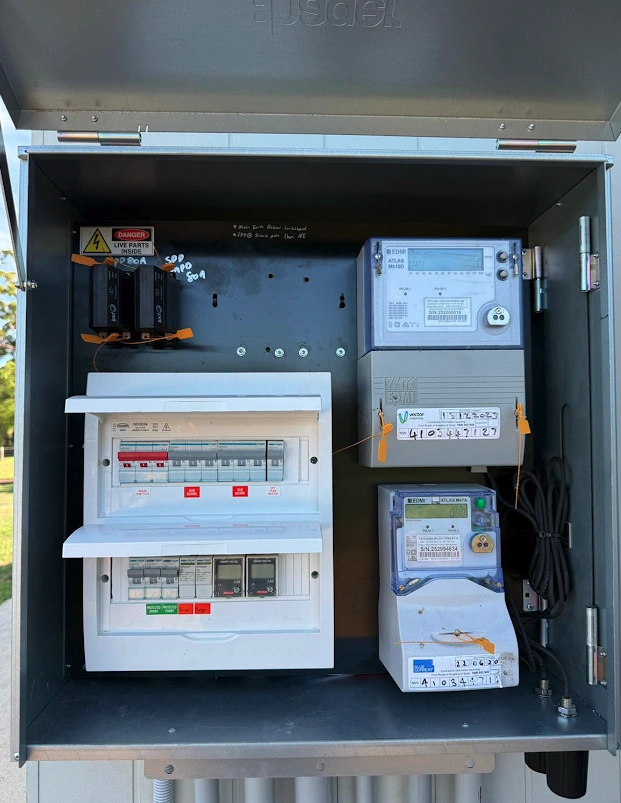
Solar and EV charging can significantly change how electricity moves through a home, even when overall power bills decrease. The switchboard must accommodate new circuits, additional protective devices and different patterns of electricity flow. In some situations, power may be flowing into the home from the grid while solar generation is also supplying the installation.
Many homeowners are surprised to learn that solar panels and EV chargers are not simple plug-in additions. They can affect maximum demand, protection requirements and how the home manages electricity during peak usage periods. That is why it is important to understand the basics before installation begins.
Solar panels do not usually increase how much electricity a home uses, but they do change how that electricity is supplied and managed. The solar inverter connects into the electrical system through the switchboard and begins supplying power to the property’s circuits. This means the switchboard must safely manage both solar generation and grid supply.
The inverter must be installed with the protection and isolation devices required for the system design and current standards. The switchboard must also have enough physical space and suitable capacity for those components. In older homes, the original main switch and switchboard arrangement may not have been designed with solar backfeed or modern inverter protection requirements in mind.
Solar can also introduce export to the grid. When the home is not using all of the energy being generated, the surplus may flow back through the switchboard to the street network. This means the main switchboard, associated cabling and protective devices must be assessed to ensure they are suitable for the proposed system and installation method. In older properties, this may lead to a recommendation for upgraded protection, improved labelling or switchboard modifications before the solar system can be connected.
Unlike solar, an EV charger adds a substantial new load to the home. A common single-phase home charger is around 7 kW, although charging options vary depending on the vehicle, property and installation design. That can be similar to running several major household appliances at the same time. If the home already has electric cooking, heating, air conditioning or an electric hot water system, the added demand from EV charging can place much more pressure on the existing electrical system.
EV chargers generally require a dedicated circuit from the switchboard, designed to suit the charger rating, cable run and installation conditions. The switchboard must have room for the necessary protective devices and must also be suitable for the charger’s electrical requirements. In homes with limited switchboard space, outdated fuse protection or ageing components, this can mean a partial or full switchboard upgrade is needed before a compliant charger installation can proceed.
When solar and EV charging are installed together, the load pattern changes again. During the day, solar generation may offset some or all of the EV charging load if the vehicle is being charged at home. At night, however, the charger draws fully from the grid through the switchboard.
The main switchboard should be assessed for:
In some homes, electricians may recommend load management for the EV charger or staged upgrades to the switchboard, main switch or metre enclosure. This can help the system safely accommodate current needs while allowing room for future additions without repeated major electrical work.
Most existing switchboards were never designed with solar inverters and EV chargers in mind. Before adding either, it is important to confirm whether the current board can safely carry the extra load and support the required protection devices and compliance measures. Ignoring this can lead to nuisance tripping, overheating, installation delays or, in more serious cases, fire risk and insurance complications.
Electricians assess far more than whether there is enough spare space inside the switchboard. They also examine the condition of the board, the type of protection already installed, the rating of the main switch and whether the incoming supply and wiring are suitable for the proposed changes.
An EV charger can draw a large amount of power for extended periods, which makes it very different from many household appliances that cycle on and off. A common home charger may be around 7 kW on single phase, while larger charging setups may require three-phase supply. If the home already includes major electrical loads such as an electric cooktop, electric hot water system, air conditioning or a spa, the total demand can become significant.
Solar changes the equation differently. Rather than simply consuming power, the property may also be generating electricity that flows through the switchboard and, where permitted, out to the grid. The switchboard must be suitable for that arrangement and for the protection devices required by the solar system design.
Electricians calculate the expected maximum demand of the installation using current requirements and then assess whether the existing switchboard and supply arrangement are appropriate for the proposed solar and EV setup.
Even when the overall supply is adequate, many older switchboards simply do not have enough physical room for the extra protection devices required for solar and EV circuits. Traditional boards with rewirable fuses or limited DIN rail space often struggle to accommodate:
Modern safety requirements are also more demanding than what many older boards were built for. New circuits associated with EV charging and solar installations generally need modern protective devices suited to the equipment being installed and the applicable wiring rules. If the existing switchboard is a mix of old fuses and ageing breakers, some level of upgrading is often required before new high-demand circuits can be added safely.
Electricians pay close attention to the age and overall condition of the board. Signs that a switchboard may not be suitable for extra demand include:
In these situations, a switchboard upgrade is often recommended before installing solar or EV charging. This not only creates capacity for the new equipment, but also improves safety and brings the installation closer to current standards, which is valuable for future upgrades and when selling the home.
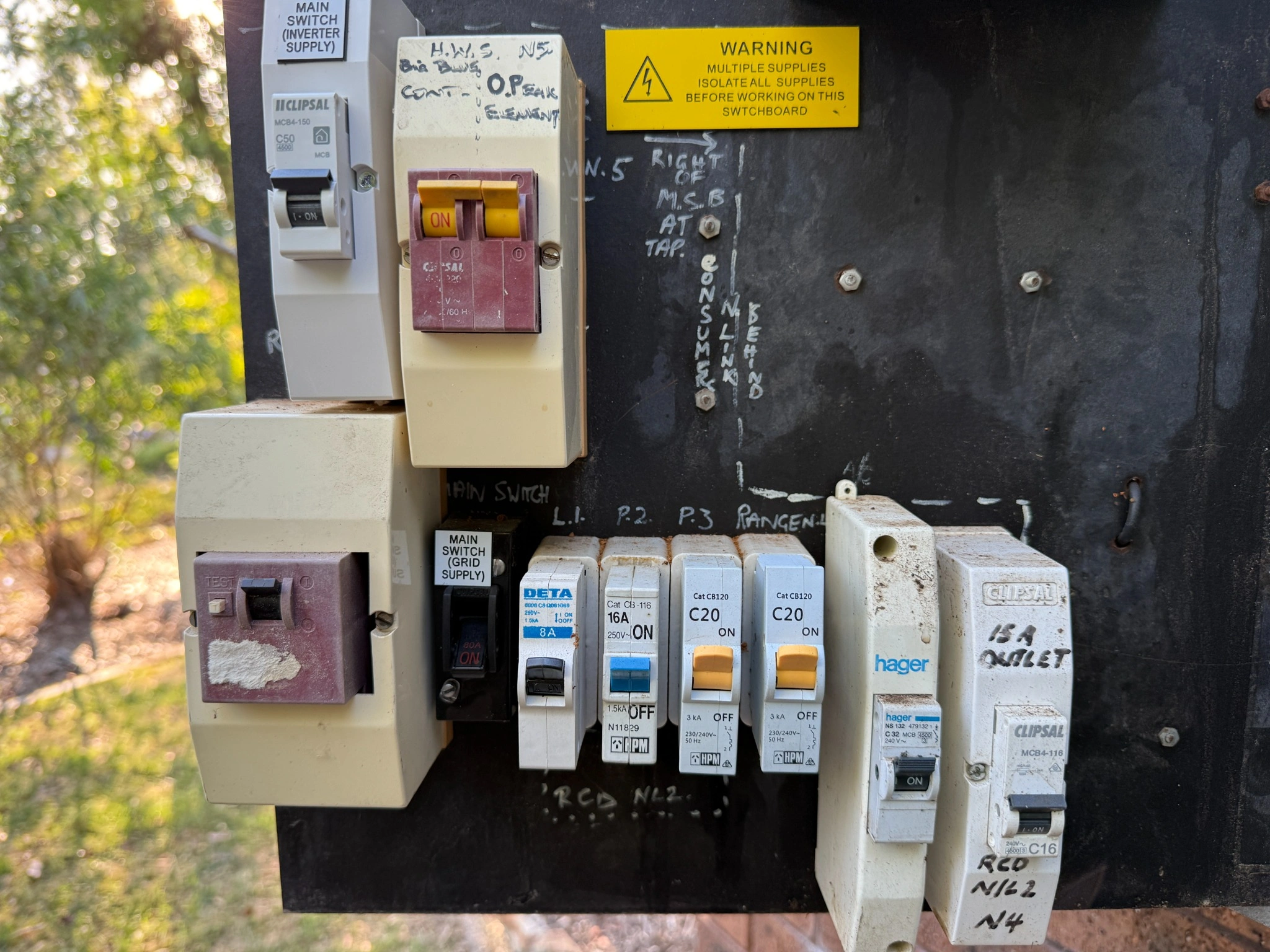
Not every home needs a completely new switchboard for solar or EV charging, but there are clear situations where some level of upgrade becomes essential for safety, compliance and performance. Electrical professionals help homeowners determine whether the existing board can support the proposed system or whether it is already at its practical limit.
A licensed electrician should always make the final assessment. Still, there are several common warning signs and technical triggers that usually indicate when an upgrade is no longer optional.
Age is one of the strongest indicators that a switchboard may need attention before solar or EV charging is added.
Many homes still have:
These older boards were not designed for the continuous loads associated with EV charging or the connection requirements of modern solar systems. They also often lack the space needed for new circuits, updated labelling and newer protective devices. If the switchboard contains ceramic fuses or shows obvious signs of corrosion, discolouration or heat damage, at least a partial upgrade is usually required before new equipment is connected.
Solar inverters and EV chargers need dedicated circuits sized correctly for their load and installation requirements. A modern EV charger may require a substantial circuit rating, and a residential solar inverter may also require additional switchboard capacity depending on the size and configuration of the system.
An upgrade is commonly needed when:
In some situations, Fraser Electrical may be able to reconfigure the switchboard layout or remove redundant circuits. If that still does not provide a safe and compliant result, the next step is usually a larger or replacement board that can support both current electrical needs and future additions.
Modern installations rely on appropriate protective devices working together throughout the switchboard. Solar and EV infrastructure must integrate safely with that protection system.
A switchboard upgrade may be necessary when:
Upgrading the board allows the installation of suitable protection, clearer circuit identification and a more organised layout. This improves safety for the occupants and also helps protect solar and EV equipment from electrical faults and avoidable damage.
Homeowners planning solar or EV charging often find that the biggest issue is not the new equipment itself, but whether the existing switchboard and supply arrangement meet current rules. Compliance is not optional. If the installation is not carried out to the relevant standard, it can create safety risks, affect insurance outcomes and delay approval for connection.
Electricians assess both the switchboard’s capacity and whether the overall installation complies with current Australian standards and local network requirements. In some homes, only minor upgrades are needed. In others, Level 2 electrical work may be required before the project can proceed.
For any solar or EV installation, a licensed electrician must assess whether the switchboard and supply arrangement comply with current wiring rules and local distributor requirements. Typical checks include:
Solar systems may also require additional space in the switchboard for protection and isolation equipment. If there is no room, or if the enclosure is too old or damaged to modify safely, replacing the switchboard may be the most practical way to achieve a compliant installation.
In NSW, Level 2 electricians are authorised to carry out certain work on the supply side of the installation. This becomes relevant when the proposed upgrade affects the connection to the street network, rather than only wiring within the home.
Common situations where Level 2 involvement may be required include:
Where Level 2 work is needed, the relevant network provider must approve the changes and the authorised electrician must complete the required connection and testing process before the new equipment can be energised.
During a site assessment, electricians look for indicators that Level 2 work is likely to be needed. These may include frequent tripping when major appliances run together, a very small or outdated main switch rating, ageing overhead service cables that appear undersized for the proposed load and metre panels that no longer meet current network requirements.
When these issues are identified early, it is often more practical and cost-effective to deal with supply upgrades and any required switchboard compliance work as part of one coordinated project rather than trying to add solar or EV charging to an already marginal installation.
Before solar panels or an EV charger can be installed, the most important step is making sure the home’s electrical system is ready. This preparation helps avoid delays, unexpected costs and safety issues on installation day. Fraser Electrical helps homeowners understand what needs to be checked, upgraded or improved so the installation can proceed more smoothly.
Most of the preparation centres around the main switchboard, where the new solar and EV charging circuits will connect. A clear, safe and compliant switchboard gives the installation team safe and practical access to work and helps ensure the new equipment can operate without overloading the system.
The first question is whether the existing switchboard can safely support the proposed changes. Solar usually requires dedicated protection and isolation arrangements, while EV chargers can draw substantial current for long periods and expose weaknesses in older boards.
Fraser Electrical typically checks:
Homes with old fuse boards or a mix of ceramic fuses and ageing breakers will often need upgrading to a modern enclosure with more suitable protection. Addressing these issues before installation helps prevent nuisance tripping and avoids rushed upgrade work later.
Modern solar and EV systems depend on correct earthing and suitable safety devices to protect both people and equipment. During preparation, Fraser Electrical checks that the property has effective earthing and appropriate protection on the circuits that will be affected by the upgrade.
If the home has limited or outdated residual current protection, this may need to be improved as part of the work. In some cases, older breakers are replaced with RCBOs or other suitable devices to better align with current requirements. Earthing connections may also need attention where corrosion, deterioration or damage is found.
Surge protection and smoke alarms may also be considered during this stage. While they are not the same as switchboard capacity upgrades, they can improve the overall safety and resilience of the electrical system, especially in areas affected by storms or network fluctuations.
Everything outlined above comes back to one simple point: the switchboard sits at the heart of whether a home can safely and reliably support solar generation and EV charging. Treating it as an important part of the planning process rather than an afterthought gives homeowners greater control over safety, cost and future flexibility.
By having a qualified electrician assess the existing installation, review realistic solar and EV charging demands and recommend any necessary upgrades, homeowners can reduce the risk of delays, avoid unnecessary costs and prepare the property for future additions such as battery storage or faster charging. A well-planned switchboard upgrade does more than make one project possible. It helps create a safer and more adaptable electrical system for years to come.

