Licence No. 387609C
A home’s electrical system quietly works in the background every day, yet it has more impact on safety, comfort and running costs than many people realise. As families add more devices, appliances and technology, older wiring and outdated switchboards can start to struggle. In some homes this leads to nuisance tripping and flickering lights. In others it can develop into serious fire risks or persistent power issues that drive up expenses and frustration. Understanding when an electrical system is no longer keeping up is essential for protecting people's property and day-to-day convenience.
In this article, Fraser Electrical explores the common warning signs that an electrical system may need upgrading, what typically causes these problems and how modern solutions can improve safety and efficiency. Readers will learn how to spot symptoms such as overloaded circuits, ageing wiring and insufficient power capacity, what these issues mean in practical terms and why leaving them unaddressed can be costly. By the end homeowners will have clearer insight into when it is time to call in a qualified electrician to discuss upgrade options and make informed decisions about the future of their home’s electrical infrastructure.
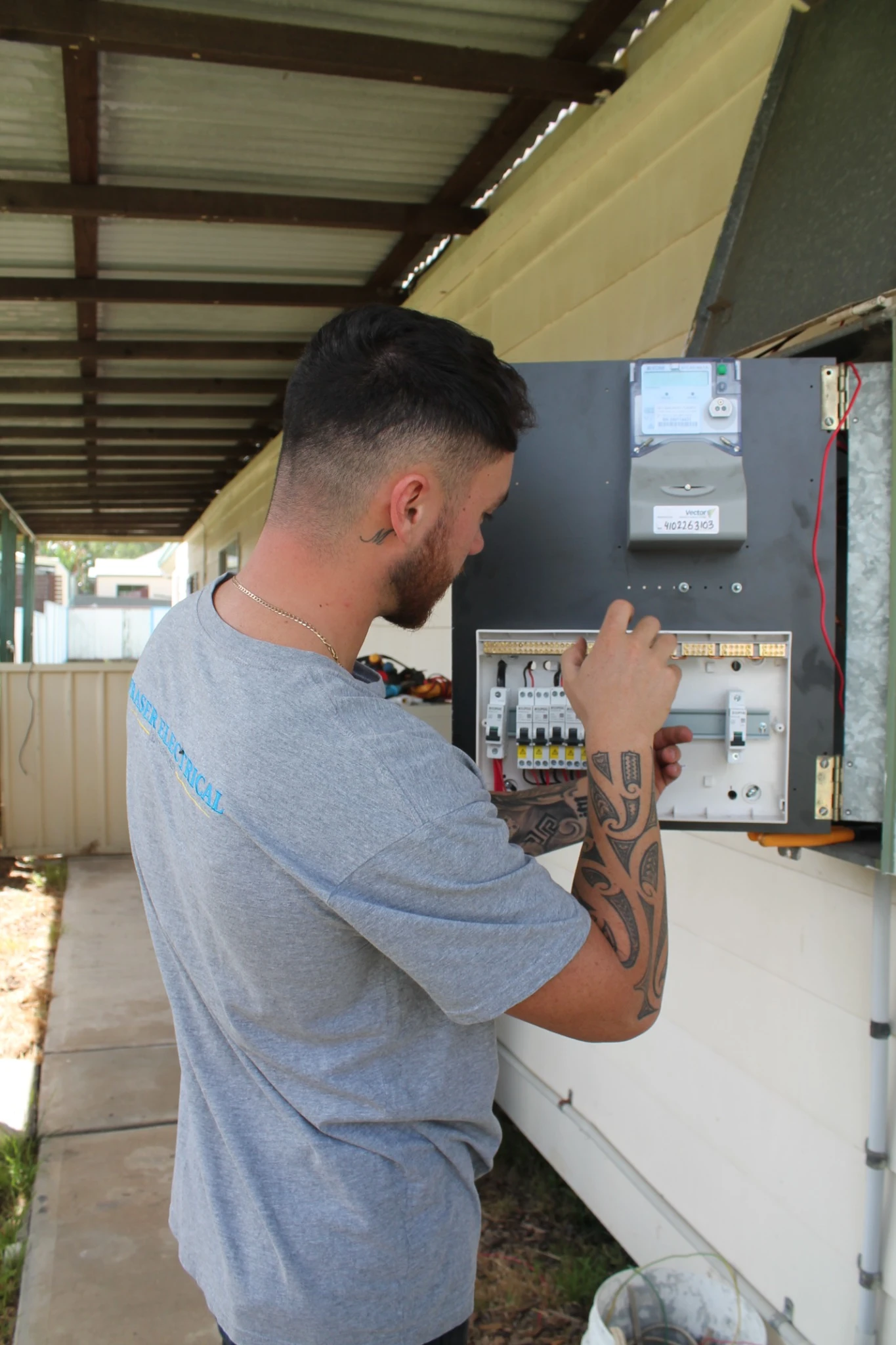
Older electrical systems were designed for a very different way of living. They were installed when homes had fewer appliances, lower overall power demand and far less sensitive electronics. Understanding what these systems were originally built to handle helps explain why they can struggle with modern loads and why upgrades are often necessary.
Licensed electricians often find that ageing wiring and panels are still doing what they were meant to do, but the home has simply outgrown them. The issue is not just age but a mismatch between yesterday’s design and today’s technology-heavy lifestyle.
Homes built several decades ago were usually sized around basic lighting and a handful of appliances. A typical older home might have been planned for items such as a refrigerator, an electric oven or cooktop, a washing machine, a clothes dryer and maybe a single TV.
At that time most rooms had only one or two outlets because homeowners were not running multiple chargers, computers, game consoles and space heaters. Central air conditioning was less common and electric vehicle chargers did not exist in residential design. As a result, main service sizes like 60 amp or 100 amp panels were considered perfectly adequate.
Today a similar home may have multiple large kitchen appliances, a high-capacity HVAC system, several televisions, home office equipment and a wide range of smart devices. The original system was never intended to carry this cumulative load, which is why lights dimming, breakers tripping or warm outlets become more common in older properties.
Many older homes still rely on wiring methods that reflected best practice at the time. Knob and tube or early cloth-covered cable was designed to be spaced apart from insulation to help heat dissipate. Over the years insulation upgrades and renovations often buried this wiring, which it was never designed to tolerate.
Early electrical systems were also built around fewer safety devices. Fuse boxes and small breaker panels were sized for minimal circuits serving large parts of the home. Ground fault circuit interrupter protection in bathrooms, kitchens or outdoor areas was not standard. Many older receptacles lack a proper ground because the original design assumed only simple two-prong appliances.
From an engineering standpoint these systems were reasonably safe for their era because they matched the loads and usage patterns of the time. Once higher wattage appliances and sensitive electronics are added, the old protective measures and conductor sizes may no longer provide appropriate safety margins.
When professional electricians evaluate an older system, the team looks at the assumptions the original installer made. Those often included shorter daily use of appliances, fewer devices operating at once and minimal high-demand equipment such as hot tubs, EV chargers or workshop tools.
Lighting circuits were laid out assuming incandescent bulbs, which drew more power but were fewer in number. Outlet spacing followed older codes that did not anticipate homeowners plugging multiple multi-way adaptors and power strips into a single receptacle. The panel layout was based on a simpler floor plan with fewer future additions.
As families add extensions, finished basements, home offices or outdoor living spaces, they stretch an electrical system that was never intended to be expanded so heavily. Recognising that an older system was correctly built for a smaller, less demanding household is often the first step in deciding that an upgrade is no longer optional but necessary for both safety and convenience.
Homeowners often notice small annoyances with their power long before a serious electrical problem appears. Those annoyances are usually the first warning signs that an electrical system is overloaded, outdated or developing faults. Recognising these signs early helps prevent damage to appliances, avoids inconvenient outages and reduces the risk of fire or electric shock.
It is important to pay attention to changes in how lights, outlets and breakers behave. If something feels “off” with the power in the home, it is usually worth a professional inspection rather than ignoring it or trying quick fixes at the surface.
Circuit breakers are designed to trip when a circuit is overloaded or when a fault is detected. If one breaker trips occasionally after plugging in several heavy appliances at once, it may not be cause for concern. However, repeated tripping is a strong sign that the system is struggling.
Common examples include a breaker that cuts out most times a space heater or portable air conditioner is turned on or a kitchen circuit that trips when the microwave and toaster run together. This usually means:
When resetting breakers becomes a routine task, it is time to have a licensed residential electrician in Central Coast assess the panel size and circuit layout.
Lighting is often the most visible sign of electrical stress. If lights dim every time a large appliance starts, such as a heat pump, clothes dryer or oven, the supply to that circuit may be near its limit. One room flickering occasionally might point to a single loose bulb or faulty fixture, but more widespread or regular flickering suggests a wiring or panel problem.
Buzzing or humming from light switches, recessed lights or dimmers is another warning sign. Older dimmer switches in particular may not be compatible with modern LED lamps and can overheat. Warm or discoloured switch plates or fixtures should never be ignored, as they can indicate dangerous heat buildup behind the wall.
Normal outlets and switches should never feel hot to the touch. Slight warmth from a heavily used power board is one thing, but an outlet that feels hot or appears brown or yellow around the slots may signal failing connections or overloaded wiring inside the wall.
A persistent burning smell, especially near the panel, outlets or light fittings, is more urgent. Homeowners may notice a faint “fishy” or plastic smell when circuits are in use. This can indicate melting insulation or electrical arcing. In that situation, the affected circuit should be turned off if it can be safely identified and an urgent electrical inspection arranged.
If every room relies on multiway adaptors and extension leads, the electrical system is not keeping up with modern needs. While quality surge-protected power boards have their place, they are not a substitute for permanent wiring. Overloaded power boards, coiled extension cords under rugs or daisy-chained adaptors increase heat and fire risk.
A shortage of outlets often goes hand in hand with an older panel and older wiring that were never designed for today’s devices. Upgrading circuits and adding outlets where power is actually used is a safer long-term solution than stacking more adaptors onto an already strained system.
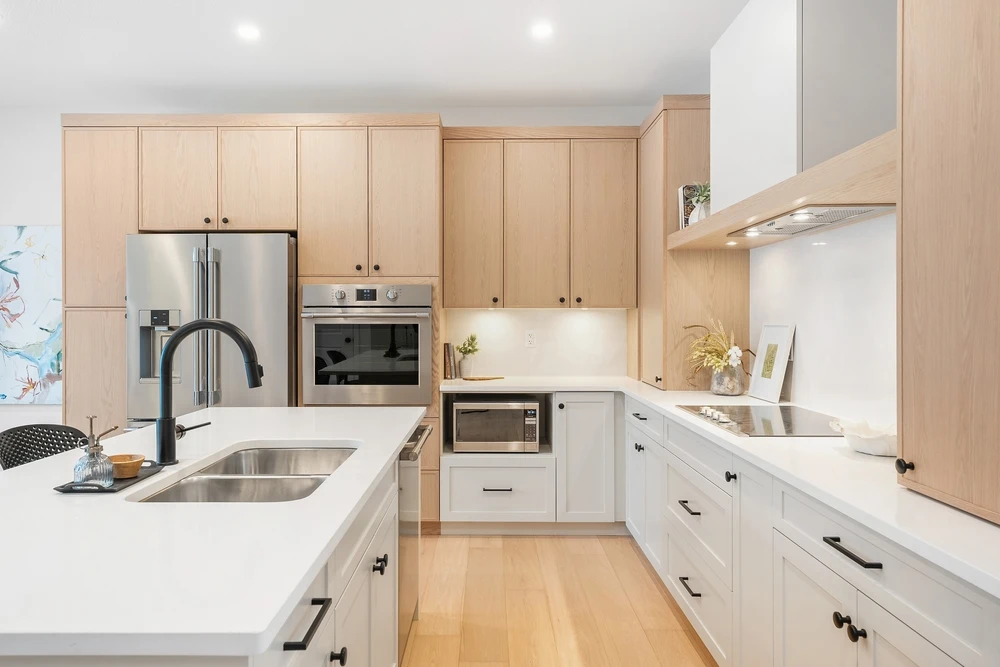
Many homes still rely on electrical systems designed decades ago, long before today’s plugged-in lifestyle. As a result, the original wiring, panels and circuits are often working at or beyond what they were ever intended to handle. This is one of the main reasons homeowners start noticing tripped breakers, warm outlets or dimming lights when several appliances run at once.
Experienced electricians often find that the issue is not a single faulty device but a system that is undersized for current habits. Understanding how modern living has changed electrical demand helps explain why an upgrade becomes necessary, even if the home itself looks unchanged.
Older homes were typically wired when families had a few lights, a refrigerator, a TV and maybe a window air conditioner. A 60 to 100 amp service was common and usually sufficient. Today it is normal for a home to have:
Each device adds to the total load on the panel. When too many are used on the same circuit breakers, they trip more frequently. In more serious cases wires and connections heat up, which can damage insulation and increase fire risk. Licensed electricians often see older circuits that were never intended to support several high‑demand appliances running at the same time.
Modern comfort expectations also drive electrical demand much higher. Instead of a single window unit, many homes now have central air conditioning heat pumps or multiple split systems. Electric tank or tankless water heaters, spas and pool equipment all require dedicated circuits and significant capacity.
Kitchen upgrades are another pressure point. Induction cooktops, double ovens and large refrigerators draw far more power than the simple ranges and fridges of the past. If these are added to an existing panel without a capacity check, the system can be overloaded even if it technically works for a while. Electricians often find that homes which have been gradually modernised with new appliances still rely on the original service size. In those cases the cumulative load is the problem, not any single upgrade.
New technologies can quickly outgrow older electrical systems. Electric vehicle chargers typically need a 40 to 60 amp circuit by themselves. Home offices with network gear and servers or home workshops with compressors and saws can also place heavy ongoing demand on specific circuits.
Smart home equipment and LED lighting use relatively little power individually, yet they encourage more devices to be installed throughout the property. Over time this can lead to crowded panels with no spare breaker spaces and creative but unsafe additions like double‑tapped breakers.
By comparing current and planned equipment with the home’s service size and panel capacity, licensed electricians can determine if the existing system has room to grow or if an upgrade is needed to safely support modern and future electrical use.
Homeowners usually start thinking about an electrical upgrade when something feels “off” with their power, such as frequent tripping, dimming lights or new appliances that never seem to run quite right. An upgrade becomes necessary when the existing system can no longer safely or reliably meet the household’s electrical demand or when it no longer meets current safety standards.
It is important to look at a combination of everyday symptoms and technical red flags. Some issues point to the need for targeted repairs, but others clearly indicate it is time to replace panels, circuits or sections of wiring.
One of the strongest indicators that an upgrade is needed is repeated overloading of circuits. Occasional tripping can be normal, but consistent problems mean the system is under strain.
If any of the following are regular occurrences, it usually signals a capacity problem rather than a minor fault:
An overloaded system is not just inconvenient. Excess heat in wiring and connections significantly increases fire risk. In these cases, most licensed electricians will often recommend a main service upgrade to a higher amperage panel combined with additional dedicated circuits for heavy‑load appliances.
Even if everything appears to be working fine, an upgrade may be necessary due to age or outdated equipment. Many older homes were wired when a 30 or 60 amp service was standard and there were far fewer appliances in daily use.
Panels or wiring that typically trigger an upgrade recommendation include:
These systems often lack proper earthing and modern protective devices such as RCDs and AFCIs. Even if there has not yet been a major issue, they do not meet current safety expectations and may cause insurance or property sale problems.
A home that was electrically adequate 10 years ago may now be undersized simply because of lifestyle changes. Renovations or new equipment often push older systems beyond their original design.
Common triggers for an upgrade include:
When new loads are added without assessing the main service size or panel space, the result is often a patchwork of extensions and multi‑way adaptors. Professional electricians evaluate the total connected load and available capacity, then recommend whether a full service upgrade, a new sub‑panel or simply additional circuits are required to safely support the way the home is now used.
In the end, knowing whether your home’s electrical system needs an upgrade comes down to paying attention to the small warning signs before they become big, expensive or dangerous problems. Frequent breaker trips, flickering lights, outdated panels, warm outlets or switches, a shortage of sockets and the growing demands of modern appliances and technology all point to a system that may be working beyond its safe capacity.
An older home that’s never had a proper electrical assessment is especially at risk, even if everything appears to “work fine” on the surface. The safest and most cost‑effective approach is to be proactive: schedule a professional inspection, discuss your current and future power needs and plan upgrades that not only meet code but also give you room to grow. By investing in a safe, properly sized and professionally installed electrical system now, you protect your family, safeguard your property, improve everyday convenience and enhance the long‑term value of your home.

