Licence No. 387609C
The demands placed on residential electrical systems are increasing as Australian homes adopt electric vehicle chargers, larger air conditioning systems, home workshops and all-electric appliances. While most properties operate efficiently on standard single-phase power, there are situations where additional capacity may be required.
This is where advice from a qualified level 2 electrician on the Central Coast can be invaluable. Fraser Electrical regularly assists homeowners in assessing whether their existing electrical supply can support current and future demands and whether an upgrade to the incoming supply may be required.
This article explains how single-phase and three-phase power differ, the household upgrades that can increase electricity demand, the situations where three-phase power may be beneficial and the practical steps involved in evaluating and planning an upgrade.
Single-phase and three-phase power describe how electricity is delivered from the grid into a property. The key difference is the number of active supply lines carrying power and the way electricity is delivered to appliances and equipment. This affects the available capacity and the types of loads that can be supported efficiently.
In most standard homes, single-phase power is sufficient for everyday lighting, power points and typical appliances. Three-phase power is generally used where additional capacity is required or where certain high-demand equipment has been designed to operate on a three-phase supply.
Single-phase power commonly uses one active conductor and one neutral. This typically provides a nominal 230 volts between the active conductor and neutral. Power delivery fluctuates in a repeating wave, but this is not usually noticeable when normal household appliances are operating.
Single-phase supply is common in suburban homes and smaller dwellings. It can comfortably support:
Single-phase supply may require further assessment when several high-demand appliances are expected to operate at the same time. Frequent circuit breaker tripping, noticeable dimming when large appliances start or other performance issues can indicate that the electrical system needs to be checked.
These signs do not automatically mean that three-phase power is required. They may also be caused by overloaded circuits, poor connections, ageing switchboard components or electrical faults that need attention.
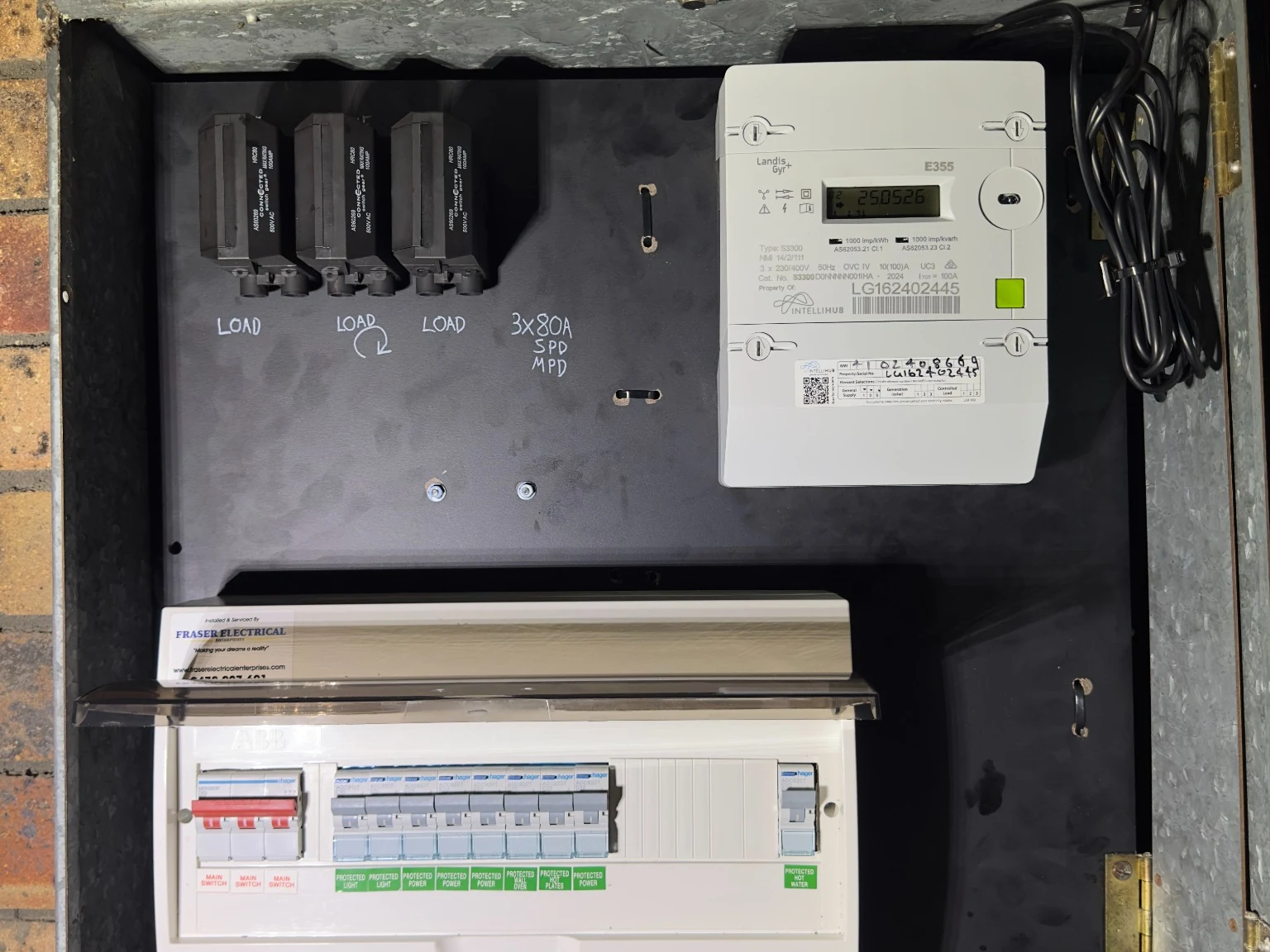
Three-phase power commonly uses three active conductors and one neutral. Each active conductor carries power in a wave that is offset from the others. This creates a more consistent supply and provides greater capacity for properties with higher electrical demands.
Three-phase supply can still provide a nominal 230 volts to standard household circuits. It can also support equipment designed to operate on a higher-capacity three-phase connection.
The available load can be distributed across the phases so that one phase is not carrying an excessive share of the demand. This can be useful for:
Three-phase supply can also be better suited to larger motors and machinery designed for three-phase operation. This equipment may start more smoothly and place less strain on the electrical system than an equivalent high-demand single-phase load.
The difference most homeowners notice is capacity. Three-phase power provides more available capacity to a property, allowing several high-demand loads to operate at the same time without placing excessive pressure on a single-phase supply.
Single-phase installations are usually simpler and less expensive to connect and meter. A three-phase installation may involve changes to the incoming supply, switchboard, protective devices, metering equipment and internal circuits. The cost will depend on the existing infrastructure and the work required at the property.
The appliances already installed and any planned additions will often determine which type of supply is appropriate. Some equipment is specifically designed for three-phase power, while other appliances are available in both single-phase and three-phase versions.
An upgrade should not be based on assumptions alone. A professional assessment can determine whether the existing supply remains adequate or whether additional capacity would provide a practical benefit.
Certain upgrades can push a home’s electrical system closer to its available capacity and prompt the need for an assessment. The most demanding changes usually involve heating and cooling, vehicle charging, high-performance appliances or workshop equipment.
Not every home improvement requires additional capacity. Lighting upgrades and most standard appliances can fit comfortably within a typical single-phase supply. The key is to identify additions that draw high current continuously or create a substantial load when starting.
Space heating, air conditioning and water heating are among the larger energy users in many homes. Replacing gas appliances with electric alternatives can increase the load placed on the electrical system.
Large ducted reverse-cycle systems, multi-head split systems and some older air conditioners can require considerable starting and running currents. When combined with existing appliances, these systems may push a single-phase supply closer to its practical capacity, particularly in larger homes.
Electric instantaneous hot water units can also draw substantial power and usually require dedicated circuits. In some properties, more than one unit may be installed to serve separate bathrooms or living areas. Large electric storage hot water systems can also contribute to the total demand when combined with other upgrades.
A load assessment can help determine whether the existing supply can support the planned equipment without unnecessary changes.
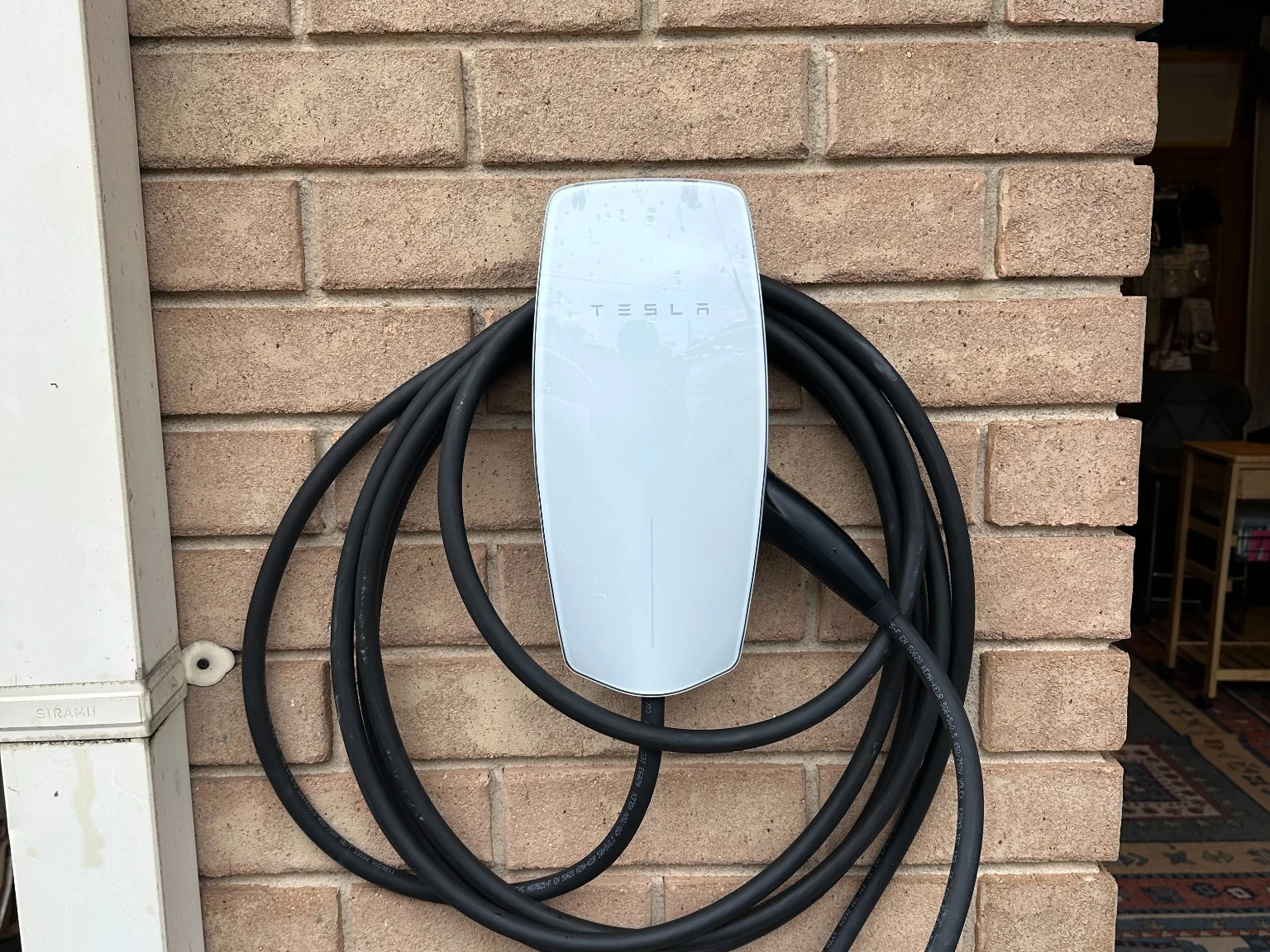
Electric vehicle charging is an increasingly common reason to reassess household electrical capacity. A portable charger connected to a standard power point draws a relatively modest amount of current but generally charges a vehicle slowly. A dedicated wall charger is typically hard-wired on its own circuit and can provide a faster charging rate.
A dedicated EV charger does not automatically require three-phase power. Many homes can support a suitable single-phase wall charger. However, higher-capacity chargers, including chargers rated at 11 kW or above, generally require a three-phase supply.
The appropriate charging option will depend on the vehicle, the existing switchboard, the available supply capacity and the other electrical loads operating at the property. Installing chargers for multiple vehicles can also justify a closer review of the home’s electrical requirements.
Home workshops can create significant demand as well. Equipment such as large air compressors, welders, table saws, thicknessers, vehicle hoists and metalworking machinery may need high starting currents or extended periods of high-load operation.
Some heavier tools are designed specifically for three-phase power. Even single-phase models can place pressure on a system that is already supporting household appliances, hot water and climate control.
A kitchen renovation can change the way electricity is used throughout a home. Large induction cooktops, double ovens, steam ovens and other appliances may require dedicated circuits. When several appliances operate together during entertaining or meal preparation, the combined load can be substantial.
Lifestyle additions can also contribute to electricity demand. These may include:
These additions do not necessarily mean that three-phase power is required. However, when they are combined with expanded indoor loads, EV charging or an all-electric renovation, it is worth reviewing whether the existing supply remains suitable.
Where these additions are part of a broader renovation, it is also worth reviewing these common electrical wiring mistakes.
Single-phase power is entirely adequate for many homes. It can reliably run everyday appliances, lighting and typical heating or cooling systems when household demand is moderate and the installation is in good condition.
Upgrading to three-phase power is not always necessary or cost-effective. If the property does not have unusually large electrical loads and high-demand appliances can be scheduled sensibly, the existing supply may continue to provide sufficient capacity.
A typical home with common appliances will often operate comfortably on single-phase power. This may include:
If these loads are distributed appropriately across the circuits and the switchboard is in suitable condition, single-phase supply will usually provide enough capacity.
Occasional minor changes in lighting when large appliances start may occur in some homes. However, persistent dimming, frequent circuit breaker tripping or unusual switchboard noises should be assessed rather than accepted as normal.
Single-phase power is often sufficient where there are no unusually large individual loads and not too many high-demand appliances are operating at the same time.
It may remain suitable for:
Smart timers, load-management systems and suitable EV charger settings can help keep household demand within the available capacity without affecting day-to-day comfort.
Smaller homes and energy-conscious households are often well suited to single-phase power. Examples include:
The total demand may be lower in these homes, allowing a standard single-phase connection to continue providing sufficient capacity.
Three-phase power is not automatically better than single-phase power. The decision depends on whether the property’s current and future electrical demand justifies the additional capacity and the cost of an upgrade.
It becomes worth considering when several high-demand additions are planned, when the household is converting to all-electric appliances or when equipment specifically requires a three-phase connection.
A professional load assessment is important because the presence of one large appliance does not necessarily mean that the supply needs to be upgraded.
Three-phase power may be beneficial where several substantial electrical loads are expected to operate at the same time. Examples include:
Where several of these loads operate together, the total current draw may approach the available capacity of a single-phase supply. Three-phase power allows the load to be distributed across multiple active conductors and may reduce the likelihood of capacity-related issues.
Three-phase power can also be relevant when a property includes a serious workshop or a home-based business that relies on machinery. Woodworking, metalworking and automotive equipment often use larger motors and may place substantial pressure on a single-phase supply.
Common reasons to consider three-phase power for a workshop include:
The distance between the home and a separate shed or outbuilding should also be considered. Long cable runs and high-demand equipment require careful planning to reduce voltage-drop issues and ensure the installation is suitable for its intended use.
Even if the current demand is moderate, three-phase power may be worth considering as part of a long-term plan. This is particularly relevant when:
The existing supply type can affect the design and approval process for a larger solar or battery system. Three-phase power may provide more flexibility for distributing generation across the phases, but allowable inverter capacity and export arrangements depend on the electricity distributor and the property.
The proposed system should be assessed before an upgrade is recommended.
Before committing to three-phase power, it is important to confirm the existing supply and consider whether an upgrade is actually necessary. A clear understanding of current and planned electrical demand can help avoid unnecessary work and unexpected costs.
The first step is to confirm the type of supply entering the property. This may be possible through a visual check of the switchboard or electricity meter, but the layout can vary depending on the age and design of the installation.
A single main switch may indicate a single-phase supply, while a linked three-pole main switch may indicate three-phase power. Some switchboards also include labels identifying the type of supply or the circuits connected across different phases.
However, a visual check is not always conclusive. Homeowners should not remove switchboard covers, touch wiring or attempt to inspect incoming service cables. A licensed electrician or the electricity distributor can confirm the supply type and available capacity.
Once the supply type is known, the next step is to compare it with the home’s current and planned electrical loads.
Consider:
Frequent circuit breaker tripping or noticeable dimming when large appliances start can indicate that the system needs to be reviewed. A warm, buzzing or sparking switchboard should be treated as a potential safety issue and assessed promptly by a licensed electrician.
A professional load assessment can calculate the expected demand and account for the way different appliances are used. This helps determine whether the existing supply can continue to operate reliably or whether three-phase capacity would provide a practical benefit.
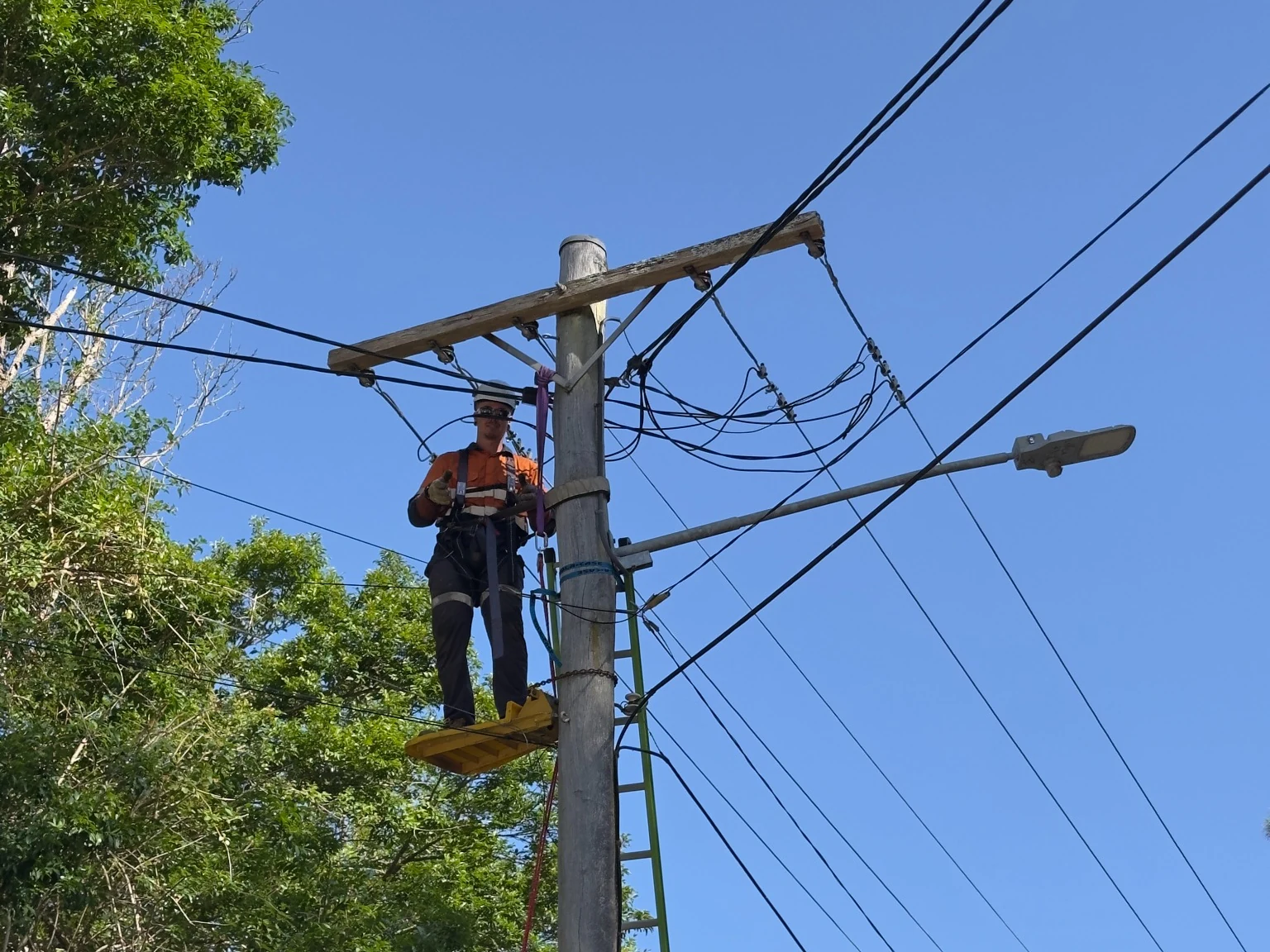
If an upgrade is recommended, proper planning can help avoid delays and unnecessary rework.
Where changes to the incoming supply are required, the NSW Government provides further information about installing or altering the electricity supply to a property, including when an Accredited Service Provider may be needed.
A licensed electrician and, where required, an appropriately authorised Level 2 Accredited Service Provider can:
Property owners who need changes to the incoming supply may also benefit from understanding what to expect from a Level 2 electrician, particularly where metering, service lines or network connections need to be upgraded.
In some cases, the service line, point of attachment or other incoming supply infrastructure may also require modification. Considering these requirements early can help establish a realistic scope of work and reduce delays during a renovation or equipment installation.
Choosing between single-phase and three-phase power is a matter of matching the electrical supply to the property’s current and future requirements. Many homes continue to operate comfortably on single-phase power, particularly when electrical loads are moderate and well managed.
However, larger homes, all-electric households, higher-capacity EV charging, substantial workshops and major future expansions can create demands that make additional capacity worthwhile.
Rather than assuming that an upgrade is necessary, homeowners should assess actual load requirements, existing infrastructure and long-term plans. If you are considering an EV charger, larger air conditioning system, all-electric renovation or home workshop, Fraser Electrical can assess your existing supply and explain whether single-phase power remains suitable or a three-phase upgrade should be considered.

