Licence No. 387609C
Electrical problems rarely fix themselves. What starts as a minor annoyance can quickly become a serious safety risk, especially when flickering lights, warm power points, burning smells or repeated circuit breaker trips are involved. Fraser Electrical sees how small warning signs can point to deeper faults within a home or workplace electrical system.
In this article, Fraser Electrical explains the most common electrical issues that should never be ignored, why they occur and what they can mean for the safety and reliability of a property. It also outlines how to recognise early red flags in wiring, switchboards, circuits and power points, so property owners can make a more informed decision about when to call a qualified emergency electrician on the Central Coast.
Flickering or dimming lights often signal an underlying electrical problem rather than a simple annoyance. Occasional brief flickers can happen when large appliances switch on, but regular or unexplained changes in light level should always be treated as a warning sign.
Persistent flickering can point to loose wiring, overloaded circuits or issues with the electrical service connection. These faults can increase the risk of overheating, power instability and damage to sensitive electronic equipment.
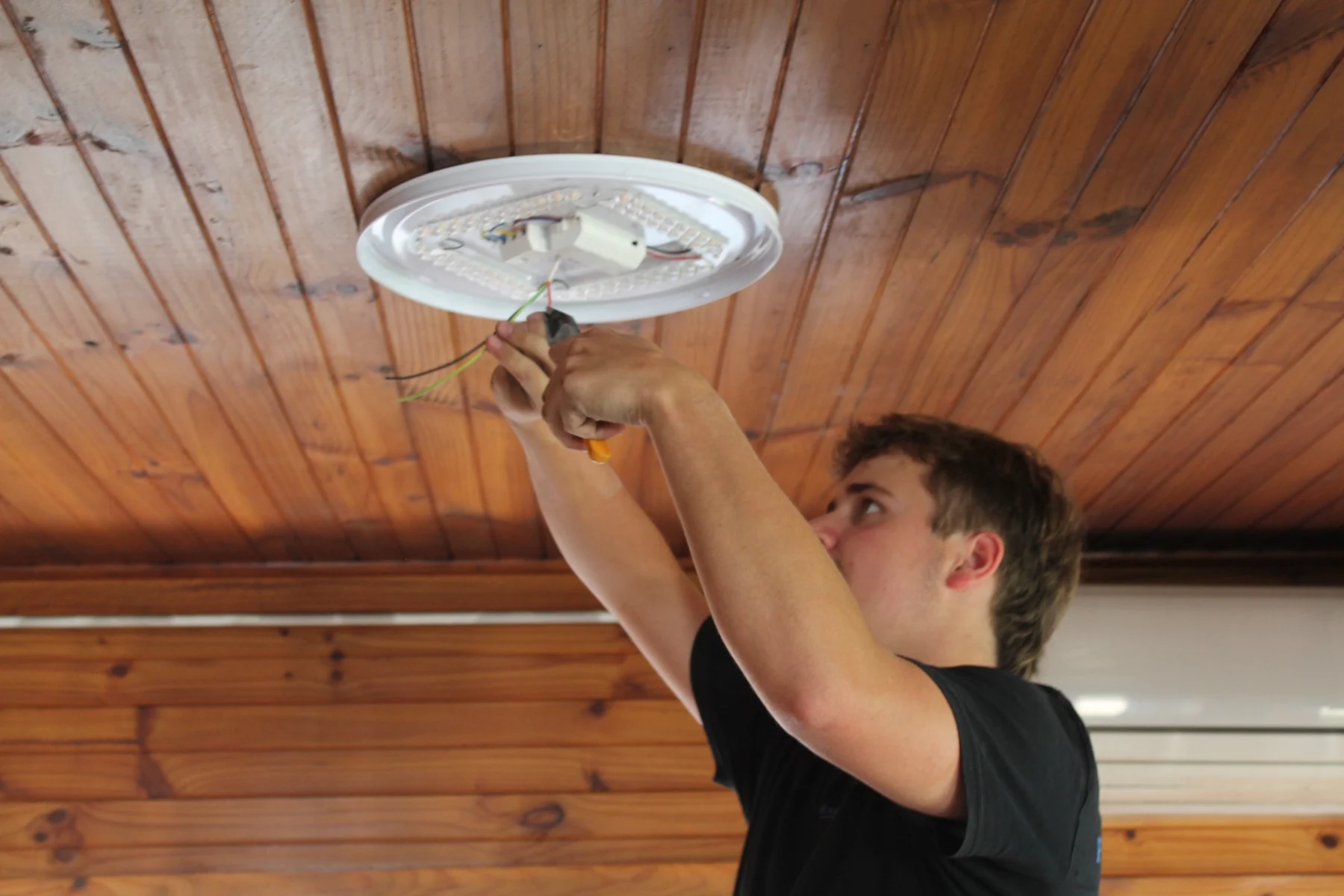
A light that flickers in only one fitting may have a simple cause, such as a loose bulb, an incompatible dimmer or a failing light fixture. If tightening or replacing the bulb does not solve the issue, the fault may be within the fitting or its wiring and should be checked by a licensed electrician.
Flickering that affects several lights on the same circuit often suggests a circuit-level problem. Common causes include:
When lights dim noticeably as a kettle, heater, air conditioner or other high-demand appliance starts, the circuit or overall supply may be close to capacity. Repeated dimming under load can indicate that wiring, circuit protection or the switchboard needs assessment.
Certain flickering patterns point to more serious faults. Lights that flicker throughout the property, change brightness randomly or vary in intensity from room to room may indicate an issue with the main neutral connection, incoming supply or switchboard.
Poor or loose connections at this level can create voltage fluctuations. These faults are more serious because they can affect multiple circuits and increase the risk of overheating, fire and equipment damage.
Simple checks, such as confirming bulbs are tight and compatible with the fitting or dimmer, can be done safely by the occupant. If flickering or dimming continues after these basic checks, or if it affects several areas, it should not be ignored.
Professional inspection is important when lights have worsened over time, circuit breakers trip at the same time, new appliances have recently been added or the building has older wiring or a dated switchboard. An electrician can test for voltage drops, check connections and assess whether the electrical capacity is suitable for the property’s current demand.
A circuit breaker that keeps tripping is a clear warning that something is wrong with the electrical system. Breakers are designed to cut power when a circuit is overloaded or when a fault is detected. Ignoring repeated trips can increase the risk of overheating, damaged wiring and fire.
Resetting a breaker once after using too many appliances on the same circuit is common. However, a breaker that trips frequently or immediately after being reset should never be dismissed as a nuisance. Persistent tripping needs to be investigated to identify whether the issue is caused by circuit load, a specific appliance or the wiring itself.
Overloaded circuits are one of the most common causes. This occurs when too many high-demand devices, such as heaters, kettles, dryers or kitchen appliances, are used on the same circuit. The breaker disconnects the power to prevent the wiring from overheating.
Short circuits are more serious. A short circuit occurs when a live conductor contacts neutral or earth, creating a sudden surge of current. This can be caused by damaged cords, loose connections, crushed cables, moisture in outlets or faults inside fittings. Short circuits usually cause the breaker to trip instantly and may continue to trip when reset.
Some basic checks can help identify whether the issue is linked to an appliance or the circuit itself. Turn the breaker fully to the off position, then back on. If it trips immediately with nothing plugged in, there may be a wiring fault, breaker fault or hidden issue that needs professional attention.
If the breaker stays on, plug appliances back in one at a time and turn them on gradually. If a specific appliance causes the breaker to trip, that appliance or its cord may be faulty and should be unplugged until inspected or replaced. Avoid moving a problem appliance to another circuit to keep using it, as this simply shifts the risk elsewhere.
Warm or hot power points, faint burning smells and visible scorch marks are clear indicators that something is wrong with an electrical circuit. These are not cosmetic issues. They often signal overheating, poor contact, arcing or damaged components.
Any outlet or switch that feels unusually warm, discolours over time or is associated with a burning smell should be treated as urgent. Power should be turned off to the affected area if it is safe to do so, and a licensed electrician should be contacted to locate and correct the fault.
A slight warmth around a heavily used outlet can sometimes occur with high-demand appliances. However, the faceplate should never feel hot or uncomfortable to touch. Persistent or increasing heat usually points to:
If a power point is hot, unplug everything from it and avoid using it until it has been inspected. If the circuit breaker controlling that outlet is clearly labelled, switching that breaker off may reduce the risk while waiting for help.
A burning plastic or fishy smell without an obvious source is a serious warning sign. It can indicate overheating cable insulation, melting outlet components or arcing inside a switch, fitting or power point. These problems are often hidden behind walls or faceplates, so smell may be the only early clue.
Scorch marks, browning or yellowing around a power point, light switch or plug are visual signs of past overheating or arcing. Even if everything still works, the damaged area is more likely to fail again and may already have brittle insulation, weakened contacts or unsafe wiring.
Several habits can reduce the likelihood of warm power points and related damage. Avoid using double adaptors or overloaded power boards to run multiple high-wattage appliances from one outlet. Spread loads across different circuits where possible and arrange an upgrade if circuits regularly trip.
Correct installation and quality fittings also matter. Poor internal contacts can overheat faster under constant use. Regular electrical safety checks help identify loose terminals, overloaded circuits and ageing outlets before they become hot points, burning smells or scorch marks.
Unusual sounds from switches, sockets or the switchboard are often the first warning that something is wrong behind the surface. A healthy electrical system should operate quietly. Persistent buzzing, crackling or visible sparking should be treated as a fault that needs prompt attention.
These noises are usually caused by loose connections, worn components, damaged wiring or overloaded circuits. Left unresolved, they can damage appliances, trip circuits and, in the worst cases, start an electrical fire.
A faint electrical hum can sometimes occur around older transformers or some dimmer switches. However, obvious buzzing at a power point, light switch or switchboard is not normal. It can indicate a loose terminal or failing switch mechanism that allows electricity to jump across small gaps.
Crackling, sizzling or popping noises are more serious. These sounds can point to arcing, where electricity sparks through air or across damaged insulation. Arcing creates intense heat and can melt plastic fittings, scorch nearby materials and damage wiring.
Visible sparks when plugging in an appliance can occasionally happen, but repeated or large sparks should not be ignored. This is especially concerning when combined with heat, burning smells or a loose-fitting plug.
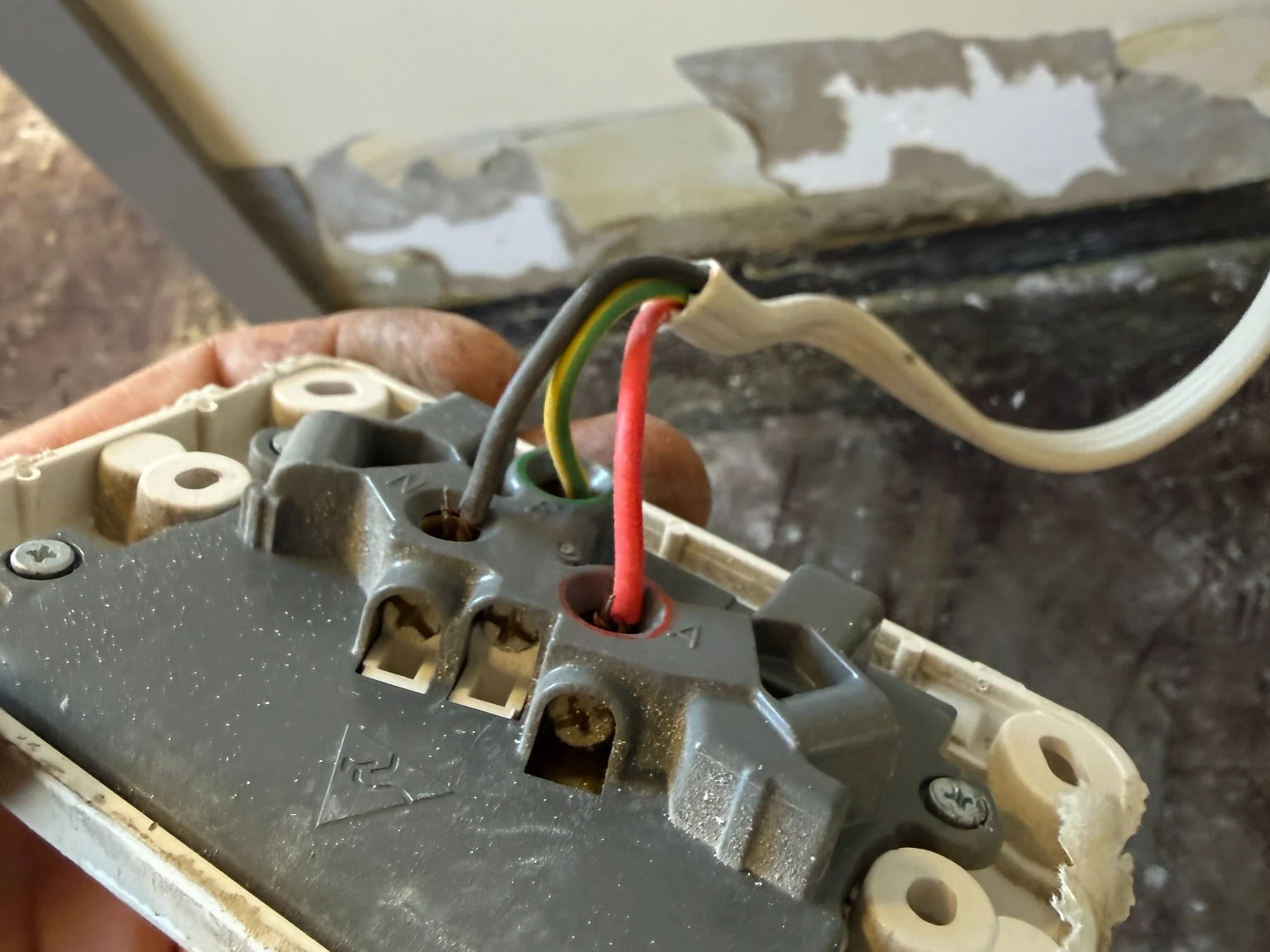
Most sound issues come back to poor contact where electricity should have a clean, stable path. Common causes include:
Rodent activity in ceiling spaces can also damage cabling, which may cause intermittent crackling as conductors move or touch.
If a specific outlet or switch is buzzing, sparking or crackling, stop using it immediately. Turn off the switch, unplug anything connected to that point if safe, and isolate the circuit at the switchboard where possible. Do not remove covers or attempt to tighten internal screws.
For noises coming from the switchboard, turn off the main switch if it can be done safely and contact a licensed electrician urgently. This is especially important if there is any smell of burning, visible smoke or heat around the board.
Any electric shock or tingling sensation from an appliance is a serious warning sign. Even a mild buzz when touching a metal casing, tap or switch plate can indicate a fault that may escalate quickly. This is not an issue to monitor or work around.
Electric shocks are usually caused by damaged wiring, faulty appliances, moisture or a problem with the earthing system. Identifying the cause and correcting it is essential for protecting people and property from the risk of electric shock or electrical fire.
A tingling feeling usually means electricity is leaking from an appliance or circuit and using the body as a path to earth. Common causes include:
In a correctly protected system, fault current should be directed safely to earth and a safety switch should operate. If tingling is felt instead, the earthing or safety protection may not be working as it should.
If any shock is felt from an appliance, metal fitting or tap, the appliance or circuit should be treated as unsafe until inspected. If it is safe to do so, turn the appliance off at the power point, unplug it using the plug rather than the cord and turn off the relevant circuit at the switchboard.
If the source is unclear, isolating the main power may be safer. If anyone receives a shock, loses consciousness, has burns or has ongoing symptoms, call emergency services immediately and seek medical assessment. Even shocks that seem minor can affect the heart.
Do not use the appliance again, attempt to repair it or continue using any adaptors, extension leads or power boards involved in the incident.
Partial power loss occurs when some sockets, lights or rooms lose electricity while others continue to work. This is more than an inconvenience. It can indicate overloaded circuits, failing connections or developing faults that may present a risk of overheating or fire.
Unlike a full local blackout, partial loss often points to an issue within the property’s electrical installation. Understanding which areas are affected and whether the issue is intermittent can help an electrician diagnose the fault more accurately.
One of the most common causes is a tripped circuit breaker or blown fuse affecting only one circuit. High demand from appliances such as kettles, heaters, dryers, ovens or hot water systems can overload a circuit, especially in older properties not designed for modern electrical loads.
Loose or damaged wiring is another major cause. Connections can loosen over time in switchboards, sockets, switches or junction boxes. This may lead to intermittent power loss, flickering lights or a burning smell from overheated terminals.
Other causes that need attention include:
A fault affecting one phase of supply can leave some parts of the property live and others without power, which can be especially hazardous.
Partial power loss becomes urgent when it is accompanied by burning smells, buzzing or crackling sounds, hot switch plates, warm power points or visible smoke. These signs suggest overheating or arcing and require immediate isolation of power if it is safe to do so.
Repeated tripping on the same circuit, unexplained outages in multiple rooms or power loss after water leaks, flooding or storm damage should also be treated as priority issues. In properties with vulnerable occupants, even limited power loss affecting heating, refrigeration or essential medical equipment may require urgent electrical assistance.
Old or deteriorated wiring is one of the most serious electrical issues in any property. Cracked insulation, loose connections or exposed conductors can lead to shocks, arcing and electrical fires, often with little warning. Any sign of ageing or damaged wiring should be inspected by a licensed electrician.
Many homes still rely on wiring installed decades ago. Electrical materials, safety devices and usage demands have changed over time, so wiring that was once considered acceptable may now be overloaded, outdated or worn out.
Older wiring types, including rubber-insulated or cloth-covered cable, can become brittle as insulation breaks down. In many older homes, circuits were not designed for high-demand appliances such as air conditioning, induction cooktops, pool equipment or multiple heaters operating at once.
As insulation hardens and cracks, live conductors may contact each other or nearby building materials. This can cause arcing, which produces intense heat in a small area and can ignite surrounding material. Loose or corroded connections at outlets, switches or in roof spaces can also generate excess heat.
Outdated wiring may also lack proper earthing or modern safety switch protection. In these situations, a fault is more likely to result in serious electric shock.
If old, damaged or exposed wiring is noticed, power to the affected circuit should be turned off at the switchboard if it is safe to do so. The wiring should not be touched, and temporary fixes such as tape or makeshift covers should be avoided.
A licensed electrician should inspect the installation, identify the extent of deterioration and recommend suitable repairs or rewiring. In many cases, only certain circuits need upgrading rather than the whole property, but this assessment must be carried out by a qualified professional familiar with current Australian standards and local requirements.
When an electrical problem is serious enough to call a professional, the time spent waiting should be used to keep people and property safe. The goal is to stabilise the situation, reduce immediate risk and avoid anything that could make the fault worse.
These steps are not a replacement for electrical repair. They are practical safety measures to follow while waiting for a licensed electrician or emergency services.
The first priority is to keep people away from the hazard. If an outlet, fitting or appliance is crackling, smoking or hot to the touch, it should be treated as live and dangerous even if it appears to have stopped.
Children, pets and anyone not needed to manage the situation should be moved away from the affected area. If sparks are visible or there is a smell of burning plastic or insulation, avoid touching nearby metal objects such as taps, sinks or appliance casings.
Doors to the affected room can be closed to help contain smoke or potential fire spread, but they should not be locked. Electricians or emergency services may need quick access.
If it is safe to reach the switchboard, turning off power can reduce the risk of fire and further damage. Stand on a dry surface and avoid touching the switchboard if there is water nearby, visible damage, smoke or heat.
If the problem is isolated to one circuit, turn off that circuit. If the source is unclear or the situation feels unstable, switch off the main switch to cut power to the property. Never keep resetting a breaker that continues to trip, as this can make the fault worse and increase the risk of overheating.
Avoid temporary workarounds such as running extension cords, power boards or alternative heaters from other circuits. These can overload other parts of the system and create a second hazard.
Electrical issues should never be treated as minor inconveniences when they keep happening or show signs of heat, noise, burning smells or power instability. Frequent breaker trips, buzzing outlets, flickering lights, warm switch plates, electric shocks and old or exposed wiring can all point to faults that may already be unsafe.
Taking these warning signs seriously helps reduce the risk of electric shock, equipment damage, fire and costly downtime. A licensed electrician can inspect the system properly, identify the cause of the fault and recommend repairs before a small problem becomes an emergency.

