Licence No. 387609C
Electrical emergencies can disrupt business operations without warning, from sudden power outages and flickering lights to burning smells and faulty switchboards. These issues can put employees and customers at risk, damage valuable equipment and stock and lead to costly downtime. Engaging an emergency electrician in Central Coast helps businesses address urgent electrical faults and prioritise safety before operations resume.
Fraser Electrical helps businesses respond to electrical problems by identifying hazards and arranging the necessary repairs. Recognising warning signs, protecting staff and customers and knowing when to evacuate can help businesses respond safely and limit disruption.
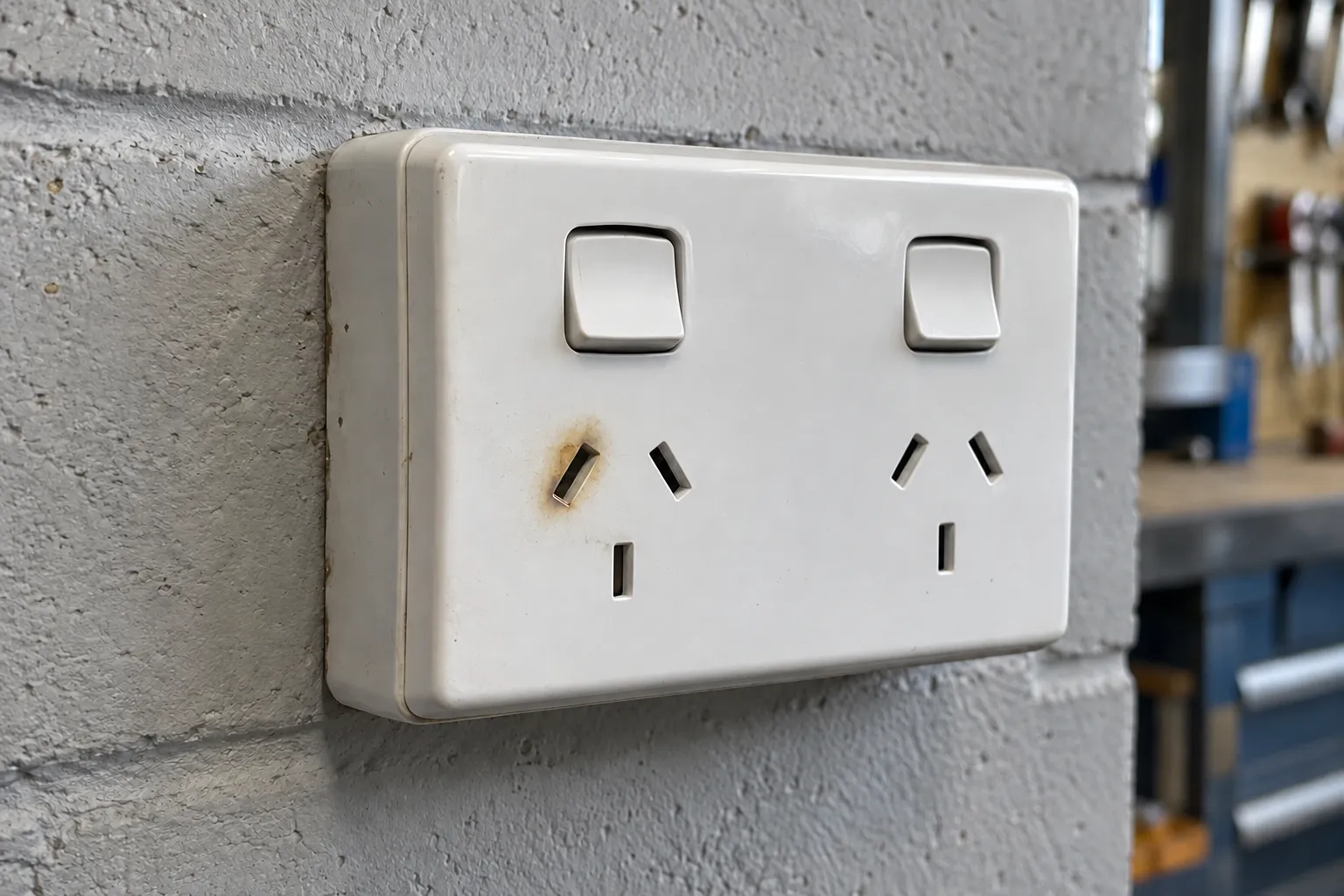
An electrical problem becomes an emergency when it threatens people's safety, risks property damage or disrupts critical business systems. While some electrical issues can be scheduled for maintenance, different warning signs require urgent attention.
SafeWork NSW provides guidance on managing electrical risks, including identifying hazards and keeping unsafe equipment out of use.
Signs of an electrical emergency include:
If there is smoke, fire, a serious electric shock or an immediate threat to life, evacuate the affected area and call 000. Keep away from damaged equipment and wet electrical areas. Isolate power only if it is safe and have an expert inspect the installation before using it again.
Electrical emergencies in commercial buildings can result from overloaded circuits, faulty equipment, damaged wiring, water ingress or deteriorating electrical systems. These problems can develop gradually or occur without warning, putting employees, customers, equipment and daily operations at risk.
Beware of these causes:
Regular electrical inspections can help identify potential problems before they become emergencies. If a fault occurs, businesses should keep people away from the affected area and avoid attempting repairs themselves.
During an electrical emergency, protecting employees, customers and visitors must come before protecting equipment or restoring power. Businesses should keep people away from hazards, arrange evacuation when necessary and seek professional assistance.
Warn everyone nearby and establish a safe distance from sparking outlets, exposed wires, smoking equipment or damaged switchboards. Do not allow anyone to touch faulty equipment or enter areas affected by water near electrical systems.
If someone is in contact with a live electrical source, do not touch them directly until the power has been safely disconnected.
A trained staff member may switch off the affected circuit if the isolator can be reached without approaching a hazard. However, switchboards that are smoking, sparking, wet or visibly damaged must not be touched. Staff should never attempt electrical repairs or repeatedly reset a tripped circuit breaker.
If the fault creates a fire risk, affects safe exit routes or threatens occupants, direct everyone to the nearest safe exit and move to the designated assembly point. Do not use lifts during an electrical emergency.
If someone experiences an electric shock, burns, difficulty breathing or loss of consciousness, call 000 and follow the emergency operator's instructions. A person who appears well after an electric shock may still require urgent medical assessment.
Once everyone is safe, record the warning signs, affected areas and actions taken, provided this can be done without approaching the hazard. Contact experts to investigate the fault and determine what repairs are required.
Affected equipment and circuits should remain out of use until they have been inspected and confirmed safe.
Businesses should evacuate when an electrical fault creates an immediate threat to occupants or makes parts of the building unsafe. Recognising serious warning signs helps staff respond quickly and prevents others from entering hazardous areas.
Evacuate the affected area if there is:
Direct staff and visitors to a safe exit and keep them away from affected equipment. If the hazard threatens the wider building, evacuate the premises.
Not every electrical fault requires a full building evacuation, but repeated breaker trips, faulty safety switches and intermittent burning smells still need prompt professional assessment. Restrict access to affected areas and contact professionals rather than attempting to troubleshoot the problem.
During an electrical emergency, businesses should prioritise safety, isolate hazards where possible and prevent further equipment damage. Machinery and electrical systems should remain switched off until the fault has been assessed.
Remember these precautions:
Businesses should not restart affected machinery or reconnect equipment simply because power has returned. Electricians should assess the fault and determine which systems can safely return to service.
Businesses can safely restore power only after the cause of the electrical fault has been identified, necessary repairs have been completed and the affected installation has been confirmed safe. Simply resetting a circuit breaker or switching the supply back on can expose employees to electrical hazards, damage equipment or cause the fault to recur.
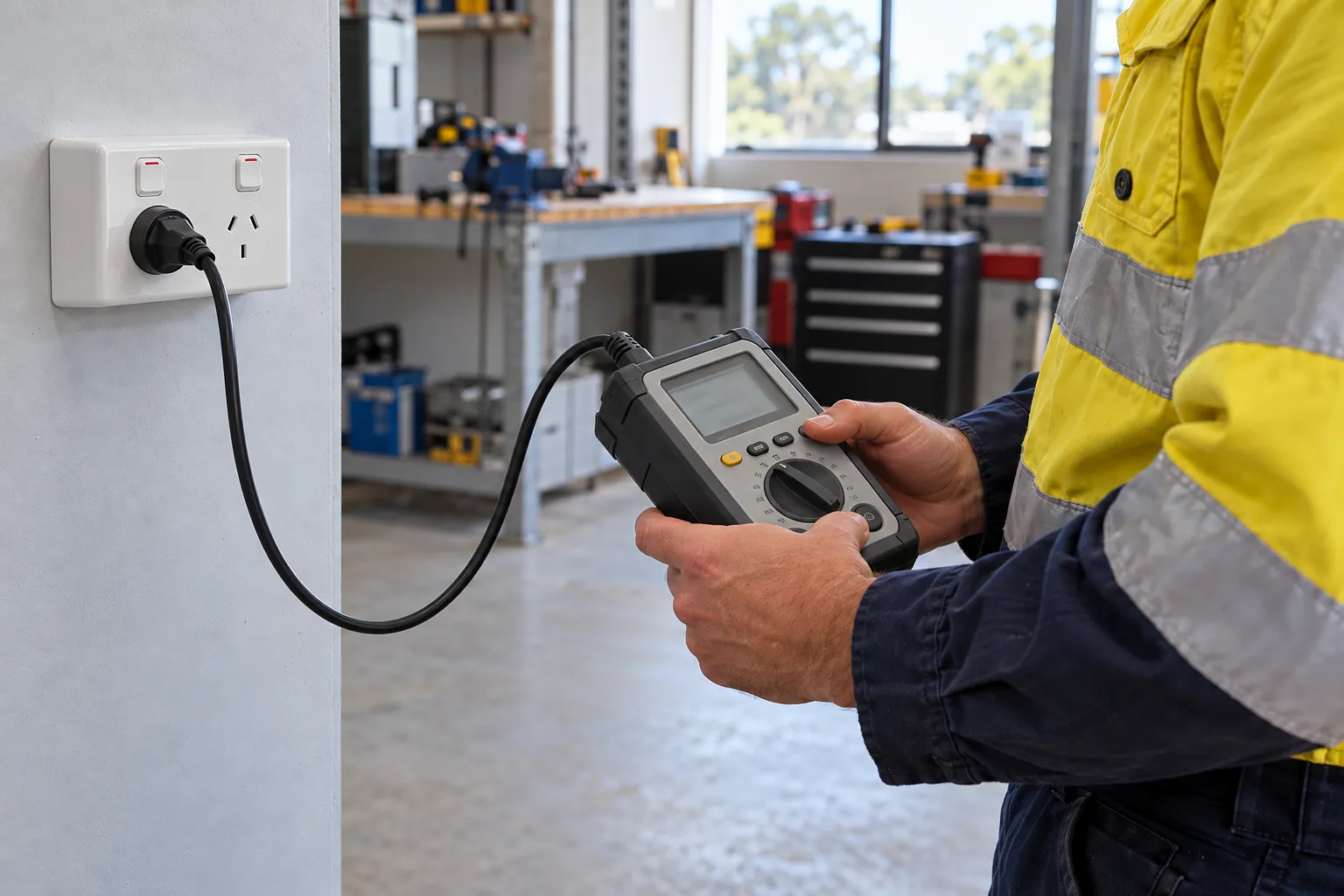
Where repairs involve electrical wiring work, NSW electrical compliance requirements include testing and submitting a Certificate of Compliance for Electrical Work.
Before operations resume, businesses should keep affected equipment switched off and avoid reconnecting machinery, computers or appliances showing signs of damage, overheating or water exposure. Once the installation has been inspected and cleared, power can be restored in a controlled sequence, with high-demand equipment restarted one system at a time.
When contacting an emergency or commercial electrician in Central Coast, businesses should describe the electrical fault, identify affected areas, and explain any immediate safety concerns. Clear information helps them assess the situation and prepare for the required work. Staff should only gather details from a safe location.
Useful information includes:
Businesses should also report electric shocks, injuries, suspected fire or immediate danger. Staff should not approach electrical hazards to gather information, attempt repairs or repeatedly reset breakers to test whether the fault has cleared.
Providing accurate details helps prepare for the callout and determine the safest next steps while reducing unnecessary delays.
Electrical emergencies can interrupt business operations, damage equipment and put employees, customers and visitors at risk. Power failures may stop production, disrupt transactions, spoil refrigerated stock or disable essential systems. Electrical faults can also cause fires, electric shocks and injuries.
The main impacts are the following:
Regular electrical inspections, preventive maintenance, staff training and suitable backup power systems can help reduce disruption. Investigating recurring faults also helps businesses address underlying problems before they lead to further interruptions.
Businesses can prepare for electrical emergencies by establishing clear response procedures, training staff to recognise hazards and maintaining electrical systems regularly. Having a plan in place helps protect people, reduce downtime and limit equipment damage when unexpected faults occur.
Prepare by doing the following:
Businesses should review their emergency procedures whenever equipment, building layouts or operating requirements change. Regular preparation helps staff respond more confidently and ensures that emergency arrangements remain relevant to the premises.
Preparing for electrical emergencies helps businesses protect employees and customers, minimise equipment damage and reduce costly downtime. Clear response procedures, regular maintenance and staff training can make a difference when unexpected faults occur.
Fraser Electrical can help businesses address urgent electrical problems, investigate faults and arrange the necessary repairs. By prioritising safety and seeking qualified electrical assistance, businesses can reduce the risk of recurring issues and work towards a safe return to normal operations.

