Licence No. 387609C
A switchboard upgrade may be necessary when an electrical system shows signs of age, such as flickering lights, repeated circuit trips, or outdated ceramic fuses. Understanding what affects the cost helps property owners plan the work and avoid unexpected expenses.
Fraser Electrical can assess the existing switchboard to determine what needs to be upgraded, replaced or repaired. The final cost can vary depending on the board's size, existing wiring, number of circuits and any additional safety or compliance work required.
Some upgrades may also involve changes to earthing, metering or the incoming supply. Where network-related work is required, a level 2 electrician in Central Coast may be needed. Knowing what is included in the work can make it easier to compare quotes and choose an upgrade suited to the property.
A switchboard upgrade can cost around $1,000 to $3,000 or more for a typical residential property. The final price depends on the type and size of the switchboard, the number of circuits, the condition of the existing electrical system and the complexity of the work.
A straightforward upgrade will cost less when the existing installation is in good condition. More extensive projects can cost several thousand dollars when the board needs to be enlarged, electrical components need to be replaced or the property's supply requires changes.
As a guide, switchboard upgrade costs may fall into these approximate ranges:
These figures are general estimates rather than fixed prices. Larger properties and installations with higher electrical demands may require additional equipment and greater capacity.
Two properties with similar-looking switchboards can have very different upgrade costs. One may only need updated circuit protection, while another may require remedial work before the new board can be installed.
An itemised quote should clearly separate the switchboard installation from any additional work. Having the installation inspected before work begins provides a more accurate indication of the likely total cost.
An inspection before a professional switchboard upgrade can identify wiring, earthing, capacity or access issues that may affect the final quote.
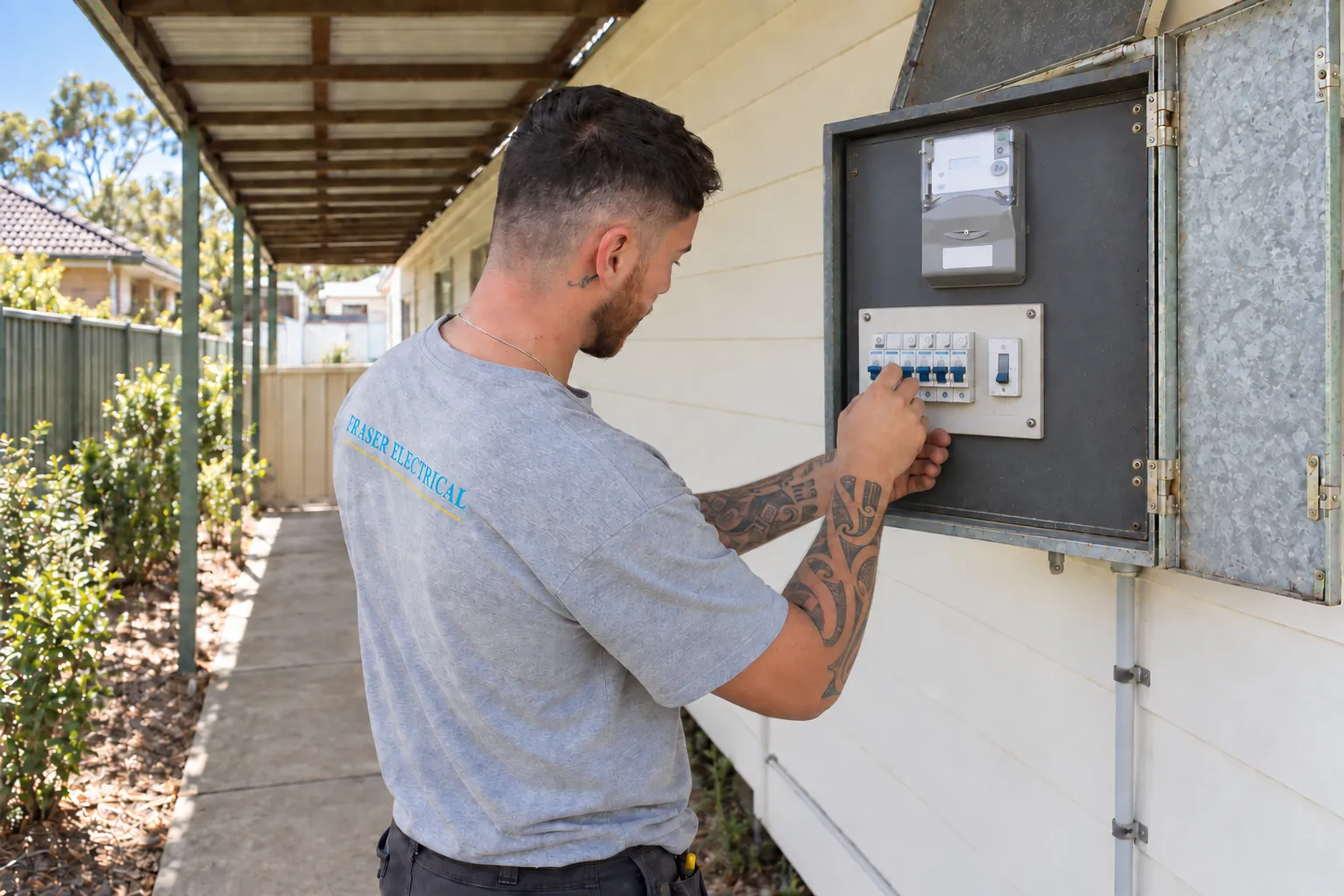
The cost depends on the property's electrical requirements, the condition of the existing installation and the complexity of the work. The main factors include:
An itemised quote should show which factors are contributing to the overall price and distinguish the standard upgrade from additional work.
A switchboard upgrade involves more than replacing an old panel. Depending on the property's condition and electrical requirements, the work may include:
The exact inclusions should be clearly listed in the quote. Issues like deteriorated wiring, inadequate earthing, asbestos-containing components or changes to the incoming supply may require additional work and should be identified separately.
Yes. Switchboard upgrades can range from updating outdated safety protection to replacing the entire board or increasing the property's electrical capacity. The most suitable option depends on the condition of the existing installation, current electrical demands and any planned additions.
A basic upgrade may be suitable when the existing enclosure and wiring are in reasonable condition but the protection is outdated. This can involve replacing ceramic or rewireable fuses with circuit breakers, RCDs or RCBOs and improving circuit labelling.
A full replacement may be required when the existing board is damaged, deteriorated, overcrowded or no longer has enough space. The work can include a new enclosure, modern circuit protection, internal connections, a main switch, testing and compliance documentation.
An expansion upgrade can be appropriate when new electrical loads, like ducted air conditioning, EV charging, induction cooking or workshop equipment, require additional circuits or greater capacity. A larger switchboard can also provide spare space for future additions.
A three-phase upgrade may be required when the existing single-phase supply cannot reasonably support the property's electrical demand. This can involve changes to the incoming supply, metering and network-connected equipment, with an electrician required where network-related work is involved. An inspection of the existing installation can determine which type of upgrade is appropriate and whether additional work is required.
Assessing whether a home needs three-phase power can help determine if the additional capacity is justified by current appliances, planned upgrades and future electrical demand.
Additional work can increase the cost when the existing installation has safety, compliance or access issues. These costs are more likely to arise in older properties where components or the electrical supply are not suitable for a modern switchboard.
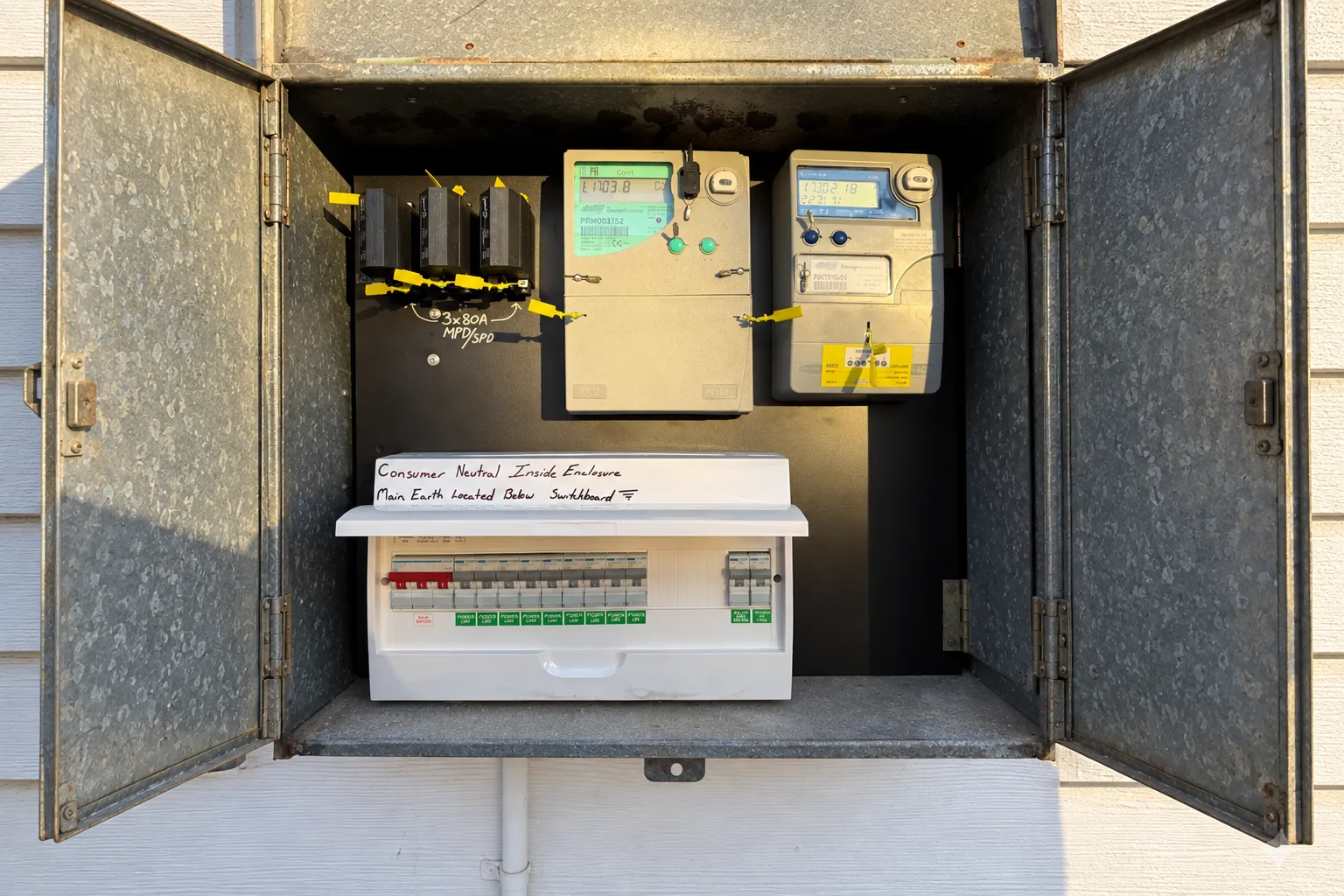
Additional work includes:
These requirements cannot always be confirmed until the installation is inspected. An itemised quote should identify additional work separately from the standard switchboard upgrade.
Yes, in some cases. A standard licensed electrician can usually handle switchboard work that stays on the customer side of the installation, such as replacing outdated fuses, installing modern circuit protection or adding circuits where the existing supply has enough capacity.
A Level 2 electrician is required when the upgrade affects the property's connection to the electricity distributor's network. This can include changing from single-phase to three-phase power, increasing supply capacity, altering service mains or the point of attachment, relocating metering or disconnecting and reconnecting the network supply.
The NSW Government explains that an Accredited Service Provider may be required when work involves connecting, disconnecting or changing the electricity supply between a property and the distribution network.
Before work begins, the existing supply, metering and switchboard should be assessed to determine whether network-related work is involved. If the upgrade affects the incoming supply or metering, the appropriate Level 2 accreditation may be required under NSW requirements.
Yes. A switchboard upgrade can reduce electrical safety risks by replacing outdated protection with modern circuit breakers, safety switches and other protective devices. It can also address issues like deteriorated connections, inadequate earthing, overcrowded circuits and poor labelling.
Modern RCDs and RCBOs can reduce the risk of electric shock by disconnecting a circuit when they detect certain electrical faults, while correctly rated circuit breakers help protect wiring and equipment from overloads and short circuits. An upgrade can also allow damaged connections or components to be identified and replaced, reducing the risk of overheating within the switchboard.
SafeWork NSW explains that residual current devices, commonly called safety switches, disconnect the electricity supply when harmful current leakage to earth is detected.
A switchboard upgrade cannot eliminate every electrical hazard, particularly when faults exist elsewhere in the property's wiring or connected equipment. However, inspection, testing and appropriate upgrades can improve the installation's protection, reliability and overall electrical safety.
A straightforward residential switchboard upgrade can often be completed within a day, with some jobs taking only several hours when the existing installation is in good condition. The property will need to have its power isolated while the work is carried out.
More complex upgrades can take longer if they involve rewiring, additional circuits, metre work, enclosure changes or modifications to the incoming supply. Upgrades from single-phase to three-phase power may also require coordination with the electricity distributor and an electrician, which can extend the overall project timeframe.
The exact timeframe depends on the condition, accessibility and complexity of the existing installation. An inspection before work begins allows the electrician to identify potential complications and provide a more accurate timeframe.
A switchboard upgrade is worth the cost when the existing system presents safety concerns, cannot reliably handle the property's electrical demand or requires frequent repairs. Older fuse boards, missing modern safety protection, repeated circuit trips, flickering lights, burning smells or visible heat damage can indicate that replacement is more practical than continuing with individual repairs.
An upgrade can also make sense when adding major electrical loads or carrying out renovations. Ducted air conditioning, EV chargers, induction cooktops, workshop equipment, extensions and granny flats may require additional circuits or greater electrical capacity. Upgrading the switchboard as part of this work can provide the space and protection needed for the property's current and future requirements.
For older or poorly configured switchboards, replacing the board can also reduce ongoing repair costs and make future faults easier to isolate. The value of the upgrade ultimately depends on the condition of the existing installation, the property's electrical demands and the amount of additional work required.
The cost of a switchboard upgrade depends on the condition of the existing system and whether additional work such as rewiring, earthing or supply upgrades is required. Fraser Electrical can assess the installation and provide a clear quote based on the work needed to improve its safety and reliability.
A properly installed switchboard with modern safety devices and suitable circuit protection can reduce electrical risks and provide greater reliability for years to come. A professional assessment also helps identify issues early and ensures the upgrade is suited to the property's current and future electrical needs.

