Licence No. 387609C
Living close to the coastline offers many lifestyle benefits, but it also exposes homes to environmental conditions that can affect important building systems. One of the less obvious challenges is the effect of salt-laden air on electrical infrastructure. For homeowners seeking advice from an experienced electrician on the Central Coast, understanding these risks is an important part of protecting both the property and its occupants.
Fraser Electrical explains how salt air affects electrical systems in coastal homes and outlines practical measures that can help minimise damage. With suitable equipment, regular checks and timely maintenance, homeowners can reduce the risk of faults and improve the long-term reliability of their electrical systems.
Salt air does more than leave a film on windows and outdoor furniture. Over time, airborne salt can settle on electrical components and contribute to corrosion, moisture-related faults and premature equipment failure.
When salt deposits collect on metal parts, they can attract and retain moisture from the air. This creates a corrosive and potentially conductive film that may interfere with terminals, switches, circuit boards and other components.
Electrical systems in coastal homes can therefore experience more frequent maintenance issues than similar systems in less exposed areas. The level of risk will depend on factors such as the property’s distance from the shoreline, exposure to prevailing winds and the amount of outdoor electrical equipment installed.
Fine salt particles become airborne through breaking waves, sea spray and strong coastal winds. These particles can travel inland and enter homes through open windows, door gaps, roof vents, exhaust fans and unsealed penetrations.
Salt deposits may settle on light fittings, ceiling fans, power points and appliance components. Outdoor installations such as meter boxes, pool equipment, air conditioning systems and external lighting are generally more exposed.
In humid conditions, salt deposits can form a damp film on metal terminals, screws and other electrical components. This increases the likelihood of corrosion and may contribute to intermittent faults or nuisance tripping.
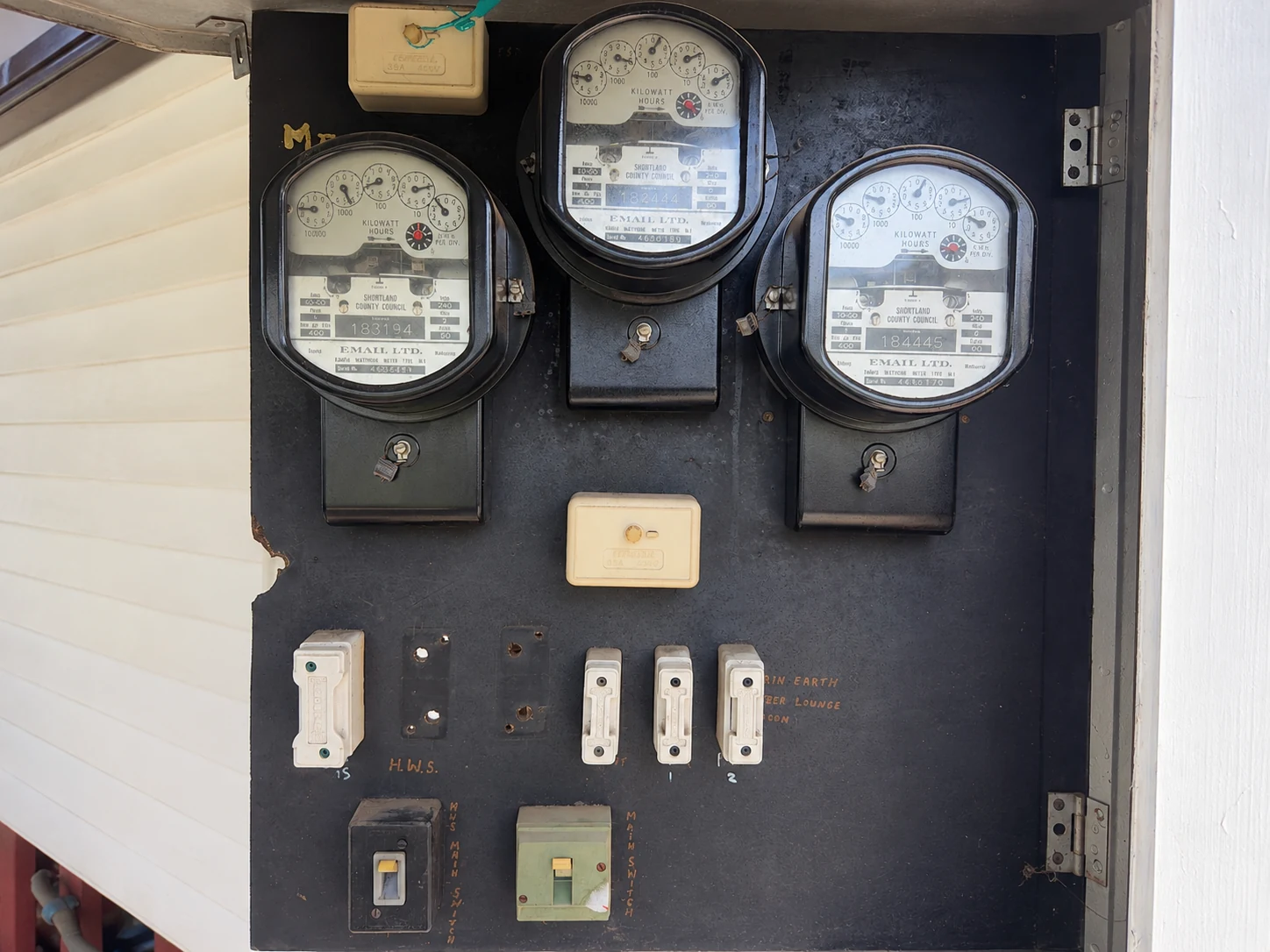
Salt exposure can accelerate the corrosion of copper, aluminium and steel components. In an electrical system, this can:
Switchboards, external fittings and appliance connections are particularly vulnerable because they contain terminals and exposed metal parts.
When salt deposits combine with moisture, they can do more than accelerate corrosion. They can also create conductive paths across surfaces that are intended to remain insulated.
This may contribute to safety-switch tripping, particularly after periods of sea fog, storms or strong onshore winds. Salt contamination can also affect circuit boards and electrical components inside equipment such as air conditioners, garage door systems and solar inverters.
Problems may become more noticeable after severe weather. Following the appropriate electrical checks after a storm can help homeowners identify visible damage, moisture exposure and warning signs that require professional assessment.
Dust and grime may make the issue worse by trapping moisture and allowing salt deposits to build up over time.
Salt-air damage often begins in places that are difficult to see, such as connections behind exterior fittings or terminations inside electrical equipment. Problems may not become obvious until corrosion has already affected reliability or safety.
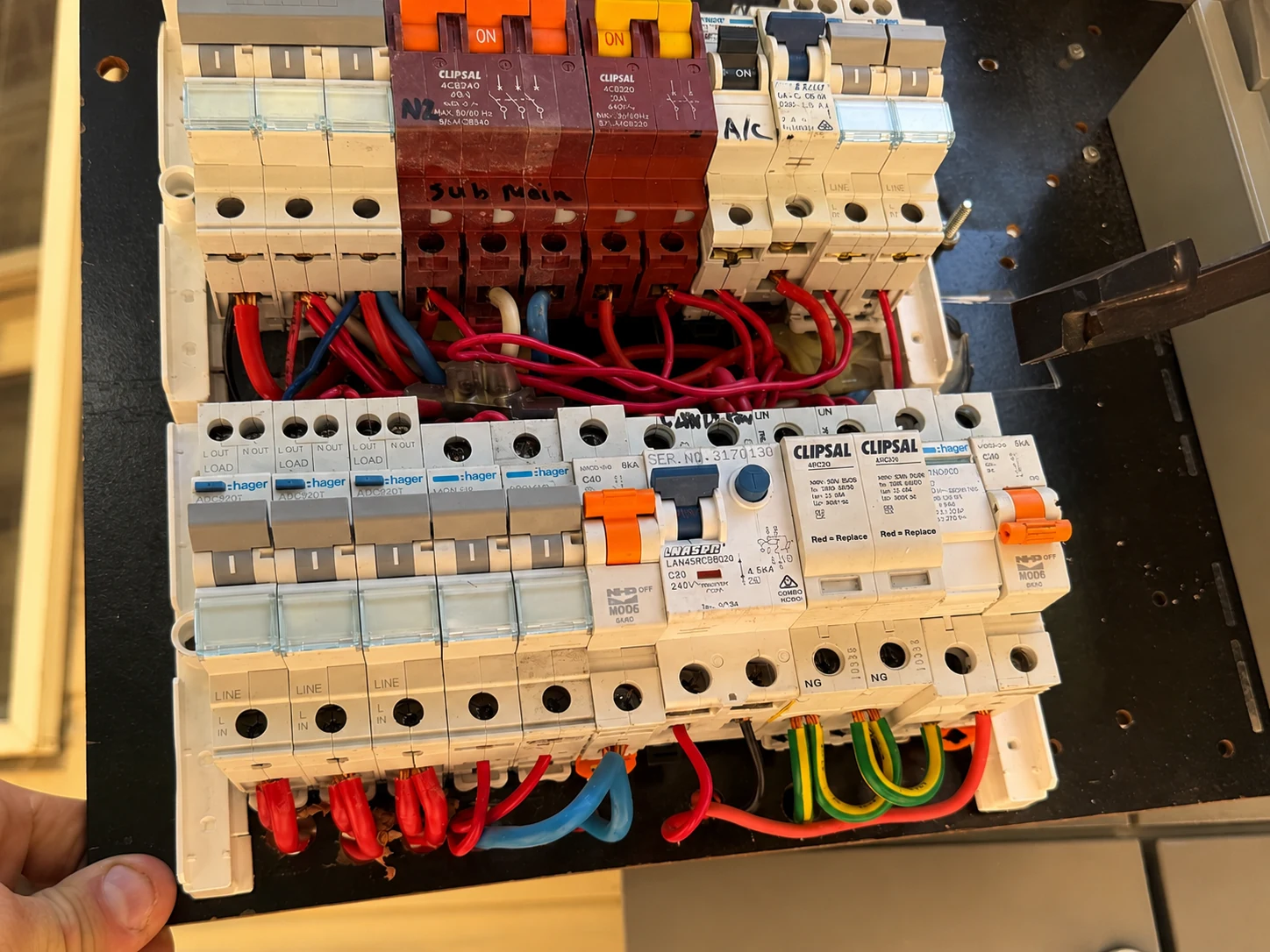
Switchboards contain breakers, safety switches, busbars and multiple connection points. Corrosion around these components may lead to nuisance tripping, heat at terminals or reduced reliability.
Outdoor and garage-mounted switchboards may be more vulnerable where seals have deteriorated or enclosures are exposed to wind-driven rain and salt air.
Homeowners should not open switchboards or attempt to inspect internal components themselves. Visible rust, water staining, damaged seals or repeated tripping should be assessed by a licensed electrician.
Electrical components installed outside or in semi-exposed areas can deteriorate more quickly near the coast, even when they are positioned under patios or eaves.
Common examples include:
Salt can attack metal contacts, screws and earth connections. Damaged seals and cracked plastic housings may also allow more moisture to reach internal components.
Insulated cables are generally less exposed than the connection points at each end. Terminations, plugs, junction boxes and isolators are more likely to experience corrosion where moisture and salt deposits can reach exposed metal.
Areas that may require closer attention include:
Flexible cords and plugs used outdoors can also deteriorate if they are left exposed to weather conditions. Corroded plug pins or socket contacts may cause poor connections, heat or visible arcing.
Salt-air damage can develop gradually. Recognising the early warning signs can help homeowners arrange an inspection before a minor issue becomes a more serious fault.
Salt-air corrosion is not the only cause of electrical faults. These electrical issues that should not be ignored explain why repeated tripping, warm power points, flickering lights and unusual sounds should also be investigated promptly.
Visible rust or white, green or powdery deposits around a meter box or switchboard enclosure may indicate that salty moisture is reaching the equipment.
Other warning signs include:
An electrician should investigate signs that an enclosure may no longer be adequately protected from the weather.
Indoor fittings may show more subtle signs of deterioration, particularly on external walls or in rooms exposed to coastal air.
Homeowners should look out for:
Warm fittings, burning smells, buzzing sounds or visible damage should be assessed promptly.
Outdoor lighting, pool equipment, air conditioning units and shed power supplies may show damage earlier than indoor systems.
Possible warning signs include:
The outside of air conditioning units may show early signs of corrosion on fan guards, casing edges and brackets. Internal electrical components may also be affected, even when the damage is not visible from the outside.
Protecting electrical systems in coastal areas involves selecting suitable equipment, installing it carefully and checking exposed components regularly.
The right solution will depend on the property’s location, the level of exposure and the type of equipment being installed.
Outdoor fittings and enclosures should be selected according to the conditions they will face. A licensed electrician can recommend equipment with an appropriate ingress-protection rating and materials suited to coastal environments.
In exposed locations, corrosion-resistant hardware, durable enclosures, suitable seals and weather-resistant fittings can help reduce premature deterioration.
The appropriate materials and protection level will vary depending on whether the equipment is under cover, exposed to direct weather or positioned close to the shoreline.
Equipment placement can have a significant effect on its lifespan. Where possible, switchboards, outlets and control boxes should be installed under eaves, awnings or other sheltered areas rather than facing prevailing coastal winds.
External components should also be positioned to reduce water pooling and allow drainage. Carefully installed conduits, glands and seals can help limit moisture ingress.
These details should be considered during installation rather than added only after corrosion has already started.
Homeowners can regularly check exposed fittings for visible rust, cracked housings, damaged seals and water staining. Internal inspections of switchboards, isolators and other electrical enclosures should only be carried out by a licensed electrician.
Where appropriate, an electrician may recommend corrosion-resistant components, replacement fittings or compatible protective treatments for exposed installations.
Maintenance should focus on identifying early deterioration before it affects terminals, protective devices or other current-carrying components.
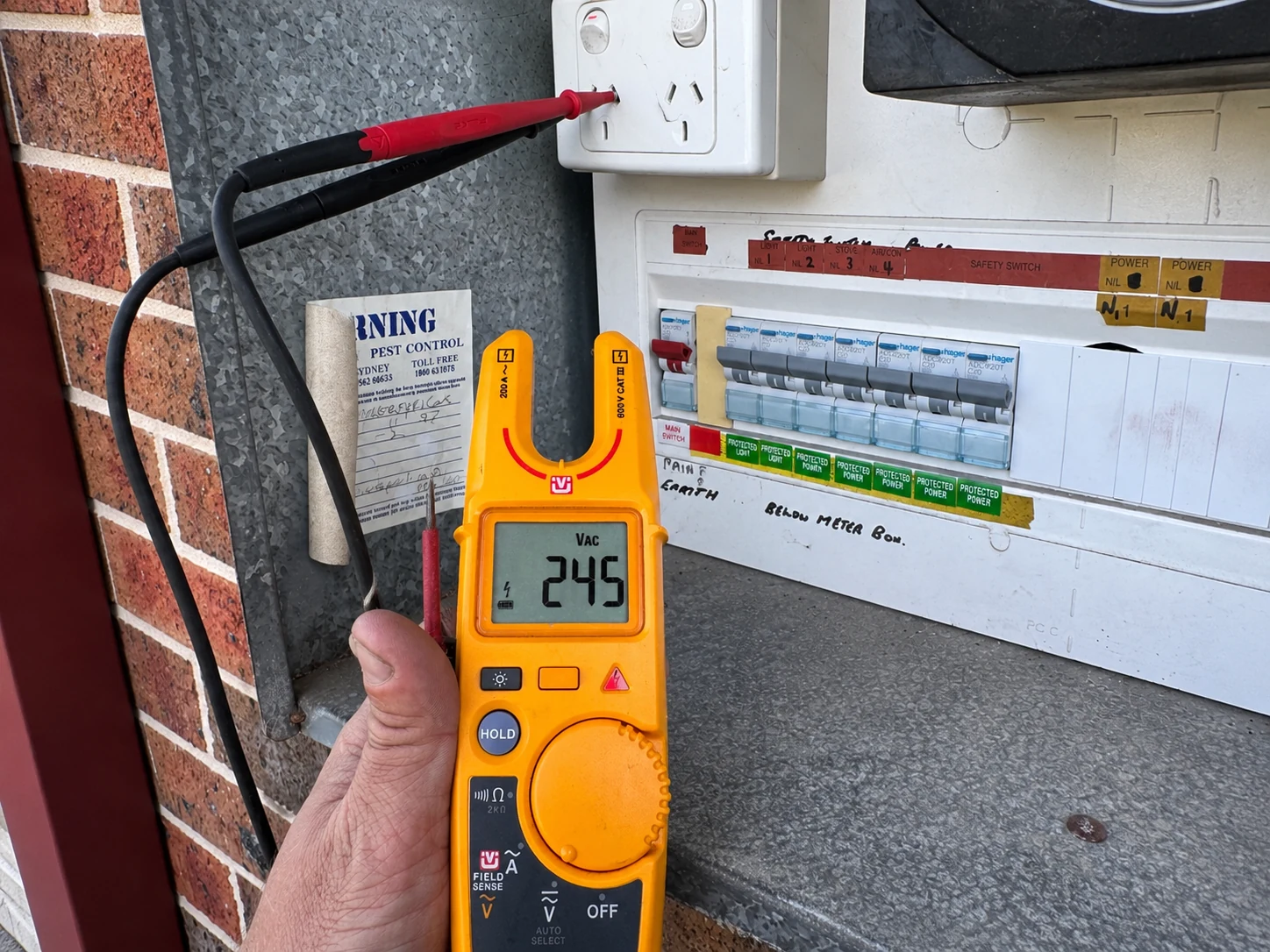
Coastal homes are exposed to harsher conditions than many inland properties, so electrical components may deteriorate more quickly. The appropriate inspection schedule will depend on the home’s age, proximity to the shoreline, exposure to sea spray and the amount of outdoor electrical equipment installed.
Homeowners should regularly check visible outdoor fittings, switchboard enclosures and electrical equipment for rust, damaged seals, cracked housings and water staining.
Homeowners should also test their safety switches every six months using the test button on the switchboard. If a safety switch does not trip or cannot be reset, a licensed electrician should investigate the issue.
A professional inspection should also be arranged if there is:
Homes close to the shoreline, older properties and sites with extensive outdoor electrical systems may benefit from more frequent inspections. An electrician can recommend a suitable schedule after assessing the property and its level of exposure.
Salt air is a constant factor in coastal environments. If left unmanaged, corrosion and moisture exposure can shorten the lifespan of electrical equipment and contribute to safety issues.
Understanding which areas are most vulnerable, recognising the early warning signs and arranging timely inspections can help reduce the risk of faults. With suitable equipment and regular maintenance, homeowners can improve the reliability and safety of their electrical systems in demanding coastal conditions.

