Licence No. 387609C
A safety switch that will not reset can indicate an ongoing electrical fault rather than a simple inconvenience. For property owners who need an emergency electrician in Central Coast, recognising the warning signs early can help prevent electric shock, fire or further electrical damage.
A safety switch is designed to disconnect power when it detects current leaking to earth, so a switch that refuses to stay on should not be ignored or repeatedly reset. The cause may be a faulty appliance, damaged wiring, moisture or a problem within the switchboard itself.
Fraser Electrical can help identify the cause and determine the appropriate next steps for residential and commercial properties. Knowing which checks are safe to perform and when professional assistance is needed can help resolve the issue safely and minimise the risk of further problems.
Before trying to reset a safety switch, check for any obvious signs that could make restoring power unsafe. Burning smells, water near electrical fittings, damaged power points or unusual sounds from the switchboard can indicate a more serious fault. If any of these signs are present, leave the safety switch off and contact an electrician.
NSW Government guidance explains how safety switches protect against electrical faults by disconnecting the electricity supply when a fault is detected, helping reduce the risk of electric shock and electrical fire.
If there are no visible hazards, a few simple checks can help identify what may have caused the trip:
The switchboard should not be opened and no wiring or electrical components should be touched. If there are no obvious hazards, appliances on the affected circuit can be unplugged before attempting a reset.
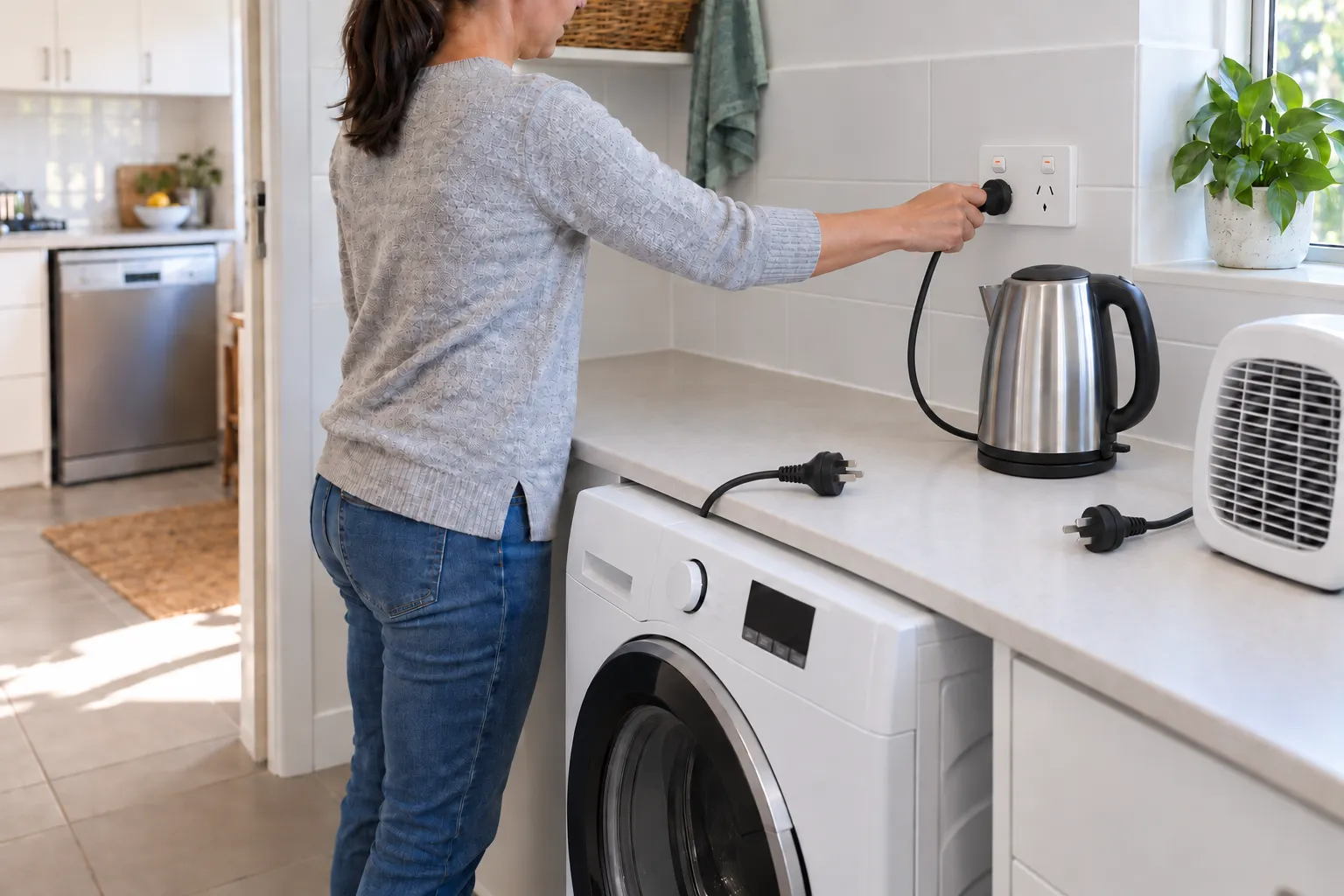
A faulty appliance can cause a safety switch to trip by allowing electrical current to leak to earth. If the switch will not reset, isolating appliances can help determine whether one of them is responsible before assuming there is a fault with the wiring.
This can be checked in a few simple steps, provided there are no signs of burning, overheating, water damage or other immediate electrical hazards.
Disconnect appliances such as fridges, washing machines, dishwashers, heaters, microwaves, computers and other plug-in equipment. Appliances should be physically unplugged rather than simply switched off.
With the appliances disconnected, try resetting the safety switch once. If it stays on, an appliance may be causing the fault. If it immediately trips again, leave the switch off and arrange for an expert to investigate.
The Electrical Safety Office advises that a safety switch that cannot be reset may indicate a circuit fault that requires inspection and repair by a licensed electrician.
If the safety switch remains on, reconnect each appliance individually. If the switch trips after an appliance is connected or turned on, that appliance is a likely source of the problem.
A suspected appliance should remain unplugged and should not be used until it has been appropriately tested, repaired or replaced. Signs like frayed cords, burn marks, cracked plugs, unusual smells or moisture can indicate a fault.
If the safety switch continues to trip with appliances disconnected, the cause is more likely to involve fixed wiring, electrical equipment or the safety switch itself and will require professional testing.
If a safety switch will not reset after appliances have been unplugged, the fault may be within the property's fixed electrical system. Damaged wiring, faulty power points and moisture can all create current leakage.
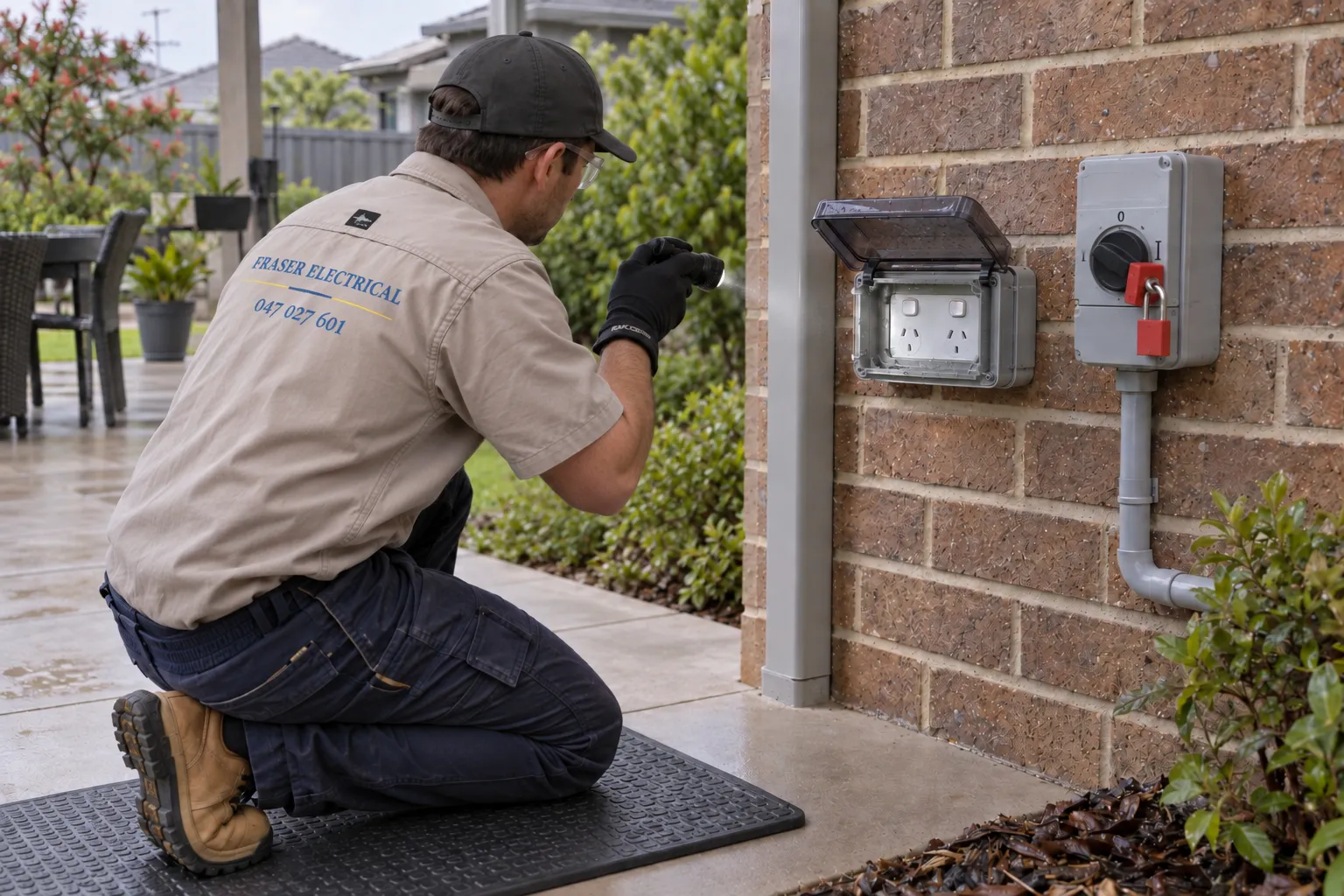
Some causes include:
These problems can be intermittent when moisture, heat or movement affects damaged wiring or equipment. If the safety switch still will not reset after basic appliance checks, the affected circuit should remain off until an electrician can identify and repair the fault.
Yes, a safety switch can be faulty, although a switch that will not reset is more commonly responding to an electrical fault elsewhere in the circuit. Internal components can wear out over time, while heat, moisture or previous electrical faults can also affect the device's operation.
If the switch will not stay on after appliances have been disconnected, operates unusually, trips without an obvious cause or shows signs of heat or physical damage, the safety switch may need to be tested. These symptoms can also be caused by wiring or fixed electrical equipment, so they do not necessarily mean the switch itself has failed.
Professionals can test the safety switch and the circuit it protects to identify the actual cause. If the device is defective, it can be replaced with a suitable compliant safety switch rather than being bypassed or repeatedly reset.
A safety switch that resets but then trips again is usually detecting an electrical fault that remains present or only occurs under certain conditions. The cause could be a faulty appliance, moisture affecting an outdoor circuit, damaged wiring or a problem with fixed electrical equipment. Some faults may only appear when an appliance starts operating, a circuit becomes active or moisture reaches an affected component.
The timing of the trip can provide a useful clue. For example, tripping whenever an appliance is switched on may point to that appliance, while trips after rain may indicate moisture ingress. If the switch trips with appliances disconnected or continues to trip without an obvious pattern, the fault is more likely to involve fixed wiring, equipment or the safety switch itself.
Repeated tripping should not be treated as normal or resolved by repeatedly resetting the switch. If the problem continues, the affected circuit should remain off and a licensed electrician should test the system to locate and repair the underlying fault.
Yes, a safety switch problem can affect other parts of the property, depending on which circuits the device protects. When it trips, power is disconnected from those circuits, which may leave one room, several areas or connected equipment without power. Other circuits protected by separate safety switches may continue operating normally.
The extent of the power loss depends on the switchboard's configuration and the affected circuit. If several areas lose power or essential equipment is affected, the safety switch should not be bypassed or repeatedly reset. Experts can identify the affected circuit, locate the underlying fault and safely restore power once the system has been assessed.
If the safety switch still will not reset after the basic appliance checks, the fault should be treated as persistent and left for an electrician to investigate. Repeatedly resetting the switch can increase the risk of electric shock, fire or further electrical damage.
Do not force the switch into the ON position, particularly if it feels warm, makes unusual sounds or shows signs of scorching or damage. Leave it off until the cause has been identified.
Leave appliances unplugged and avoid using temporary leads or other workarounds to restore power. The switchboard should not be opened and no wiring or electrical components should be touched.
Professionals can test the circuit, wiring, fixed equipment and safety switch to locate the underlying fault and determine the appropriate repair. If there is water near the switchboard or electrical fittings, or signs of burning, smoke, exposed wiring or overheating, the area should be kept clear and urgent electrical assistance arranged.
Professional electrical fault finding can determine whether the problem involves an appliance, damaged wiring, moisture, fixed equipment or a defective safety switch.
A safety switch that will not reset is not necessarily an electrical emergency, but certain warning signs indicate that the fault could pose an immediate risk of electric shock, fire or further electrical damage.
The problem should be treated as an electrical emergency if there is:
Understanding when an electrical fault becomes an emergency can help property owners respond appropriately to repeated tripping, burning smells, electric shocks, water exposure and other serious warning signs.
If none of these warning signs are present, basic troubleshooting may help identify whether a plug-in appliance is responsible. However, if the safety switch still will not stay on, further attempts should stop and assess the fault. Where there is smoke, fire or an immediate danger to people, the appropriate emergency services should also be contacted.
A safety switch that will not reset usually indicates a fault that needs to be identified rather than repeatedly reset. Experts should be contacted when the problem persists after basic checks or when there are signs that the electrical system, wiring or safety switch itself may be faulty.
Professional assistance is important when:
A comprehensive home electrical safety inspection may also be appropriate when trips occur regularly, the property has older wiring or there are concerns about the condition of the switchboard and its protective devices.
Professional testing can determine whether the cause is a faulty appliance, damaged wiring, moisture, fixed electrical equipment or a defective safety switch. Addressing the underlying fault rather than repeatedly restoring power can help reduce the risk of electric shock, fire and further electrical damage.
A safety switch that will not reset should never be treated as a minor inconvenience. It can indicate issues such as earth leakage, damaged wiring, moisture or a faulty appliance and repeatedly resetting or bypassing the switch can increase the risk of electric shock, fire and further damage.
If the fault cannot be safely isolated, the affected circuit should remain turned off until it can be properly assessed. Fraser Electrical can identify the underlying cause, test the electrical system and recommend the appropriate repairs to help keep residential and commercial properties safe and reliable.

