Licence No. 387609C
A compressor starts, the power trips and part of your workshop stops with it. Perhaps the machine has worked reliably for months. Perhaps it is a new arrival that runs normally once it gets going. Either way, the interruption raises an important question: is the electrical circuit unsuitable, or is something wrong with the equipment?
For Central Coast workshop owners, identifying the cause matters for production planning and electrical safety. Fraser Electrical can help investigate electrical supply and circuit protection issues, allowing workshop operators to understand why machinery is tripping before committing to repairs or electrical upgrades.
This article explains why motors draw more current during startup, what different protective devices respond to and what information can help a licensed electrician diagnose the problem. It also explains why installing a larger breaker without assessing the circuit can leave the underlying issue unresolved.
Starting a motor places different demands on an electrical circuit compared with keeping it running. A machine can draw a brief surge of current as it accelerates before settling into a lower, more consistent running demand.
This makes the timing of a trip useful evidence, but an immediate interruption does not automatically mean the circuit cannot handle normal starting current. Electrical faults, mechanical problems and unsuitable supply arrangements can produce similar symptoms.
A motor needs to establish its magnetic field and develop enough turning force to accelerate itself and the connected machinery. During this starting period, its current draw can be higher than it is at normal operating speed. This is known as motor starting current or inrush current.
For a workshop, the practical difference is that a circuit may operate comfortably while a machine is running but struggle during startup. Other equipment already operating on the same circuit can reduce the available capacity. Two motors starting close together can also create a greater demand than either machine starting independently.
The duration of the starting period matters as well. A motor that reaches operating speed promptly presents a different electrical demand from one that struggles to accelerate. Mechanical load, the motor's starting arrangement and the condition of the electrical supply can all influence this behaviour.
An electrical fault can occur at the same moment a machine is switched on. Damaged insulation, deteriorating components, loose connections or problems with the motor's starting equipment can resemble a starting-current issue from the operator's perspective.
Mechanical problems can also affect electrical demand. A motor that cannot accelerate properly may continue drawing excessive current, causing its protection to operate. Supply voltage problems can further complicate the situation by making it harder for the motor to reach operating speed.
This is why a machine that trips only during startup still needs proper investigation. The electrician must establish whether the current demand is consistent with the equipment's specifications or whether an abnormal condition is developing.
If you notice smoke, sparking, a burning smell or unusual heat, stop using the affected equipment and seek urgent professional assistance. Do not keep attempting to start to see whether the machine eventually runs. Successful operation after an earlier trip does not establish that the underlying condition has disappeared.
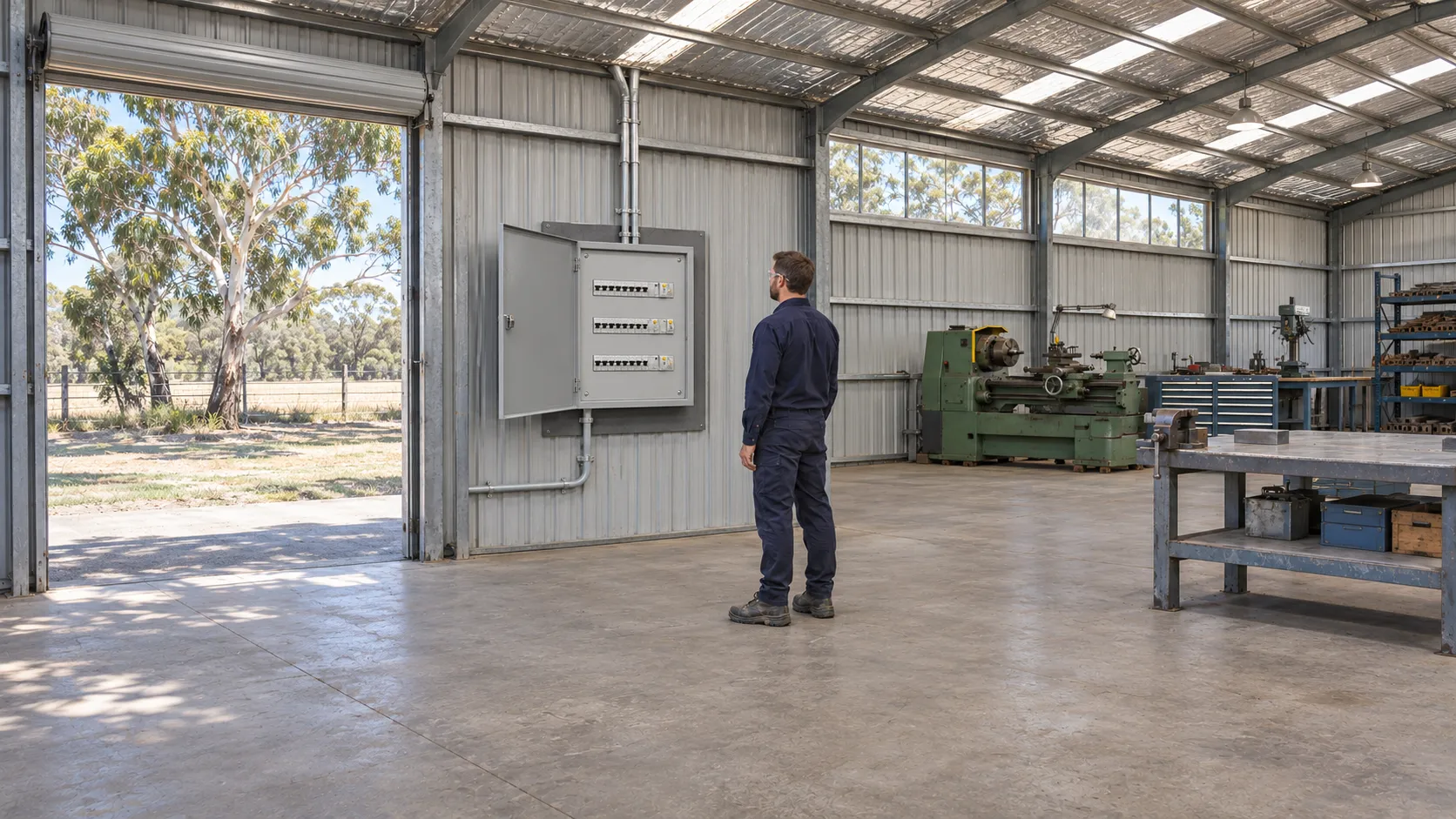
Not every loss of power means a circuit has too much equipment connected. Different protective devices respond to different electrical conditions, and some combine multiple protective functions.
Identifying which device operated is an important part of fault finding. A licensed electrician can establish whether the interruption involved overcurrent, earth leakage or protection built into the machinery itself.
Circuit breakers protect electrical circuits against excessive current. Depending on the type of fault, they can respond to an overload developing over time or a much larger current associated with a short circuit.
Motor starting current and sustained excessive current are different events. Protective devices have operating characteristics that account for the magnitude and duration of the current. Whether those characteristics are suitable for a specific machine must be assessed alongside the circuit wiring and equipment requirements.
Residual current devices (RCDs), commonly called safety switches, serve a different purpose. They compare the current flowing through the active and neutral conductors and detect an imbalance that may indicate current leaking to earth.
An RCD does not simply measure how hard a motor is working. If an electrician identifies earth leakage associated with a machine, increasing an overcurrent protection rating will not resolve the underlying issue.
Some devices combine protective functions. These are known as residual current circuit breakers with overcurrent protection (RCBOs). A workshop may also have internal motor overload protection that stops a machine without necessarily interrupting the electrical supply to other equipment.
Understanding these differences matters because the device that operates can help narrow down the investigation. However, its appearance alone may not reveal the exact cause, particularly where switchboard labels are incomplete or equipment arrangements have changed.
If one machine loses power while nearby equipment remains available, the interruption may be local to that machine's circuit or internal protection. If several areas stop together, an upstream protective device may have operated.
These observations help establish the extent of the interruption, but they do not confirm its cause. A device further upstream can interrupt power to multiple workshop areas, while a machine's internal protection may stop its motor without affecting the rest of the circuit.
You can tell the electrician which equipment stopped, whether other areas remained operational and any normally visible machine indicators changed. Leave identification of the protective function, interpretation of device markings and electrical testing to the professional.
Do not remove covers, reach into electrical equipment or repeatedly reset protection to keep work moving. Repeated operation can conceal a developing fault and expose equipment to further stress. Tell the electrician if someone has already reset a device and whether it tripped again.
Safe Work Australia advises workplaces to investigate why electrical protection operated before switching the electricity back on.
Good observations can make an electrical investigation more focused without requiring workshop operators to perform any electrical checks. The most useful information describes what happened during normal operation, which equipment was running and whether anything had changed beforehand.
You do not need to reproduce the fault. If the machine has already tripped protection, record what you know and leave deliberate testing to the licensed electrician.
Start with the affected equipment. Explain what the machine does, how it is normally used and which other machines lost power at the same time. Make clear whether several machines stopped together or whether different machines have caused separate trips on different occasions.
Those situations can suggest different lines of investigation. Several machines stopping together may indicate that they share an interrupted supply. Separate startup trips involving different machines may point towards a shared circuit issue, although individual equipment faults still need consideration.
Describe what else was operating immediately before the interruption. A machine starting while other workshop equipment is already running presents a different electrical demand from the same machine starting on an otherwise lightly loaded circuit.
If the machine's make, model and operating information are available in your records, have them ready. Manufacturer documentation may contain supply requirements, motor ratings and starting information that help the electrician compare the installation with the equipment's intended use. There is no need to remove panels or move heavy machinery to obtain these details.
Explain whether the problem began after installing new machinery, relocating equipment or changing production arrangements. Mention any known electrical alterations, equipment servicing or changes to how several machines operate together.
The timing of the trip also deserves a precise description. An interruption immediately after pressing the start button is different from one that occurs after the motor hums for several seconds. A trip during an automatic restart is another useful distinction for equipment that cycles throughout the day.
Other observations can help provide context, including:
Only report patterns you have already observed. Do not deliberately switch other machinery on or off to recreate the problem.
For recurring electrical issues elsewhere in the premises, information on reducing electrical faults in commercial buildings provides broader context. Keep the startup event clearly described rather than grouping every previous power interruption into one assumed cause.
When arranging an assessment, also explain which work areas are affected and when access is practical. This helps the electrician plan isolation and testing around workshop operations without relying on continued use of suspect equipment.
A breaker that trips can look like an obstacle to production. However, its job includes protecting the electrical circuit under specified conditions, not simply allowing connected machinery to keep running.
Changing its rating or operating characteristics without a proper assessment can compromise that protection. The fact that a replacement stops the tripping does not demonstrate that the installation is suitable or safe.
Machine circuit protection must be considered alongside the wiring it protects. Cable size is a part of the assessment, but it is not the only consideration. Installation conditions, cable length, connections and the overall circuit arrangement can affect what protection is appropriate.
The electrician must also consider how the protective device will respond to an electrical fault. A change intended to accommodate motor starting must not compromise the required protection against dangerous conditions elsewhere in the circuit.
This is why a machine's normal running current cannot be used on its own to select a protective device. Starting behaviour matters, but so do the circuit's capacity, installation conditions and manufacturer's requirements.
A dedicated circuit may be worth investigating where several machines share a supply, but it is not an automatic solution. It must still be designed to suit the equipment and installation. A separate circuit also will not correct an internal machinery fault.
If several parts of the workshop show signs of excessive overall demand, understanding commercial switchboard overload can distinguish that broader issue from an individual machine's startup problem. An electrician will still need to determine which condition is actually present.
A machine drawing excessive current because it cannot accelerate properly needs a different response from a healthy machine operating on an unsuitable supply arrangement. Increasing the permitted current without identifying the cause can allow an abnormal condition to continue for longer.
Likewise, damaged insulation, earth leakage or deteriorating motor components will not be resolved by providing more circuit capacity. The relevant defect needs investigation, and the machine may need to remain out of service until the problem is addressed.
The electrician may determine that the electrical supply is suitable, but the equipment requires assessment by a machinery technician. Alternatively, testing may identify a circuit problem that needs electrical rectification before the machine can be properly evaluated.
If a supplier recommends changing the protective device, ask what has been assessed and why the proposed device suits the wiring and the equipment. A useful recommendation should identify the diagnosed issue, the scope of the proposed work and any equipment questions that remain unresolved. Simply stating that the existing breaker is too small is not a complete explanation.
A useful electrical assessment connects the machine's starting requirements with the condition and capacity of its electrical supply. It should establish why protection operated before recommending changes to the circuit.
For workshop owners, the practical aim is a clear scope of work that identifies what has been found, what needs attention and whether the issue involves the electrical installation, the equipment or both.
Before arranging electrical work, check the contractor’s licence through Service NSW to confirm they hold a valid licence for the work required.
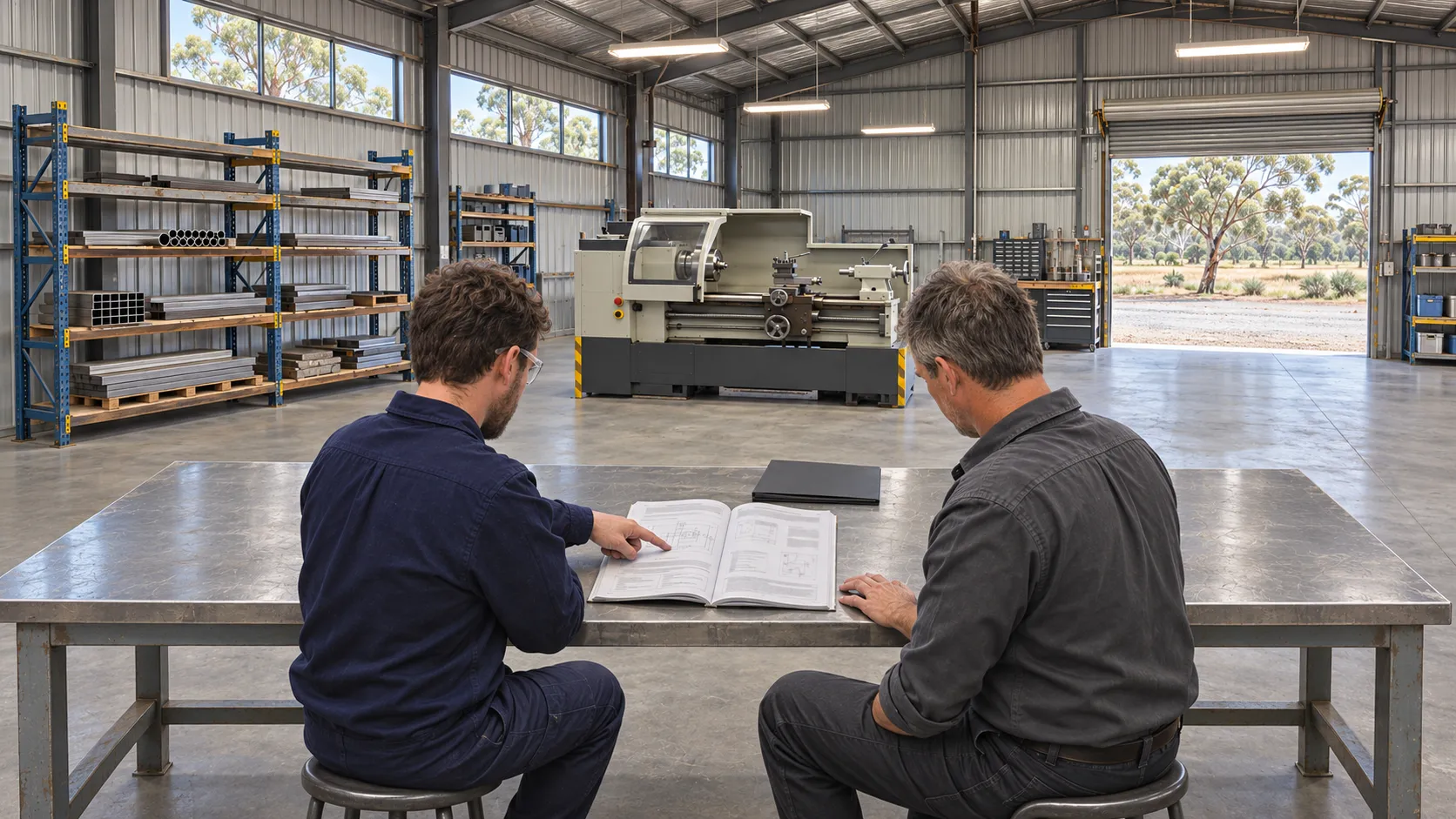
A licensed electrician can review the machine's documented requirements, connection arrangement and protective devices serving it. They can then determine which inspections and measurements are appropriate for the reported behaviour.
Depending on the circumstances, the investigation may include:
These checks help establish whether the circuit can support the machine's electrical demand and if a fault is affecting its operation. Where a motor takes longer than expected to reach speed, further investigation may be needed to distinguish a supply limitation from a problem within the equipment.
Electrical measurements can help establish that distinction, but they do not replace specialist machinery assessment where one is required. Any testing involving suspect equipment should be planned and performed professionally under appropriate conditions.
When a workshop needs a commercial electrician in Central Coast, electricians can investigate machinery-related electrical interruptions and assess the supply and circuit protection. Providing the electrician with details about the affected equipment and the circumstances surrounding the trip can establish an appropriate scope for the assessment.
Different findings require different solutions. A damaged electrical connection may need rectification, while an unsuitable shared circuit arrangement may warrant a properly designed supply change. Incorrect protection may also need correction after the wiring and equipment requirements have been checked.
Where starting demand is the genuine issue, the electrician may need to consider the circuit arrangement alongside the machine's approved starting method. Not every machine is suitable for the same starting arrangement, and modifications to machinery should not be assumed necessary or appropriate.
If the fault lies within the equipment, electrical installation work alone may not resolve it. The electrician should explain what their findings establish and if a separate equipment specialist needs to investigate further. This helps avoid paying for a supply alteration while the original defect remains unresolved.
Before approving work, request a clear description of the proposed remedy, any expected power interruptions and the follow-up checks required. Also clarify if the machine must remain out of service while further assessment or repairs are arranged.
Fraser Electrical helps workshop owners investigate electrical supply and protection issues, identify suitable corrective work and understand what needs attention before machinery returns to normal operation. Addressing the cause of a startup trip rather than simply trying to prevent the breaker from operating helps protect workshop equipment and the people working around it.

