Licence No. 387609C
Electrical faults in commercial buildings are rarely minor inconveniences. They can compromise staff safety, interrupt critical operations and damage equipment long before a breaker trips or a visible failure appears. For businesses that rely on safe, consistent power, working with a qualified commercial electrician in Central Coast is an important part of reducing risk and keeping electrical systems reliable.
In this article, Fraser Electrical explains how electrical faults develop in commercial environments, what factors commonly contribute to them and the practical steps that help strengthen commercial electrical infrastructure over time.
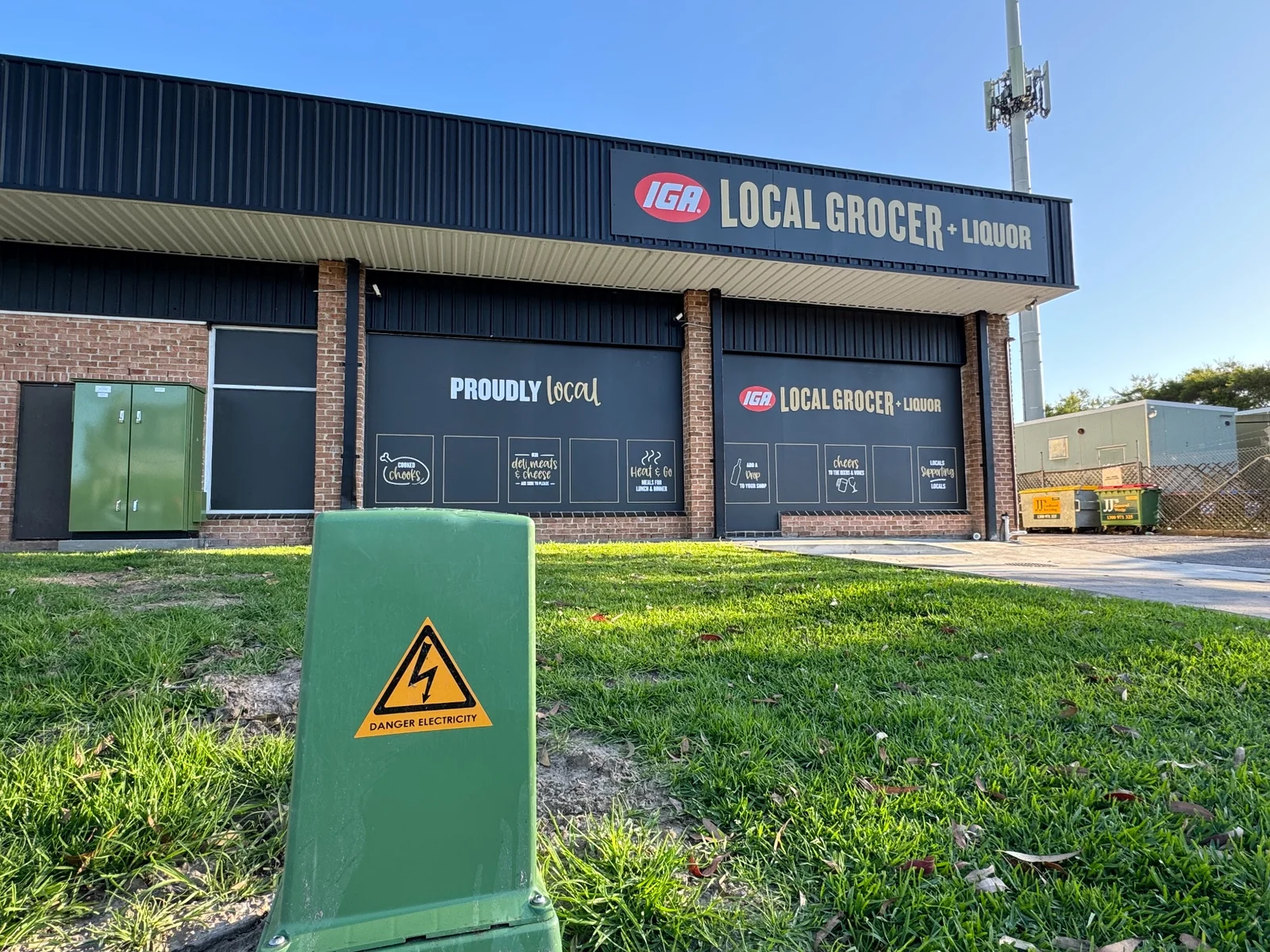
Electrical faults in commercial buildings usually trace back to a few recurring issues, including overloaded systems, poor installation work, ageing equipment, damaged wiring and inadequate maintenance. Understanding these causes is the first step in preventing unplanned outages, equipment damage and serious safety risks such as electric shock or fire.
Unlike domestic properties, commercial buildings often have higher electrical loads, more complex distribution systems and more frequent changes in layout, occupancy and equipment use. These factors increase the chance that circuits become overloaded, infrastructure is modified incorrectly, or older components wear out faster than expected.
Many commercial electrical faults begin when circuits or distribution boards are expected to handle more load than they were designed for. As businesses add computers, servers, air conditioning, EV chargers, kitchen equipment or machinery, the original electrical capacity can be exceeded without anyone realising.
Overloaded circuits create excess heat in cables, terminals and protective devices. This can cause regular breaker trips, damage insulation and loosen connections over time. Warning signs may include circuit breakers tripping under normal use, hot or discoloured outlets, buzzing from switchboards or equipment that repeatedly restarts.
In open-plan offices, frequent desk rearrangements and the use of extra power boards can also concentrate too much demand onto a small number of circuits. This increases the risk of nuisance tripping, overheating and long-term damage to the electrical installation.
Electrical faults can also result from work that was not carried out correctly or from older installations that no longer suit the way the building is being used. Common workmanship issues include undersized cables for the connected load, loose terminations, incorrectly selected protective devices and poorly terminated data or control wiring that may interfere with power circuits.
Unauthorised alterations are especially common in tenanted commercial premises. Tenants may add lighting, relocate power outlets or connect new equipment using temporary wiring, extension leads or low-quality power boards. Over time, ceiling spaces and service risers can become cluttered with unlabelled cables, junction boxes and abandoned wiring.
This creates problems for both safety and future maintenance. When circuits are poorly labelled or altered without proper documentation, later electrical work becomes more difficult and the risk of accidental contact, incorrect isolation or short circuits increases.
Even well-installed electrical systems deteriorate over time. Cable insulation can harden or crack, switchgear mechanisms can wear out and protective devices may become less reliable. Older commercial buildings may still rely on distribution boards that were never designed to handle today’s electronic equipment, air conditioning loads or sensitive technology.
This can lead to faults that appear random, such as regular breaker trips, voltage fluctuations, flickering lights or equipment failures. In many cases, these issues are not isolated problems but signs that parts of the electrical infrastructure are reaching the end of their reliable service life.
Commercial environments can also be harsher than domestic settings. Heat from plant rooms, moisture in basements or kitchens, vibration near machinery and dust in warehouses or workshops can all speed up deterioration. Corrosion in damp areas can lead to earth faults, while dust and debris inside electrical panels can contribute to tracking or arcing around terminals and busbars.
Many electrical faults become serious because early warning signs are not detected. Without regular inspection and testing, small problems such as loose connections, deteriorating insulation, damaged accessories or overloaded circuits can remain hidden until they cause outages, equipment failure or fire risk.
Poor documentation also contributes to electrical faults. Incomplete circuit schedules, outdated as-built drawings and unclear labelling make it harder for electricians to identify circuits accurately. This can lead to incorrect isolation, repeated fault-finding delays or new loads being connected where spare capacity does not actually exist.
Regular inspections and preventive maintenance are among the most effective ways to reduce electrical faults before they interrupt business operations. Rather than waiting for tripped breakers, burnt wiring or equipment failures, a structured maintenance programme identifies weak points early and allows them to be corrected at lower cost and lower risk.
Commercial buildings should have formal periodic inspections carried out by a licensed electrician, supported by routine visual checks from facility managers or maintenance staff. Together, these checks can identify overloaded circuits, ageing switchgear, damaged cabling, unsafe accessories and outdated safety devices.
Inspection frequency depends on the age of the building, the type of business, the electrical load and the level of risk. As a general guide, many commercial premises may require:
Higher-risk environments may require more frequent checks. Commercial kitchens, workshops, data rooms, healthcare facilities and buildings with frequent layout changes often place more stress on electrical systems. Any sign of repeated breaker trips, flickering lights, hot switch plates, buzzing boards or burning smells should trigger an immediate targeted inspection rather than waiting for the next scheduled service.
Preventive maintenance turns inspection findings into practical fault reduction. This may include tightening terminations showing early signs of thermal stress, cleaning switchboards and control panels, replacing worn components, testing safety switches and checking that protective devices operate correctly.
For buildings with critical operations, such as healthcare, retail, hospitality or industrial production, scheduled shutdown windows are often necessary. These windows allow electricians to complete work that cannot be done safely while systems remain energised. This may include upgrading overloaded circuits, testing backup power systems, replacing damaged switchgear and confirming that emergency and exit lighting circuits operate correctly.
Staff training also supports preventive maintenance. Simple guidance, such as avoiding overloaded outlets, using approved power boards, reporting damaged sockets and never ignoring burning smells or repeated tripping, can reduce day-to-day electrical risks between formal inspections.
Overloaded circuits are a leading cause of tripped breakers, overheating and electrical fire risks in commercial buildings. The risk increases when new equipment is added to existing boards or power points without a proper load assessment. Managing this risk requires understanding how much power is being used, how circuits are configured and whether the distribution board can handle current and future demand.
In offices, hospitality venues, warehouses, healthcare facilities and retail spaces, high-demand equipment is often concentrated in certain areas. Commercial kitchens, server rooms, air conditioning systems, lifts and machinery can all push circuits beyond safe operating limits if not correctly supplied and balanced.
Frequent nuisance tripping, warm or discoloured power points, buzzing from switchboards or noticeable voltage drops when large equipment starts are all warning signs that a circuit may be under strain. These signs should not be ignored or repeatedly reset without investigation.
A detailed load audit helps identify where demand is exceeding safe limits. This involves reviewing the equipment connected to each circuit, checking the power ratings in watts or amps and comparing the total demand against the circuit breaker rating and cable capacity. Continuous loads should generally leave a safety margin rather than operating close to the maximum rating for long periods.
Equipment with high starting currents also needs careful consideration. Motors, compressors and refrigeration equipment can draw several times their normal running current when starting, which may cause voltage drop, nuisance tripping or stress on protective devices if the circuit has not been designed correctly.
High-demand equipment should not be added to general power circuits simply because a nearby outlet is available. Dedicated circuits sized according to manufacturer requirements and relevant electrical standards reduce the likelihood of faults and improve reliability.
For large equipment such as commercial ovens, three-phase air conditioning, lifts, medical equipment or industrial machinery, it is important to:
Locating high-demand equipment close to the relevant distribution board can also help limit voltage drop and reduce stress on cabling.
Even a well-designed installation can become overloaded as the building’s use changes. Additional workstations, upgraded servers, new kitchen equipment or extra plant machinery can gradually push circuits beyond their intended capacity.
Periodic thermal imaging, verification testing and reviews of load data from smart meters or building management systems can help identify trends before faults occur. When recurring overloads are detected, the solution is usually not to install a larger breaker on the same cable. Safer options may include installing new circuits, upgrading cable sizes, adding sub-boards closer to load centres or redistributing loads across phases.
Switchboards, fixed wiring and safety devices form the backbone of electrical safety in any commercial building. Regular, methodical checks help detect wear, overheating, damaged components and incorrect protection before these issues affect tenants, staff, equipment or business operations.
Commercial electrical systems often carry high, variable and sensitive loads. This makes structured inspection and testing essential, particularly in buildings with plant rooms, data rooms, external lighting, kitchens, workshops or high-use office areas.
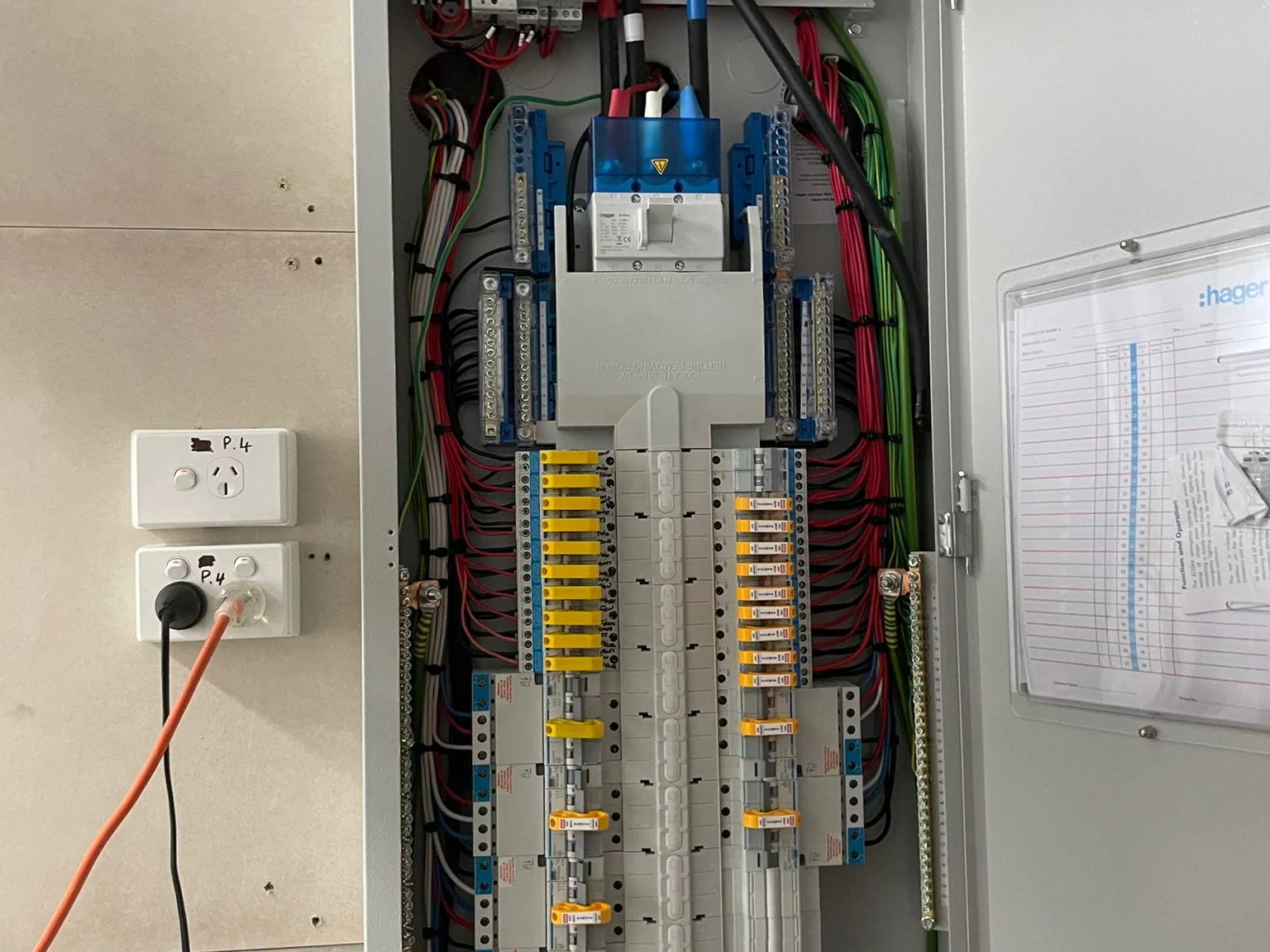
Switchboards should be inspected regularly by a licensed electrician and visually checked more frequently by building maintenance staff where appropriate. Any sign of damage, overheating, water ingress or corrosion should be treated as a warning sign.
Inspections should confirm that:
Thermal imaging is particularly useful in commercial buildings. Hot spots on busbars, terminals or breakers can indicate loose connections, overloaded circuits or failing components. Corrective work may involve tightening terminations to manufacturer torque settings, replacing damaged devices or redistributing loads across phases.
Hidden wiring faults are a common cause of intermittent tripping and ongoing electrical problems. Periodic verification testing helps confirm that circuits remain safe and suitable for use.
Testing should include:
Particular attention should be given to circuits supplying kitchens, HVAC equipment, data rooms, external lighting and plant areas. These locations often experience higher loads, harsher conditions and more frequent changes than standard office spaces.
Safety devices only provide protection when they are correctly selected, installed and tested. This includes circuit breakers, RCDs, RCBOs, surge protection devices and main isolation switches.
Residual current devices in areas such as amenities, commercial kitchens and outdoor circuits should be push-button tested regularly and instrument-tested according to regulatory requirements, manufacturer guidance and the site’s risk profile. Any device that fails to trip correctly during testing should be investigated and replaced where necessary.
Surge protection devices should also be checked, especially in buildings with sensitive electronic equipment. Many surge protection devices include status indicators that show when their protective capacity has been exhausted. Regular checks help prevent transient overvoltages from silently damaging building systems over time.
Accurate records are one of the most useful tools for preventing electrical faults in commercial buildings. When inspection results, test reports, remedial works and equipment upgrades are clearly documented, facility managers can identify patterns of failure and plan upgrades before components become unsafe or unreliable.
Good record keeping also reduces downtime. Clear maintenance histories help electricians diagnose faults faster, understand previous issues and order the correct parts before attending site. They also provide evidence of maintenance and compliance if an audit, insurance review or incident investigation occurs.
Maintenance and compliance intervals should reflect electrical regulations, manufacturer recommendations and the building’s specific risk profile. High-load or mission-critical areas such as data rooms, commercial kitchens, healthcare spaces and plant rooms often require closer monitoring than low-use office areas.
Each maintenance task should have a defined frequency, responsible person and method of verification. Once an inspection or repair is completed, results should be recorded promptly, including any defects found, action taken and deadlines for further remedial work. Outstanding items should be tracked clearly so that important safety work is not missed.
Digital maintenance systems can make electrical record keeping more reliable. A cloud-based platform or computerised maintenance management system allows asset registers, test results, photographs, certificates and invoices to be stored in one place with secure backups.
Useful features include automated reminders before inspections are due, searchable histories for each switchboard or circuit and simple reports that can be produced during audits or insurance reviews. Mobile access also allows electricians to update records on site, capturing readings, images and notes in real time rather than relying on handwritten paperwork.
Electrical reliability in commercial buildings depends on preventing faults before they disrupt operations. Regular inspections, compliant installation work, balanced load management, clear documentation and preventive maintenance all help reduce risks to people, equipment and business continuity.
As commercial buildings change over time, electrical systems need to be reviewed and maintained with those changes in mind. With support from a qualified commercial electrician in Central Coast, businesses can maintain safer, more reliable electrical infrastructure that is better prepared for changing operational demands.

